

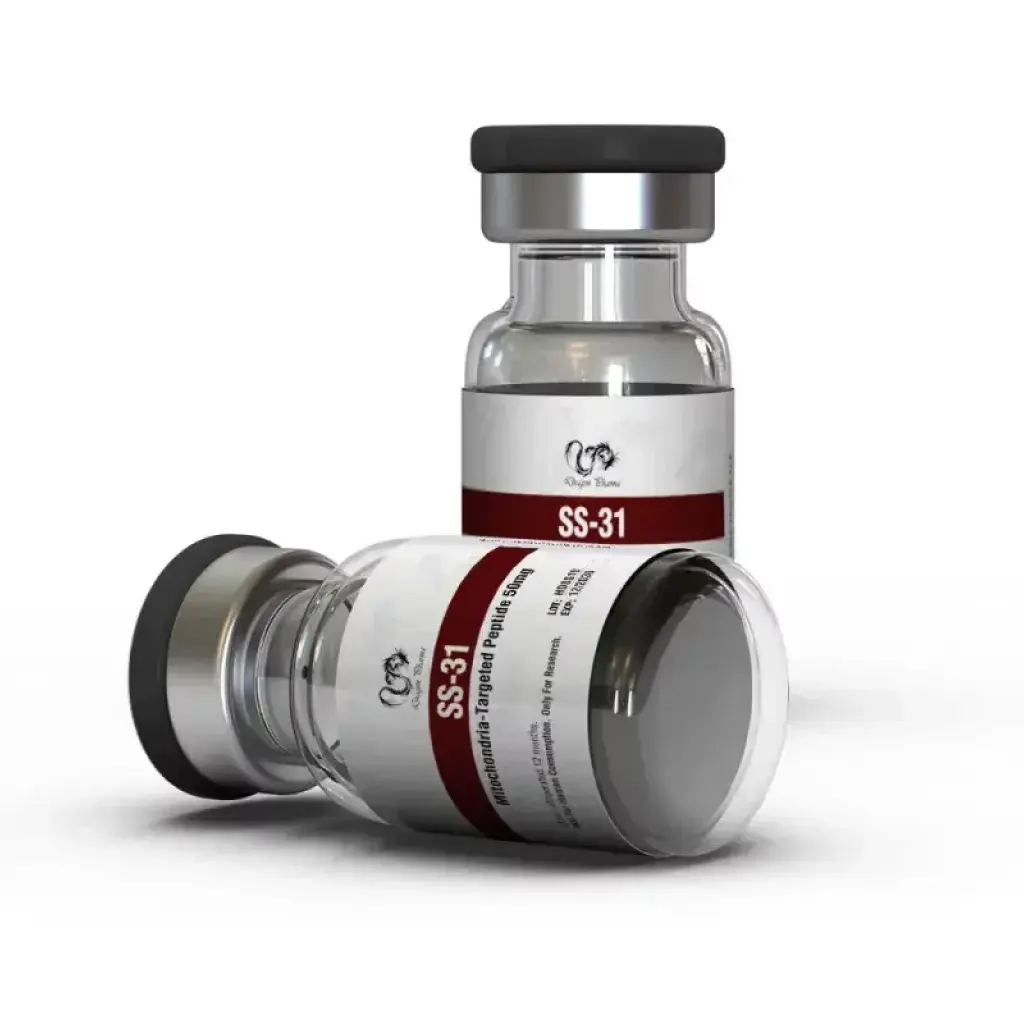
Mitochondrial-Targeted Tetrapeptide
Active Substance: SS-31 (Elamipretide)
Manufacturer: Dragon Pharma
Unit: 2 mL Vial (50 mg/vial)
Form: Lyophilized Powder
USA Domestic: 2-7 Days Delivery
International: 5-20 Days Delivery
Modern performance research increasingly focuses on mitochondrial health—the core energy systems that drive muscular output, endurance, and recovery. SS-31, also known as Elamipretide, is a mitochondria-targeted tetrapeptide developed to protect and optimize mitochondrial function at its source. Unlike conventional antioxidants, SS-31 selectively localizes to the inner mitochondrial membrane, where it binds to cardiolipin and helps stabilize the electron transport chain. This targeted mechanism has made SS-31 a valuable research compound in studies of cellular energy production, oxidative stress, and exercise-related fatigue. When you Buy SS-31 by Dragon Pharma, you are obtaining a research-grade peptide widely used in mitochondrial and performance-focused research models.
This 2 mL vial contains 50 mg of high-purity SS-31 supplied as a lyophilized powder. SS-31 is a synthetic tetrapeptide (D-Arg-2',6'-dimethyltyrosine-Lys-Phe-NH₂) specifically engineered to accumulate inside mitochondria rather than dispersing throughout the cell. Research shows SS-31 can reach mitochondrial concentrations thousands of times higher than cytoplasmic levels, allowing it to exert protective effects precisely where oxidative stress originates. The 50 mg concentration supports flexible dosing across short- and long-term research protocols.
SS-31 acts by binding to cardiolipin, a phospholipid essential for maintaining mitochondrial membrane integrity and efficient electron transport. Under stress conditions, cardiolipin oxidation disrupts ATP synthesis and increases reactive oxygen species (ROS) generation. SS-31 helps preserve cardiolipin structure, supporting mitochondrial stability and energy production. Key mechanisms include:
In athletic and bodybuilding research, SS-31 is studied for its role in supporting cellular energy efficiency during high training loads. Intensive exercise increases mitochondrial stress, which can impair recovery and performance over time. By improving mitochondrial efficiency and reducing oxidative burden, SS-31 has been investigated in models related to endurance, muscle resilience, and recovery capacity.
SS-31 has been widely explored in preclinical research due to its broad mitochondrial activity:
SS-31 dosing in research settings is extrapolated from animal and early clinical data. Typical experimental protocols range from 10–40 mg per day administered subcutaneously, with cycles lasting 4–8 weeks. Due to its cumulative mitochondrial effects, consistent daily or alternate-day administration is commonly used in endurance and recovery research models.
Female research protocols generally mirror male dosing but often begin at the lower end (5–20 mg per day) to assess tolerance. Cycles typically last 4–8 weeks depending on study design and metabolic demand.
Although SS-31 has a short plasma half-life, its mitochondrial effects persist due to cardiolipin binding and improved mitochondrial turnover. Research supports regular dosing schedules rather than continuous infusion to maintain mitochondrial benefits.
SS-31 has demonstrated a favorable safety profile in clinical and preclinical research. Mild injection-site irritation is the most commonly reported effect. At higher experimental doses, transient flushing or gastrointestinal discomfort has been observed. Its targeted mitochondrial mechanism limits systemic side effects.
Caution is advised in research involving mitochondrial disorders or cancer models due to SS-31's role in cellular survival pathways. This compound is intended for laboratory research only and is not approved for human consumption. Proper handling procedures are required.
Excessive dosing may increase transient adverse effects. No specific antidote exists; supportive monitoring is recommended if unexpected reactions occur.
SS-31 is frequently combined with compounds targeting complementary metabolic pathways. Common research stacks include pairing SS-31 with NAD+ to support mitochondrial substrate availability, MOTS-c for mitochondrial signaling research, or AICAR for AMPK-mediated energy regulation. Typical research cycles last 4–8 weeks.
SS-31 50 mg is supplied in a sterile, sealed 2 mL glass vial containing a white to off-white lyophilized powder. Each vial is labeled with batch number and expiration date to ensure authenticity and quality control.
Store unreconstituted vials in a cool, dry environment. Refrigeration (2–8°C) is recommended for extended storage. After reconstitution, store refrigerated and use within 28 days.
Scientific literature continues to highlight SS-31's role in mitochondrial protection. A 2025 study published in the Journal of Vascular Research demonstrated improved mitochondrial localization, reduced oxidative damage, and enhanced cellular survival in oxidative stress models. Read the study on PubMed.
SS-31 (Elamipretide) is a mitochondria-targeted peptide used in research to study mitochondrial function, cellular energy (ATP) production, and oxidative stress. It is commonly investigated in models of exercise fatigue, muscle recovery, aging, and mitochondrial-related tissue stress.
SS-31 is not a direct weight loss compound. Research focuses on mitochondrial efficiency and exercise tolerance, which may be relevant to metabolic and body composition studies, but SS-31 is primarily studied for mitochondrial protection and recovery pathways.
SS-31 is sold as a research compound intended for laboratory use. It is not FDA-approved for human consumption and should only be handled and used in accordance with applicable laws and research protocols in your jurisdiction.
In kidney research models, SS-31 has been investigated for reducing mitochondrial oxidative stress and supporting cellular protection during acute kidney injury (AKI). Studies often evaluate its impact on ROS-related pathways, inflammation signaling, and cell survival under renal stress.
SS-31 selectively localizes to the inner mitochondrial membrane and binds cardiolipin. This helps stabilize electron transport, reduce excess reactive oxygen species (ROS), and support efficient ATP production, improving mitochondrial resilience under stress.
Please log in to write SS-31 50 mg review.
Growth Hormone-Releasing Hormone
Active Substance: Sermorelin
Manufacturer: Dragon Pharma
Unit: 2 mL Vial (5 mg/vial)
Mitochondrial-Derived Peptide
Active Substance: MOTS-C
Manufacturer: Dragon Pharma
Unit: 2 mL Vial (10 mg/vial)
Mitochondrial Energizer/Sirtuin Activator
Active Substance: Nicotinamide Adenine Dinucleotide
Manufacturer: Dragon Pharma
Unit: 2 mL Vial (500 mg/vial)
Form: Lyophilized Powder
USA Domestic: 2-7 Days Delivery
International: 5-20 Days Delivery
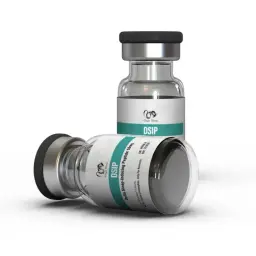
Neuroregulatory Peptide
Active Substance: Delta Sleep-Inducing Peptide (DSIP)
Manufacturer: Dragon Pharma
Unit: 2 mL Vial (10 mg/vial)
Form: Lyophilized Powder
🇺🇸 USA Domestic: 2–7 Days Delivery
🌏 International: 5–20 Days Delivery