

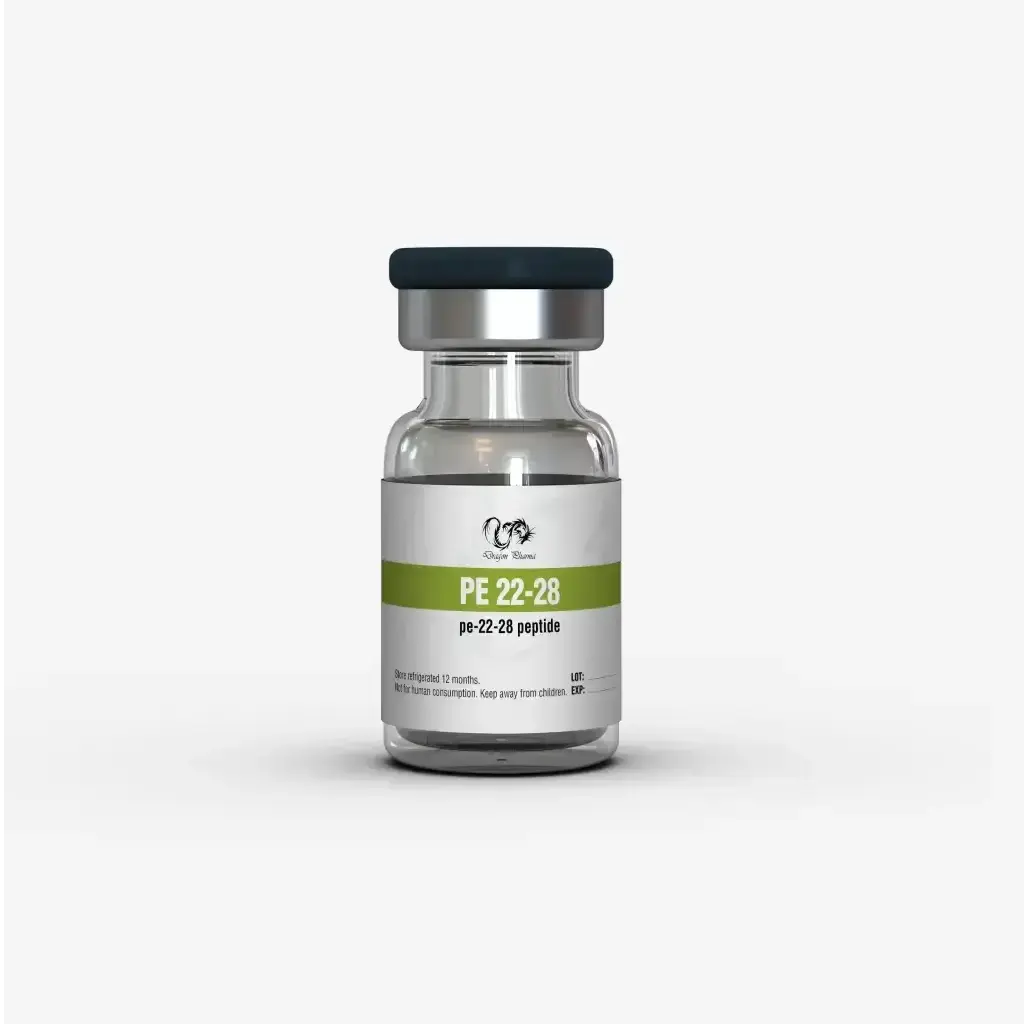
Cellular Survival Peptide
Active Substance: PE 22-28
Manufacturer: Dragon Pharma
Unit: 2 mL Vial (10 mg/vial)
Form: Lyophilized Powder
🇺🇸 USA Domestic: 2–7 Days Delivery
🌏 International: 5–20 Days Delivery
PE 22-28 represents a groundbreaking synthetic peptide fragment derived from the active site of the Survival Motor Neuron (SMN) protein, specifically engineered to promote cellular survival, tissue repair, and metabolic optimization. This 10 mg lyophilized formulation from Dragon Pharma offers researchers a sophisticated tool for investigating accelerated wound healing, enhanced muscle recovery, and improved metabolic function. Originally developed as a research compound targeting muscular atrophy and neurodegenerative conditions, PE 22-28 has demonstrated remarkable potential in preclinical models for reducing inflammation, promoting angiogenesis, and stimulating satellite cell activation. For athletes and bodybuilders engaged in research, this peptide provides a novel approach to overcoming training plateaus, accelerating recovery from intense workouts, and potentially enhancing the muscle-building response to resistance training through improved cellular resilience and nutrient utilization.
Each 2 mL vial contains 10 mg of ultrapure PE 22-28 peptide in lyophilized powder form. The compound is a synthetic 7-amino acid fragment (H2N-REKMSRK-COOH) corresponding to residues 22-28 of the SMN protein's exon 7 region, specifically engineered with enhanced stability and bioavailability. Dragon Pharma's manufacturing process ensures >98% purity through reverse-phase HPLC analysis, with comprehensive testing for endotoxins, sterility, and heavy metal contaminants. The lyophilization process maintains optimal peptide structure and stability, allowing researchers to reconstitute with precise volumes of bacteriostatic water or sterile saline for accurate dosing in experimental protocols focusing on tissue repair and metabolic enhancement.
For strength athletes and physique competitors, PE 22-28 offers compelling research potential across multiple facets of performance optimization. Its primary mechanism involves enhancing cellular survival pathways and reducing apoptosis in stressed tissues, which may translate to faster recovery between training sessions and reduced muscle damage from eccentric exercise. Preliminary research suggests the peptide may upregulate IGF-1 expression locally in muscle tissue, potentially creating a more anabolic environment without systemic hormone elevation. Additionally, its effects on angiogenesis could improve nutrient delivery to working muscles, while its anti-inflammatory properties may help manage training-induced joint stress. For bodybuilders investigating cutting-edge recovery protocols, PE 22-28 represents a promising compound for studying how cellular resilience mechanisms can be leveraged to support more frequent, intense training while minimizing overtraining risks and accelerating progress toward peak physical condition.
In preclinical research, PE 22-28 has shown significant promise for conditions involving tissue degeneration, impaired healing, and metabolic dysfunction. Studies published in authoritative sources like Scientific Reports have documented its efficacy in models of muscular dystrophy, spinal muscular atrophy, and diabetic wound healing. The peptide's ability to enhance SMN protein function—critical for motor neuron survival—makes it particularly relevant for neurodegenerative research. Beyond neurological applications, investigations into its effects on metabolic syndrome, insulin resistance, and age-related tissue degeneration are ongoing, with early results suggesting multifaceted therapeutic potential. These diverse applications make PE 22-28 a valuable compound for studying fundamental cellular repair mechanisms across multiple research domains.
Research protocols for PE 22-28 typically utilize doses ranging from 100-500 mcg per day, administered subcutaneously. Many studies employ a divided dosing strategy (twice daily) to maintain stable peptide concentrations, given its relatively short active life. For research involving athletic recovery or performance models, protocols often begin at 200 mcg daily, increasing gradually to 400-500 mcg based on observed responses and tolerance. Dragon Pharma recommends consulting current scientific literature and designing protocols that include appropriate washout periods and comprehensive monitoring of relevant biomarkers, including inflammatory markers, metabolic parameters, and tissue repair indicators specific to the research objectives.
Female research subjects generally follow similar weight-adjusted protocols, with typical research doses ranging from 100-400 mcg daily. Some studies suggest starting at the lower end of this range (100-200 mcg daily) and titrating upward based on individual response markers. Researchers should consider potential hormonal influences on peptide metabolism and response, particularly when designing studies involving female athletes or subjects with varying endocrine status. As with all research compounds, baseline measurements and regular monitoring of relevant parameters are essential components of responsible investigation with female subjects.
PE 22-28 exhibits a relatively short plasma half-life of approximately 2-4 hours in research models, necessitating multiple daily administrations or sustained-release delivery systems to maintain therapeutic concentrations. Despite its brief circulation time, downstream biological effects on cellular survival pathways, gene expression, and protein synthesis may persist for 12-24 hours following administration. This discrepancy between pharmacokinetics and pharmacodynamics is an important consideration for research design, particularly when investigating cumulative effects over time. The peptide's rapid clearance also minimizes accumulation risks but requires careful timing of administration relative to research interventions or measurements.
In preclinical research, PE 22-28 has demonstrated an excellent safety profile with minimal reported adverse effects at therapeutic doses. Some studies note mild, transient injection site reactions (redness, itching) in a small percentage of subjects with subcutaneous administration. Unlike compounds with systemic hormonal effects, PE 22-28 appears to work through localized tissue mechanisms with limited off-target actions. However, theoretical concerns include potential overstimulation of growth pathways in pre-existing malignancies or inappropriate angiogenesis in certain pathological conditions. As with any research compound, comprehensive safety data in human subjects remains limited, necessitating cautious investigation with appropriate monitoring protocols and ethical oversight.
Research should be approached cautiously in models involving active malignancies or proliferative disorders, given the peptide's effects on cellular survival and growth pathways. Caution is warranted in studies with subjects having history of keloid formation or abnormal scarring tendencies. PE 22-28 should not be combined with other potent growth-promoting agents without careful experimental design and monitoring for synergistic effects. Researchers should verify sterility during reconstitution and use promptly or refrigerate according to storage guidelines. Dragon Pharma products are for laboratory research only and not for human consumption, veterinary use, or diagnostic applications.
Limited data exists regarding PE 22-28 overdose scenarios in research models. In excessive doses, researchers might observe enhanced local tissue reactions or potential systemic effects related to growth pathway overactivation. Theoretical concerns include inappropriate angiogenesis or altered cellular differentiation in sensitive tissues. Standard emergency protocols should be established for all research involving bioactive compounds, including clear procedures for managing unexpected adverse events. Researchers should maintain detailed records of dosing, administration times, subject responses, and any protocol deviations throughout experimental procedures to facilitate safety assessment and data interpretation.
PE 22-28 is frequently incorporated into research stacks focusing on comprehensive tissue repair, recovery optimization, and performance enhancement. Promising combinations for investigation include:
Research cycles typically span 6-12 weeks to evaluate both acute and chronic effects, with regular assessment of tissue-specific markers, functional outcomes, and safety parameters throughout the investigation period.
Each order includes one sterile 2 mL glass vial containing 10 mg of lyophilized PE 22-28 powder under vacuum seal. The vial is capped with a bromobutyl rubber stopper specifically selected for peptide compatibility and sealed with an aluminum flip-off cap to ensure contamination-free access. Vials are packaged individually in protective blister packs with desiccant to maintain stability during shipping and storage. Each package includes a unique lot number, manufacturing date, and expiration date for complete traceability and quality assurance in research settings.
Unreconstituted vials should be stored at 2-8°C (36-46°F) protected from light and moisture. Under these refrigerated conditions, the lyophilized powder maintains optimal stability for 24 months from the manufacturing date. Once reconstituted with bacteriostatic water, the solution should be refrigerated immediately and used within 21 days to ensure potency and sterility. Researchers should avoid freezing reconstituted solutions as crystal formation may affect peptide structure and activity, and should never use solutions that appear cloudy, discolored, or contain particulate matter.
The scientific foundation for PE 22-28 research originates from studies on the Survival Motor Neuron protein and its role in cellular maintenance. Research published in PLOS ONE has documented the peptide's effects on muscle fiber survival and motor function in disease models. Additional references include studies on peptide-mediated neuroprotection, angiogenesis modulation, and metabolic enhancement, providing context for designing rigorous research protocols. These authoritative sources offer essential background on mechanism of action, potential applications, and safety considerations for researchers investigating this promising tissue-repair peptide.
PE 22-28 functions through multiple interconnected pathways centered on enhancing cellular survival and function. Primarily, it mimics the active region of the SMN protein, which plays crucial roles in spliceosome assembly, RNA metabolism, and cellular stress response. The peptide appears to enhance these functions, particularly under conditions of cellular stress or damage. Secondary mechanisms include modulation of apoptotic pathways (reducing programmed cell death in stressed tissues), stimulation of growth factor expression (particularly IGF-1 in muscle tissue), and enhancement of mitochondrial function. This multi-target approach to cellular resilience makes PE 22-28 particularly interesting for research on tissue repair, metabolic optimization, and performance enhancement under challenging physiological conditions.
When designing PE 22-28 studies, researchers should consider several protocol-specific factors. The peptide's short half-life suggests divided daily dosing may be optimal for maintaining stable effects. Research endpoints should include both functional measures (strength, endurance, recovery metrics) and molecular biomarkers (inflammatory markers, growth factors, tissue repair indicators). Given the peptide's localized tissue effects, delivery method (subcutaneous near target tissue vs. systemic) may influence outcomes significantly. Additionally, research duration should account for both acute effects (days to weeks) and potential longer-term adaptations (weeks to months) in tissue resilience and repair capacity. These considerations should inform experimental design to maximize research value and contribute meaningfully to scientific understanding of tissue optimization strategies.
PE 22-28 is primarily investigated for its tissue repair and cellular survival enhancement properties. Research focuses on its ability to mimic SMN protein function, potentially benefiting studies on muscle recovery, wound healing, neuroprotection, and metabolic optimization. Its mechanisms include reducing apoptosis in stressed tissues, promoting angiogenesis, and stimulating local growth factor expression, making it relevant for diverse tissue-repair research applications.
Dragon Pharma subjects every batch to rigorous quality control including HPLC analysis verifying >98% purity, mass spectrometry for sequence confirmation, bacterial endotoxin testing, sterility validation, and heavy metal screening. Manufacturing occurs in ISO-certified facilities following GMP guidelines with complete batch documentation. Each vial features tamper-evident packaging with lot-number tracking for full traceability in research settings.
While BPC-157 primarily targets angiogenesis and ulcer healing, and TB-500 focuses on cell migration and actin regulation, PE 22-28 operates through SMN protein mimicry to enhance cellular survival and RNA metabolism. This unique mechanism may offer complementary benefits when stacked with other peptides, particularly for research on neurological tissue, muscle satellite cells, and systemic cellular resilience under stress conditions.
Reconstitute with 1-2 mL of bacteriostatic water, gently swirl until clear, and refrigerate immediately. Research doses typically range from 100-500 mcg daily, often divided into twice-daily administrations due to the peptide's short half-life. Protocols usually begin at lower doses (100-200 mcg daily) for 1-2 weeks before potential titration based on research objectives and observed responses in experimental models.
Yes, given its origin from the SMN protein crucial for motor neuron survival, PE 22-28 has significant research potential for neurological applications. Preclinical studies have investigated its effects on neurodegenerative models, nerve regeneration, and cognitive function. The peptide's ability to enhance cellular survival pathways in neural tissue makes it relevant for research on neuroprotection, cognitive enhancement, and recovery from neurological stress or injury.
Please log in to write PE 22-28 10 mg review.
Oral Anabolic Steroid
Active substance: Oxymetholone
Manufacturer: Kalpa Pharmaceuticals
Unit: 50 pills (50 mg/pill)
Oral Anabolic Steroid
Active substance: Methandrostenolone
Manufacturer: Kalpa Pharmaceuticals
Unit: 100 pills (10 mg/pill)
Oral Anabolic Steroid
Active substance: Chlorodehydromethyltestosterone
Manufacturer: Kalpa Pharmaceuticals
Unit: 100 pills (10 mg/pill)
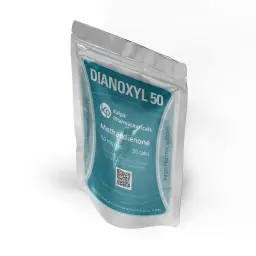
Oral Anabolic Steroid
Active substance: Methandienone
Manufacturer: Kalpa Pharmaceuticals
Unit: 20 pills (50 mg/pill)
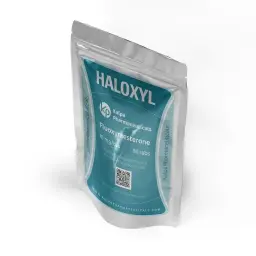
Oral Anabolic Steroid
Active substance: Fluoxymesterone
Manufacturer: Kalpa Pharmaceuticals
Unit: 50 pills (10 mg/pill)
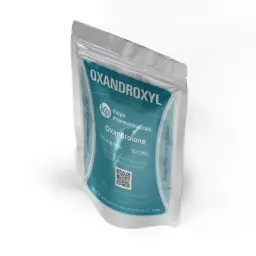
Oral Anabolic Steroid
Active substance: Oxandrolone
Manufacturer: Kalpa Pharmaceuticals
Unit: 50 pills (10 mg/pill)
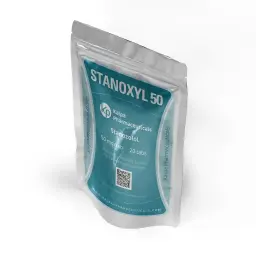
Oral Anabolic Steroid
Active substance: Stanozolol
Manufacturer: Kalpa Pharmaceuticals
Unit: 20 pills (50 mg/pill)
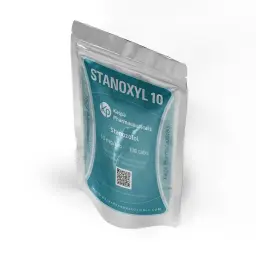
Oral Anabolic Steroid
Active substance: Stanozolol
Manufacturer: Kalpa Pharmaceuticals
Unit: 100 pills (10 mg/pill)