Research Peptide/Healing Peptide
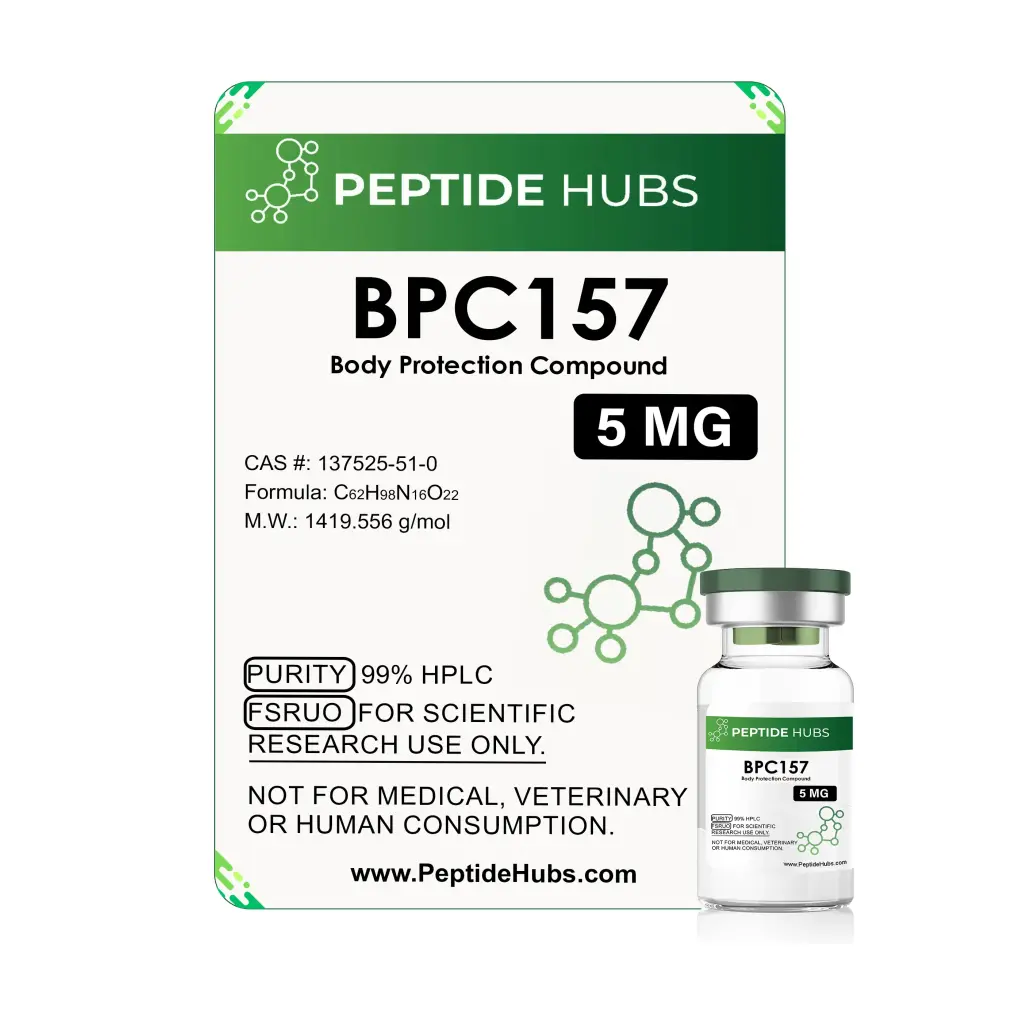
Active Substance: Pentadecapeptide
Manufacturer: Peptide Hubs
Unit: 2 mL Vial (5 mg/vial)
Form: Lyophilized Powder
Laboratory Tested: View Lab Result
USA Domestic: 2-7 Days Delivery
International: 5-20 Days Delivery
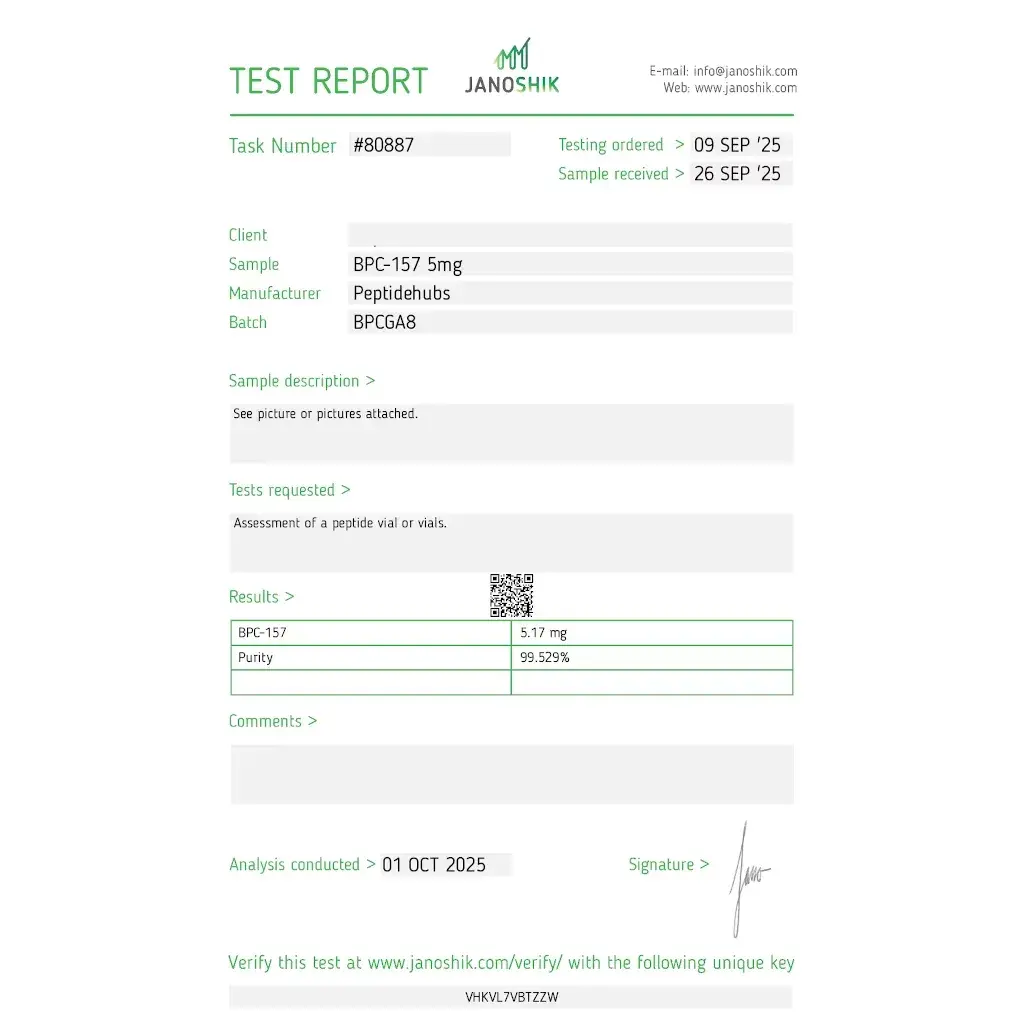
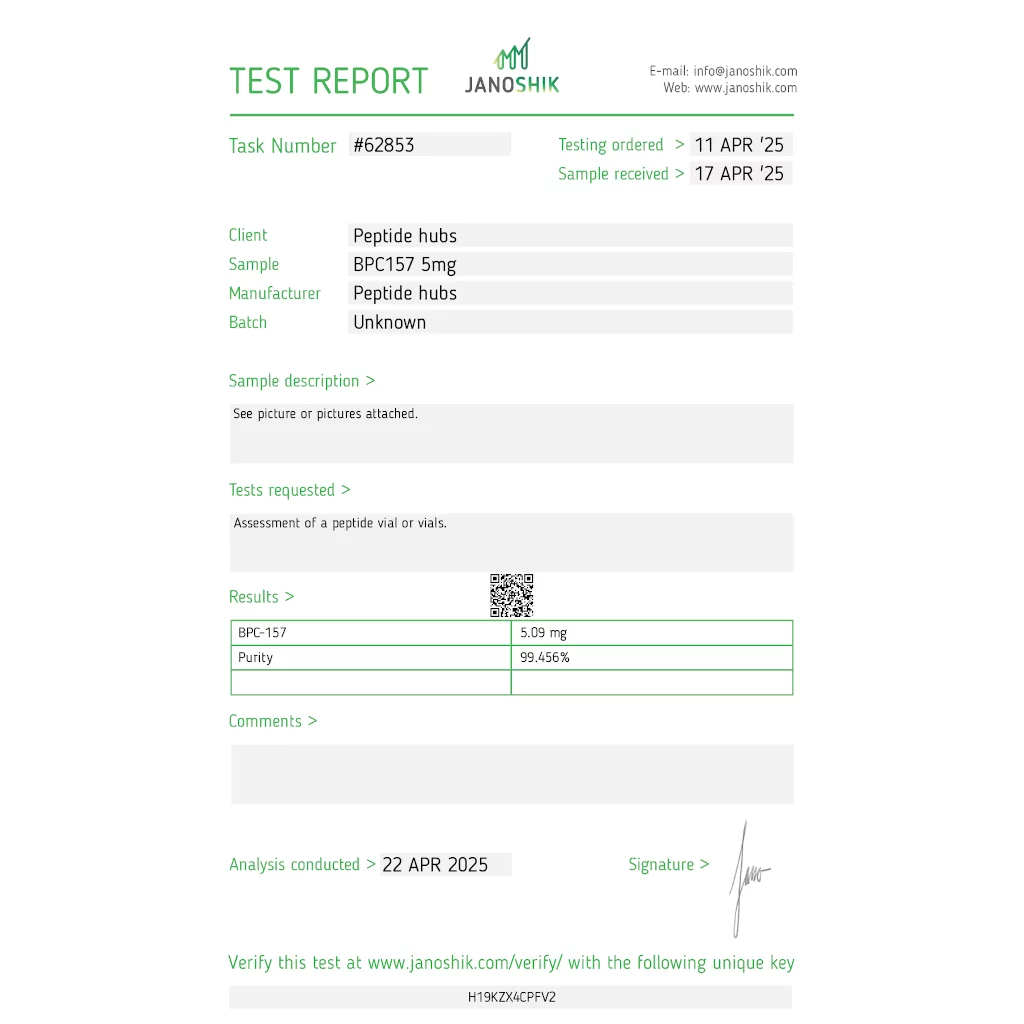
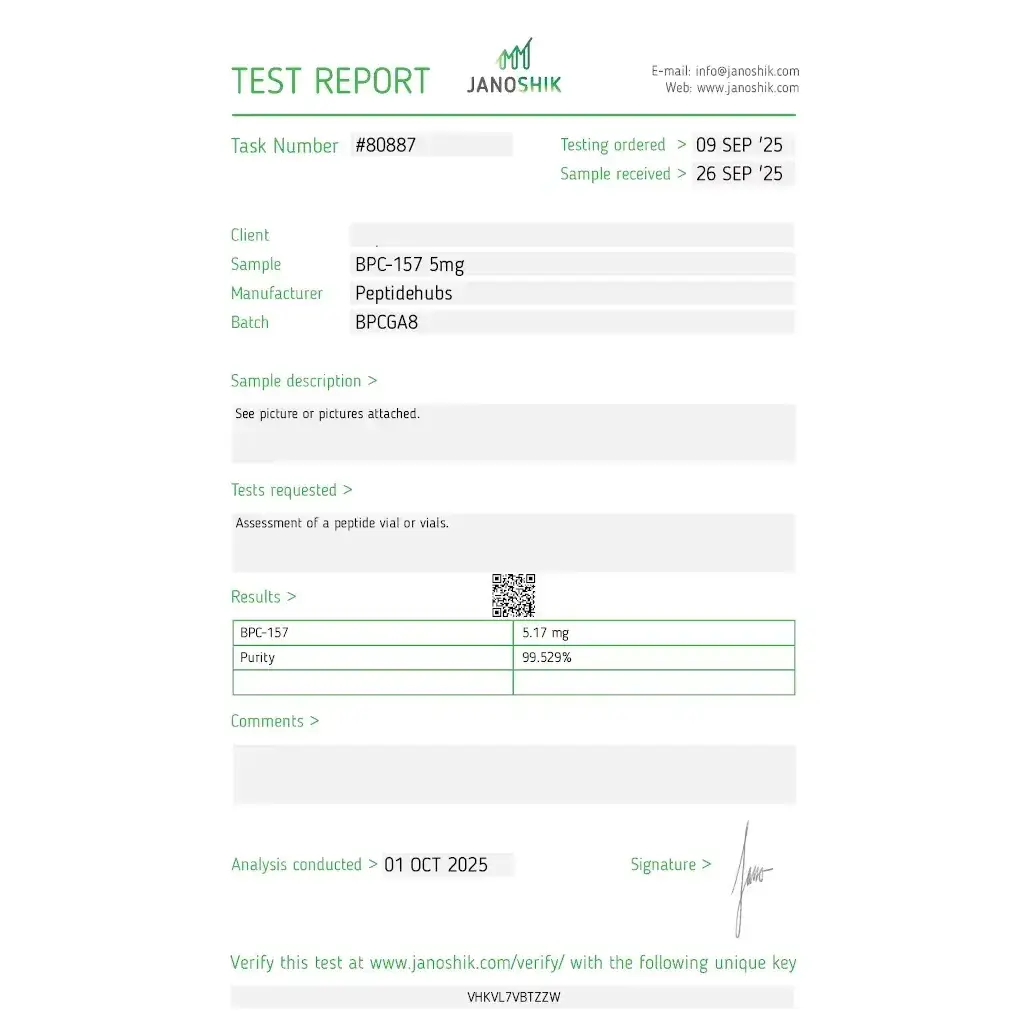
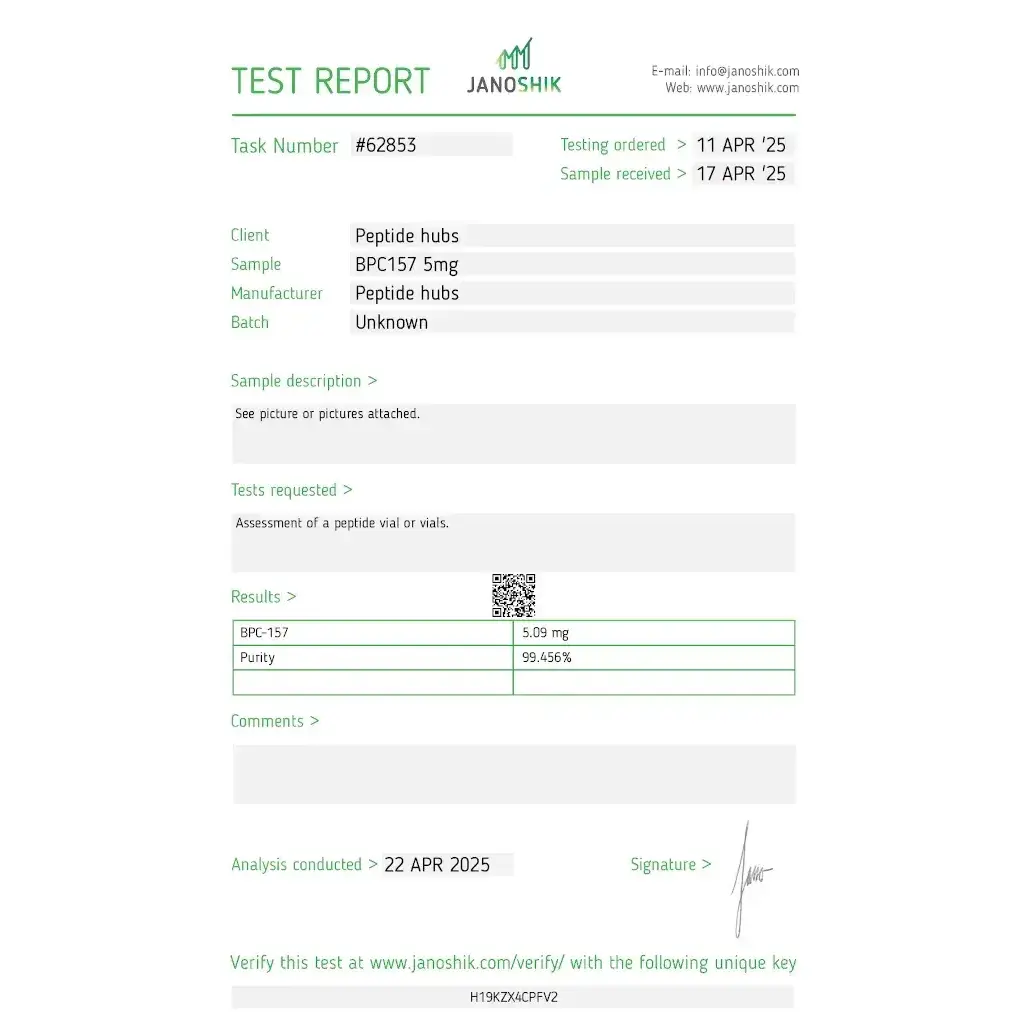
BPC 157 (Body Protection Compound-157) is a groundbreaking 15-amino acid synthetic peptide presented as a 5 mg lyophilized powder. This stable gastric pentadecapeptide has garnered significant research interest for its extraordinary systemic healing properties. With third-party lab tests confirming exceptional purity at 5.17 mg and 5.09 mg per vial, researchers receive a reliably potent compound. For athletes, bodybuilders, and fitness enthusiasts engaged in tissue repair studies, BPC 157 offers a unique research avenue for accelerating recovery from muscle tears, tendon injuries, ligament damage, and promoting gastrointestinal health without the complications of traditional anti-inflammatories.
Each sterile 2 mL vial contains 5 mg of the synthetic peptide BPC 157, composed of the sequence Gly-Glu-Pro-Pro-Pro-Gly-Lys-Pro-Ala-Asp-Asp-Ala-Gly-Leu-Val. This pentadecapeptide is derived from a protective protein found in human gastric juice. The product is supplied as a pure, white lyophilized powder without fillers, requiring reconstitution with bacteriostatic water before research use. This formulation ensures maximum stability and bioavailability for investigative purposes.
In research models, BPC 157 demonstrates remarkable potential for the athletic community. Its primary investigational benefits include accelerated healing of musculoskeletal injuries—particularly tendons, ligaments, and muscle tissue—which are common in intense training. Researchers study its ability to promote angiogenesis (new blood vessel formation), enhancing blood flow to injured areas. It also appears to upregulate growth hormone receptors and modulate inflammatory responses, potentially leading to faster return to training. Unlike NSAIDs that may inhibit healing, BPC 157 is researched for its pro-healing effects, making it valuable for overcoming training plateaus caused by persistent injuries.
While a research chemical, BPC 157 has been extensively studied for various healing applications. Research spans tendon-to-bone healing, digestive ulcer protection, inflammatory bowel disease models, and even organ protection. Its mechanism involves promoting endothelial cell growth and migration while modulating the nitric oxide system. According to research published in the World Journal of Gastroenterology, BPC 157 demonstrates significant protective effects on the gastrointestinal tract.
BPC 157 works through multiple pathways that collectively promote healing. It stimulates the formation of granulation tissue (new connective tissue and blood vessels), increases collagen deposition, and enhances fibroblast migration to injury sites. Crucially, it upregulates the expression of early growth response protein 1 (EGR1), which is essential for tissue repair. It also appears to counteract the negative effects of corticosteroid administration on healing, making it a subject of particular interest in recovery research.
Research protocols for BPC 157 typically use microgram-level dosing. Common investigative doses range from 200 mcg to 500 mcg daily, often divided into twice-daily subcutaneous injections (e.g., 250 mcg twice daily). For localized injuries, some research designs explore perilesional (near the injury) administration. Cycles generally last 4-8 weeks or until the research endpoint of healing is achieved. Given its excellent safety profile in studies, researchers often use it continuously during injury recovery phases.
Research dosing for female subjects follows similar protocols, typically starting at 200-250 mcg daily. There's no evidence suggesting gender-specific dose adjustments are necessary for its healing mechanisms. As with all research, careful observation and documentation of responses are paramount. The peptide's localized and systemic effects appear consistent across research models regardless of sex.
BPC 157 has a relatively short plasma half-life but induces long-lasting biological effects. While exact human pharmacokinetics are not fully documented in research, its therapeutic benefits persist for hours after administration. Its ability to trigger cascading healing responses means that even with rapid clearance, the initiated repair processes continue. This allows for flexible research dosing schedules, typically once or twice daily.
Research to date has shown an exceptionally favorable safety profile. No significant adverse effects have been reported in studies at research doses. Some subjects in trials reported mild, transient effects like lightheadedness shortly after injection, which typically resolves quickly. Notably, it does not exhibit hormonal, psychotropic, or addictive properties in research models. Its excellent tolerance makes it a preferred subject in healing and recovery research.
There are no known specific contraindications in research settings, given its endogenous origin and safety profile. However, standard research precautions apply: it should not be used in studies involving subjects with known peptide allergies. Research involving pregnant subjects or those with serious, uncontrolled medical conditions should be approached with extreme caution. BPC 157 is for laboratory research only and not for human consumption.
Animal studies using doses hundreds of times higher than the effective research range have shown no lethal effects or significant toxicity. While this suggests a very high safety margin, responsible research always adheres to established microgram dosing protocols. Excessive doses are not justified in research design and could theoretically lead to increased local irritation.
BPC 157 is highly stackable in research due to its complementary healing mechanisms. It's commonly researched alongside other peptides for synergistic recovery effects:
These combinations are for advanced research into accelerated recovery protocols only.
The product is supplied as one sterile glass vial containing 5 mg of BPC 157 as a white lyophilized powder. The vial is sealed with a rubber stopper and flip-off cap to maintain sterility until reconstitution. Packaging is discreet and secure.
For long-term stability of the lyophilized powder, store at or below -20°C (-4°F). For short-term use, refrigeration at 2-8°C (36-46°F) is acceptable. Once reconstituted with bacteriostatic water, the solution must be refrigerated and used within the timeframe specified by sterile research guidelines, typically within 7-10 days, to ensure peptide integrity.
The scientific literature on BPC 157 is extensive. Key references include studies on its angiogenic properties, tendon healing efficacy, and gastrointestinal protective effects published in reputable journals. Researchers should consult these primary sources, including the NIH PubMed database, to design methodologically sound studies that build upon existing preclinical evidence.
BPC 157 is a synthetic pentadecapeptide (15-amino acid chain) derived from a protein in human gastric juice. In research, it's primarily investigated for its remarkable systemic healing properties. Studies focus on its potential to accelerate the repair of tendons, ligaments, muscles, bones, and the gastrointestinal tract. It promotes angiogenesis (new blood vessel growth), collagen deposition, and cell survival, making it a valuable compound for recovery and tissue repair research models.
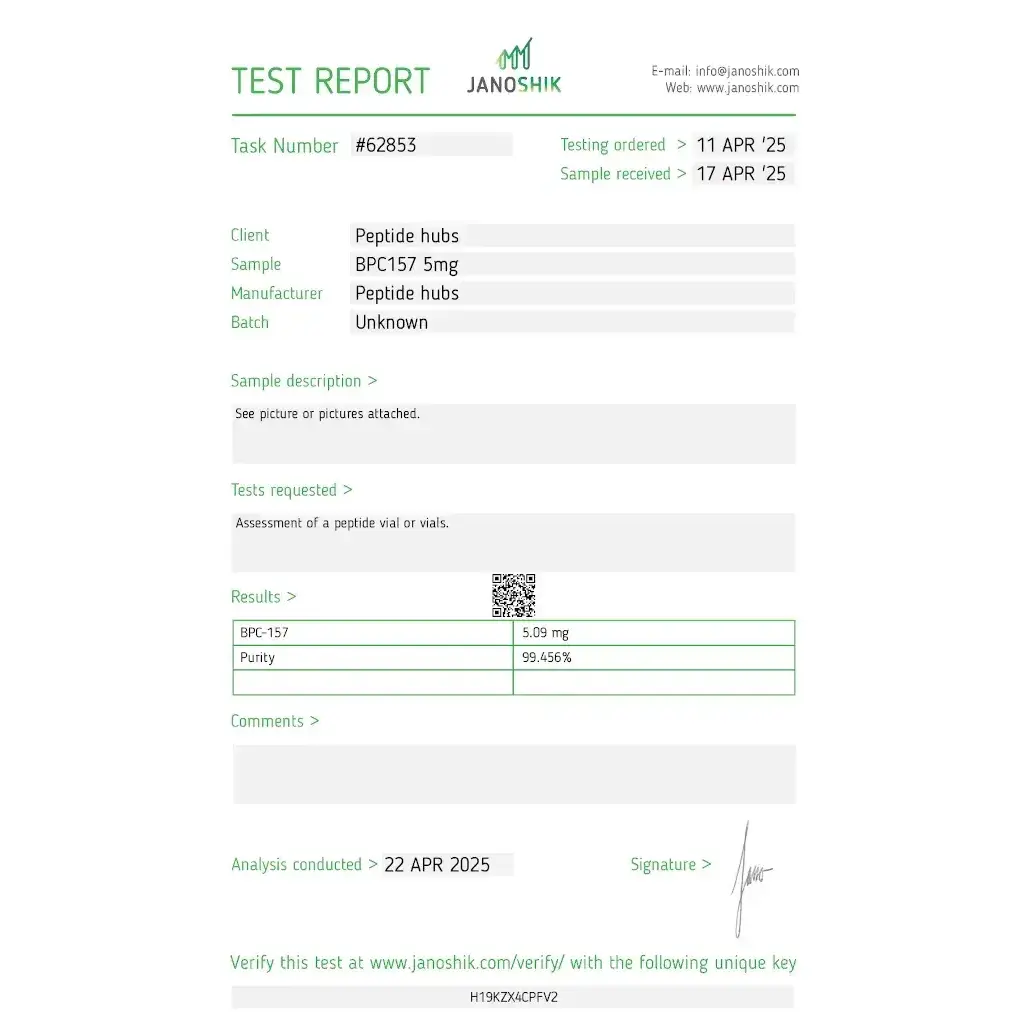
Absolutely. Peptide Hubs BPC 157 is rigorously third-party lab tested to verify purity and accurate dosing. Two independent lab reports (from April and October 2025) confirm contents of 5.09 mg and 5.17 mg per 5 mg vial, demonstrating consistent over-fill and high purity. This transparency and commitment to verification make Peptide Hubs a legit and trusted source for research peptides.
For athletic research, BPC 157 is studied for its potential to drastically reduce recovery time from common sports injuries like tendonitis, muscle tears, and ligament sprains. It may help heal nagging injuries that prevent peak performance, allowing for more consistent, intense training. Research also explores its protective effects on the gut lining, which can be beneficial for athletes under physical stress or using compounds that may irritate the GI tract.
Common research protocols use doses between 200-500 mcg per day, often split into two subcutaneous injections (e.g., 250 mcg twice daily). For localized injury research, perilesional administration near the injury site is sometimes explored. Research cycles typically last 4-8 weeks, coinciding with the natural healing timeline of soft tissue injuries. The exact dosage is determined by the specific aims and design of the research project.
Yes, a significant area of research involves the oral administration of BPC 157 for studying gastrointestinal health. Being derived from a gastric juice protein, it appears stable in stomach acid and may exert protective effects on the gut lining when administered orally in research models. Studies investigate its potential for conditions like leaky gut syndrome and ulcer prevention. However, subcutaneous injection remains the standard for systemic and musculoskeletal research due to potentially higher bioavailability.
Please log in to write BPC 157 5 mg review.
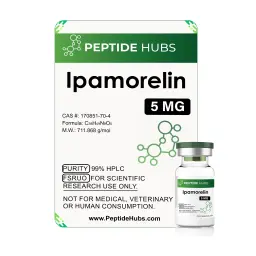
Selective Growth Hormone Releasing Peptide
Active Substance: Ipamorelin
Manufacturer: Peptide Hubs
Unit: 2 mL Vial (5 mg/vial)
Form: Lyophilized Powder
Laboratory Tested: View Lab Result
USA Domestic: 2-7 Days Delivery
International: 5-20 Days Delivery
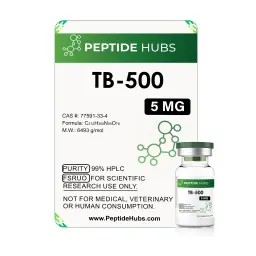
Reparative & Regenerative Peptide
Active Substance: Thymosin Beta 4
Brand: Peptide Hubs
Unit: 2 mL Vial (5 mg/vial)
Form: Lyophilized Powder
Laboratory Tested: View Lab Result
USA Domestic: 2-7 Days Delivery
International: 5-20 Days Delivery
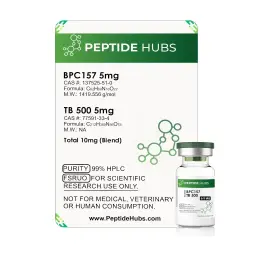
Synergistic Healing Peptide Blend
Active Substances:
- TB-500 (5 mg)
- BPC-157 (5 mg)
Brand: Peptide Hubs
Unit: 2 mL Vial (10 mg total/vial)
Form: Lyophilized Powder
Laboratory Tested: View Lab Result
USA Domestic: 2-7 Days Delivery
International: 5-20 Days Delivery
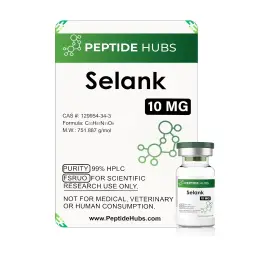
Nootropic/Anxiolytic Peptide
Active Substance: Selank
Brand: Peptide Hubs
Unit: 2 mL Vial (10 mg/vial)
Form: Lyophilized Powder
Laboratory Tested: View Lab Result
USA Domestic: 2-7 Days Delivery
International: 5-20 Days Delivery
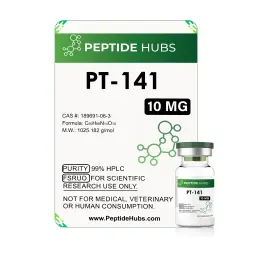
Synthetic Peptide
Active Substance: Bremelanotide
Brand: Peptide Hubs
Unit: 2 mL Vial (10 mg/vial)
Form: Lyophilized Powder
Laboratory Tested: View Lab Result
USA Domestic: 2-7 Days Delivery
International: 5-20 Days Delivery