

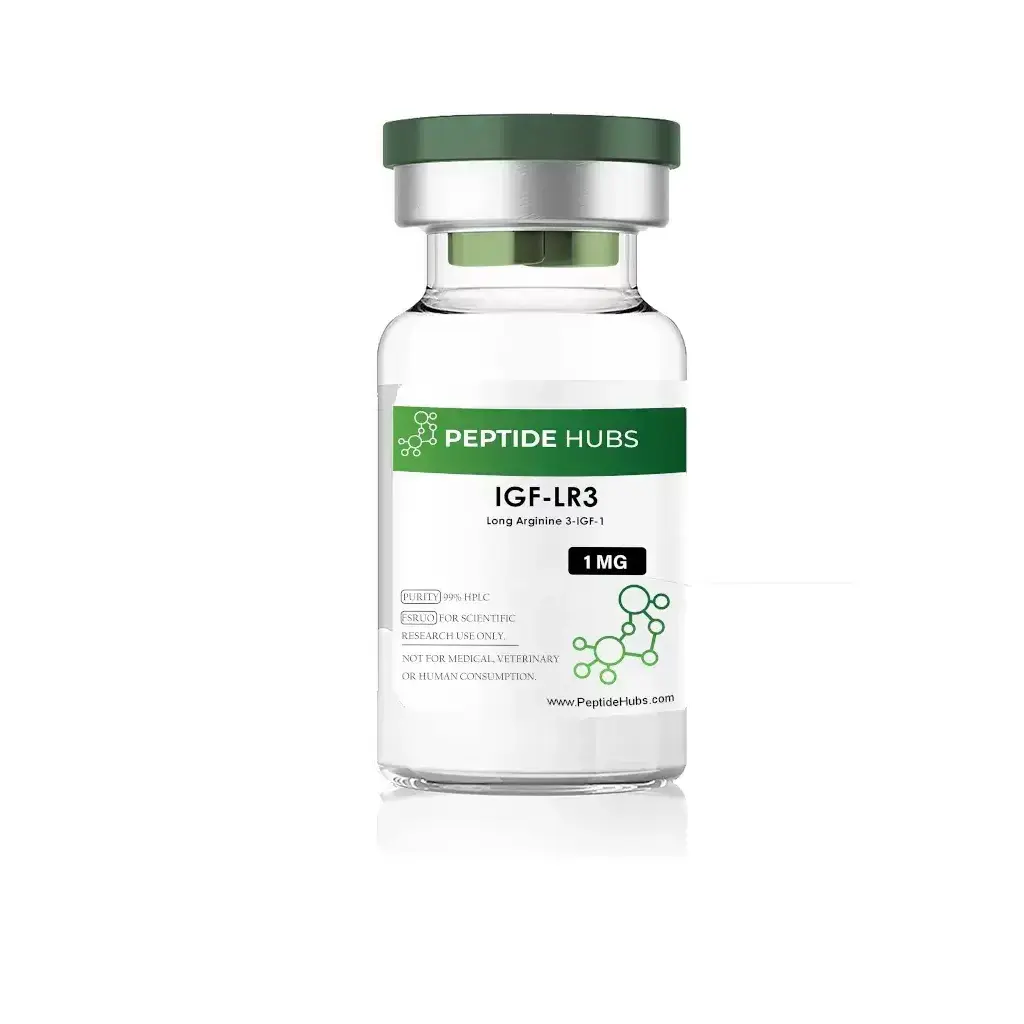
Growth Factor/Anabolic Peptide
Active Substance: Long R3 Insulin-like Growth Factor-1
Manufacturer: Peptide Hubs
Unit: 2 mL Vial (1 mg/vial)
Form: Lyophilized Powder
USA Domestic: 2-7 Days Delivery
International: 5-20 Days Delivery
Peptide Hubs presents IGF-1 LR3 (Long R3 Insulin-like Growth Factor-1), a 1 mg lyophilized powder of one of the most potent and extensively researched anabolic growth factors. This engineered analog of natural IGF-1 features an arginine substitution at position 3 and a 13-amino acid extension peptide at the N-terminus, which dramatically reduces its binding to inhibitory IGF Binding Proteins (IGFBPs) and extends its half-life from minutes to hours. For bodybuilders, athletes, and researchers focused on the frontiers of muscle hypertrophy and tissue repair, IGF-1 LR3 offers a direct, powerful tool for investigating localized and systemic anabolic signaling. Unlike secretagogues that stimulate the body's own GH/IGF-1 production, IGF-1 LR3 provides the active end-product itself, allowing research into the direct effects of this master regulator of cell growth, proliferation, and differentiation on skeletal muscle, connective tissue, and recovery processes.
Each sterile 2 mL vial contains 1 mg (1000 mcg) of synthetic IGF-1 LR3. The molecule is a modified version of the 70-amino acid human IGF-1 peptide, with the sequence: MFPAMPLSSL FVNGPRTLCG AELVDALQFV CGDRGFYFNK PTGYGSSSRR APQTGIVDEC CFRSCDLRRL EMYCAPLKPA KSA. The key modifications are the Arg->Gln change at position 3 and the 13-amino acid extension (starting with MFPAM...). The product is supplied as a white, lyophilized powder, requiring careful reconstitution with a slightly acidic diluent (e.g., acetic acid or bacteriostatic water with a drop of acetic acid) to maintain stability and prevent aggregation.
In research models, IGF-1 LR3 is studied for its profound, direct anabolic effects. Key investigational benefits include: potent stimulation of muscle protein synthesis and hyperplasia (the creation of new muscle cells), leading to significant increases in lean muscle mass; enhanced nutrient partitioning, driving glucose and amino acids into muscle cells; accelerated recovery from intense training by promoting repair of muscle fiber micro-tears and reducing inflammation; potential support for tendon, ligament, and cartilage health through stimulation of collagen synthesis; and systemic effects that may improve sleep quality and fat metabolism. For researchers, IGF-1 LR3 provides a model for studying the upper limits of anabolic signaling independent of the pituitary gland, with effects that are both localized (when injected intramuscularly) and systemic.
While a research chemical, IGF-1 and its analogs have therapeutic applications in growth disorders and muscle-wasting conditions. IGF-1 LR3's primary research indication is the study of direct IGF-1 receptor agonism and its downstream effects on cell growth, survival, and metabolism. According to comprehensive reviews on the IGF-1 system in resources like the National Institutes of Health (NIH), IGF-1 is a critical mediator of growth hormone's effects and a potent anabolic agent in its own right.
IGF-1 LR3 works by directly binding to and activating the Insulin-like Growth Factor 1 Receptor (IGF-1R) on the surface of target cells, including muscle satellite cells (myoblasts), fibroblasts, and chondrocytes. This activation triggers the PI3K/Akt/mTOR and MAPK/ERK intracellular signaling pathways. These pathways promote protein synthesis, inhibit protein breakdown, stimulate cell proliferation and differentiation, and enhance glucose uptake. The "Long R3" modification is crucial: it prevents binding to IGFBP-3 and other inhibitory binding proteins that normally sequester over 99% of circulating IGF-1, allowing a much higher percentage of the administered dose to reach and activate receptors. This results in a prolonged, potent anabolic signal.
Research protocols for IGF-1 LR3 use microgram dosing due to its high potency. Common investigative doses range from 20 mcg to 100 mcg per day. It is typically administered via subcutaneous or intramuscular injection. A standard research approach is a 4-6 week cycle. For localized "site enhancement" research, intramuscular injection into a specific muscle group post-workout is studied (e.g., 30-50 mcg per muscle). For systemic effects, daily subcutaneous administration (e.g., 50-80 mcg) is common. It is often researched in conjunction with a high-protein, high-carbohydrate diet to maximize nutrient partitioning effects.
Research dosing for female subjects follows the same microgram range but often initiates at the lower end (e.g., 20-40 mcg daily). Due to its potent mitogenic (cell-proliferating) effects, extreme caution and conservative dosing are paramount in any research design. The potential for hypoglycemia is a key monitoring parameter.
IGF-1 LR3 has an exceptionally long half-life for a peptide growth factor—approximately 20-30 hours—due to its reduced binding to IGFBPs. This allows for once-daily administration while maintaining stable receptor stimulation. Its biological effects on protein synthesis and cell signaling can persist throughout the dosing interval and cumulate over the course of a research cycle.
The most significant research observation is hypoglycemia (low blood sugar), as IGF-1 enhances glucose uptake into cells similarly to insulin. Symptoms can include shakiness, sweating, dizziness, and hunger. Other potential effects include temporary swelling or ache at the injection site (especially with IM administration), joint pain or stiffness due to rapid growth of connective tissues, and potential organomegaly (enlargement of internal organs) with chronic, high-dose use. Unlike exogenous GH, water retention is less common. Hypoglycemia management through diet timing is a critical part of research design.
IGF-1 LR3 is contraindicated in research involving subjects with active or suspected malignancies, as the IGF-1 pathway is strongly implicated in cancer growth and progression. It should not be used in subjects with hypoglycemic disorders or diabetes without extreme caution and monitoring. Research should avoid subjects with known cardiac or kidney issues. Due to its potent mitogenic nature, it is considered an advanced research compound requiring appropriate oversight. It is not for human consumption.
The primary and immediate risk of overdosage is severe, potentially dangerous hypoglycemia. Other risks include exacerbation of joint pain, headaches, and increasing the potential for long-term organomegaly or aberrant tissue growth. Given its long half-life, the effects of an overdose would be prolonged. Research must adhere strictly to microgram dosing and have protocols in place to manage hypoglycemia (e.g., having a carbohydrate source available).
IGF-1 LR3 is often researched in combination with other compounds that support its anabolic effects or mitigate side effects. Due to its potency, stacking requires careful design.
The product is supplied as one sterile glass vial containing 1 mg (1000 mcg) of IGF-1 LR3 as a white lyophilized powder. The vial is sealed with a rubber stopper and aluminum crimp. Given its high potency and value, packaging is discreet and secure. Note: Reconstitution requires a slightly acidic solution to prevent peptide aggregation.
For maximum stability, store the lyophilized powder at or below -20°C (-4°F). This is critical for maintaining the integrity of this large, complex peptide. Avoid repeated freeze-thaw cycles. After reconstitution with a recommended acidic diluent (e.g., bacteriostatic water with 0.6% acetic acid), the solution should be refrigerated and used within the timeframe specified in research guidelines, typically within a few days to a week, due to stability concerns in solution.
The IGF-1 system is a cornerstone of endocrinology and muscle biology. Key references include foundational papers on IGF-1's role in muscle hypertrophy, the discovery and pharmacology of IGF-1 LR3, and studies on its effects in vivo. Researchers should also review literature on the risks associated with elevated IGF-1 levels, including its mitogenic potential, to design safe and ethically sound studies. Understanding the balance between anabolic benefit and proliferative risk is essential for advanced research with this powerful growth factor.
Natural IGF-1 is a 70-amino acid hormone that is mostly bound to IGF Binding Proteins (IGFBPs) in the blood, which inactivate it and give it a very short half-life (~10-20 minutes). IGF-1 LR3 is a modified analog with an amino acid change (Arg3) and a 13-amino acid extension. This modification drastically reduces its binding to IGFBPs, allowing over 90% of it to remain active in the bloodstream and giving it a half-life of 20-30 hours. This makes LR3 far more potent and practical for research than native IGF-1.
Yes, Peptide Hubs is a reputable and legit supplier of advanced research compounds. Their IGF-1 LR3 is synthesized to high purity standards, ensuring researchers receive an accurately dosed and biologically active product. Given the complexity and potency of this growth factor, sourcing from a reliable supplier like Peptide Hubs is critical for valid and reproducible research outcomes.
IGF-1 LR3 mimics insulin's action on glucose metabolism. It stimulates glucose uptake into muscle and other cells, which can rapidly lower blood sugar levels (hypoglycemia). This effect is dose-dependent and can occur quickly after injection. Therefore, research protocols must include careful timing around meals (often administered with or shortly after a carbohydrate-containing meal), close monitoring of subjects, and plans to address hypoglycemic events. Managing blood sugar is a primary safety consideration.
Some research explores the intramuscular (IM) injection of IGF-1 LR3 directly into a specific muscle group post-workout. The theory is that the high local concentration may stimulate hyperplasia (new muscle cell formation) and hypertrophy specifically in that muscle, a concept known as "site enhancement." Research in this area investigates whether this leads to disproportionate growth in the injected muscle compared to systemic administration. It's a model for studying localized anabolic signaling.
Concurrent stacking with GH or strong GH secretagogues (like GHRP/GHRH blends) is generally not recommended in research due to the risk of excessively high IGF-1 levels, which could amplify side effects (hypoglycemia, organ growth, joint pain) and increase mitogenic risk. They are typically researched in separate, sequential cycles. Some protocols might research a low-dose secretagogue to support natural pituitary function during or after an IGF-1 LR3 cycle, but this requires a sophisticated design.
Please log in to write IGF-1 LR3 1 mg review.
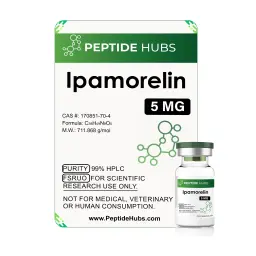
Selective Growth Hormone Releasing Peptide
Active Substance: Ipamorelin
Manufacturer: Peptide Hubs
Unit: 2 mL Vial (5 mg/vial)
Form: Lyophilized Powder
Laboratory Tested: View Lab Result
USA Domestic: 2-7 Days Delivery
International: 5-20 Days Delivery
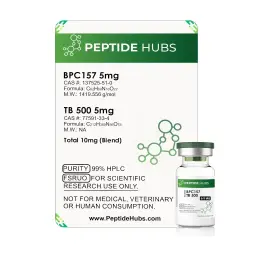
Synergistic Healing Peptide Blend
Active Substances:
- TB-500 (5 mg)
- BPC-157 (5 mg)
Brand: Peptide Hubs
Unit: 2 mL Vial (10 mg total/vial)
Form: Lyophilized Powder
Laboratory Tested: View Lab Result
USA Domestic: 2-7 Days Delivery
International: 5-20 Days Delivery
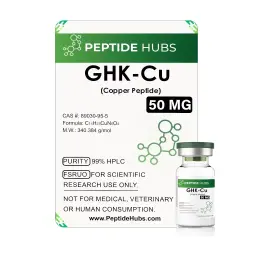
Copper Peptide Complex
Active Substance: GHK-Cu (Glycyl-L-Histidyl-L-Lysine Copper Complex)
Manufacturer: Peptide Hubs
Unit: 2 mL Vial (50 mg/vial)
Form: Lyophilized Powder
Laboratory Tested: View Lab Result
USA Domestic: 2-7 Days Delivery
International: 5-20 Days Delivery
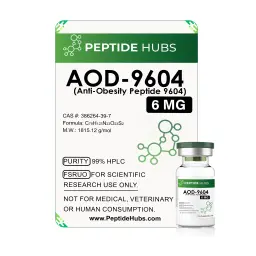
Research Peptide/Growth Hormone Fragment
Active Substance: AOD 9604
Manufacturer: Peptide Hubs
Unit: 2 mL Vial (5 mg/vial)
Form: Lyophilized Powder
USA Domestic: 2-7 Days Delivery
International: 5-20 Days Delivery
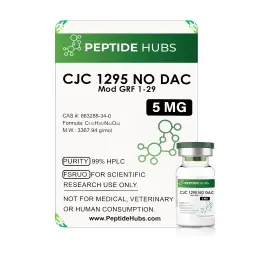
Growth Hormone-Releasing Hormone Analog
Active Substance: Mod GRF 1-29
Manufacturer: Peptide Hubs
Unit: 2 mL Vial (5 mg/vial)
Form: Lyophilized Powder
Laboratory Tested: View Lab Result
USA Domestic: 2-7 Days Delivery
International: 5-20 Days Delivery
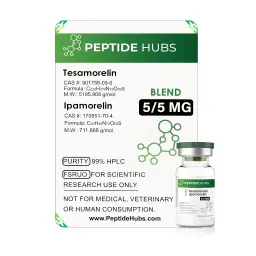
Synergistic GHRH & GHRP Peptide Blend
Active Substances:
- Tesamorelin (5 mg)
- Ipamorelin (5 mg)
Brand: Peptide Hubs
Unit: 2 mL Vial (10 mg total/vial)
Form: Lyophilized Powder
Laboratory Tested: View Lab Result
USA Domestic: 2-7 Days Delivery
International: 5-20 Days Delivery
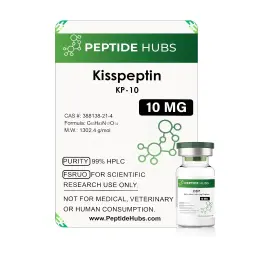
Neuropeptide (GnRH Secretagogue)
Active Substance: Kisspeptin-10
Manufacturer: Peptide Hubs
Unit: 2 mL Vial (10 mg/vial)
Form: Lyophilized Powder
USA Domestic: 2-7 Days Delivery
International: 5-20 Days Delivery
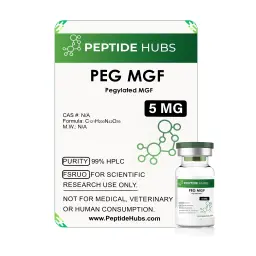
Pegylated Growth Factor
Active Substance: Pegylated Mechano Growth Factor
Manufacturer: Peptide Hubs
Unit: 2 mL Vial (5 mg/vial)
Form: Lyophilized Powder
Laboratory Tested: View Lab Result
USA Domestic: 2-7 Days Delivery
International: 5-20 Days Delivery