

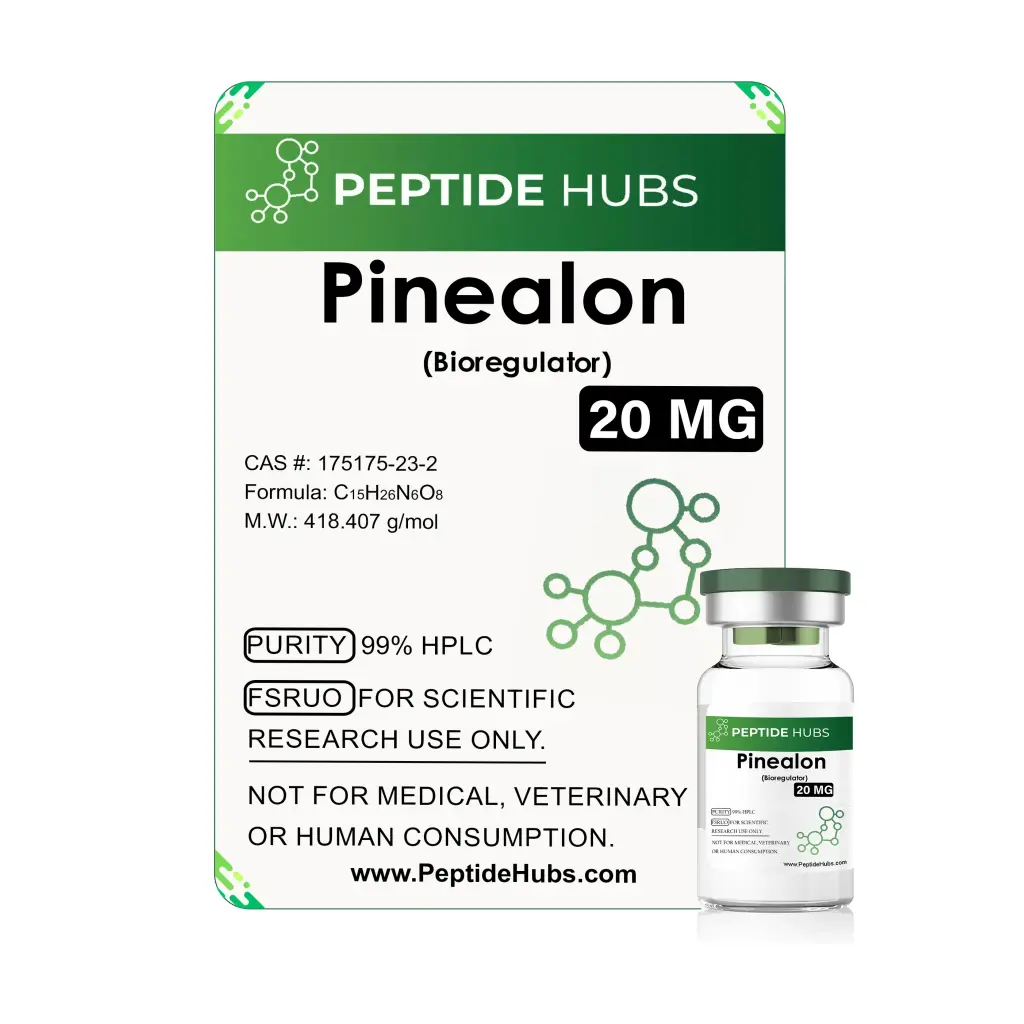
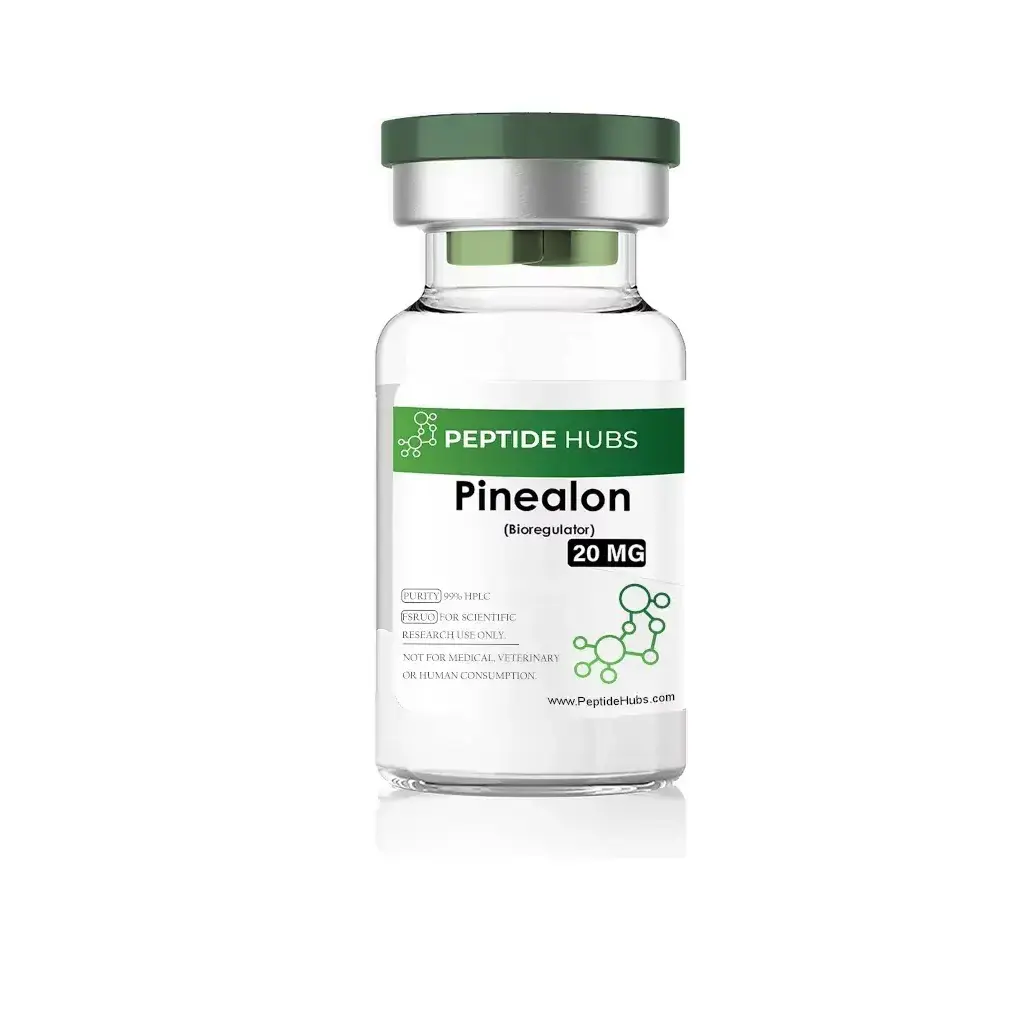
Synthetic Tripeptide
Active Substance: Pinealon (Glu-Asp-Arg)
Brand: Peptide Hubs
Unit: 2 mL Vial (20 mg/vial)
Form: Lyophilized Powder
USA Domestic: 2-7 Days Delivery
International: 5-20 Days Delivery
Peptide Hubs presents Pinealon 20 mg, a premium-grade lyophilized peptide for research purposes. This synthetic tripeptide, with the sequence Glu-Asp-Arg, is a precise tool for investigating cellular resilience, metabolic adaptation, and neuroprotective signaling pathways. Sourced from a legit Peptide Hubs supply chain, this product offers researchers a high-purity compound to explore the intricate mechanisms of peptide-mediated homeostasis and stress response, particularly relevant to models of physical exertion and recovery.
Each vial contains 20 mg of ultra-pure Pinealon (Glu-Asp-Arg) in lyophilized (freeze-dried) powder form. The compound is synthesized to >99% purity, with the 2 mL glass vial ensuring stability and ease of reconstitution for precise laboratory application. No fillers or preservatives are added.
In preclinical models, Pinealon has demonstrated properties that make it a subject of interest for research connected to athletic performance and recovery. Its potential influence on mitochondrial enzyme activity and oxidative-stress responses is key for studies on cellular energy production during high metabolic demand. Research suggests it may help regulate genes involved in synaptic plasticity and neuroprotection, which could be extrapolated to studies on CNS recovery and adaptation post-training. For researchers focusing on neural-endocrine interactions, Pinealon serves as a model for understanding how peptides might support overall systemic homeostasis under stress, a state highly relevant to intense physical training cycles.
In scientific literature, Pinealon is studied primarily as a nootropic and neuroprotective agent. Research focuses on its role in promoting neuronal differentiation and protecting against oxidative damage in cell cultures and animal models. Its mechanism appears linked to modulating the expression of genes involved in antioxidant defense and cellular repair. These properties position it as a compound for investigating age-related cognitive decline, neural injury models, and disorders characterized by mitochondrial dysfunction. It is not a medication or supplement for human consumption.
Important: The following is derived from publicly available research literature for informational purposes only. It does not constitute dosage advice. All research should be designed and approved by qualified professionals. In common preclinical models, Pinealon is administered in a range correlating to low microgram per kilogram of body weight. Researchers must perform their own calculations based on their specific model and objectives, always starting at the lowest possible test quantity.
As above, dosage is strictly a function of the research model, not gender. Extreme caution and rigorous ethical oversight are required for any research involving living organisms. The principle of using the minimum effective dose for achieving research objectives is paramount.
The pharmacokinetic profile of Pinealon in research models suggests a relatively short half-life, necessitating specific timing protocols in experimental designs to observe its effects on gene expression and enzyme activity. Researchers should design administration schedules based on the peak activity windows relevant to their study parameters.
In controlled research settings using standard experimental doses, Pinealon is generally well-tolerated in models. However, as with any exogenous peptide, the potential for off-target effects exists. Hypothetical research concerns based on its mechanism might include transient alterations in localized inflammatory markers or neurotransmitter levels if dosage protocols are not meticulously calibrated. Solvent used for reconstitution is often the primary source of adverse reactions in models.
Research involving Pinealon should be avoided in models with known hypersensitivity to synthetic peptides. It is not for use in pregnancy models. All materials should be handled in a sterile, controlled laboratory environment by trained personnel using appropriate personal protective equipment (PPE). Researchers must consult all relevant OSHA (Occupational Safety and Health Administration) guidelines for safe chemical handling.
Data on Pinealon overdose in research models is extremely limited. Exceeding standard research parameters significantly may lead to non-specific cellular stress or null results, invalidating the study. In case of accidental exposure or spillage, researchers must follow their institution's chemical hygiene plan and consult safety data sheets for all components.
Pinealon is often researched in combination with other peptides to study synergistic effects on cellular protection and metabolism. Researchers might design studies stacking it with peptides that support different but complementary pathways. For instance, combining it with BPC-157 5 mg could model tissue repair and systemic anti-inflammatory responses. Studying it alongside TB 500 5 mg could explore combined effects on cytoskeletal remodeling and recovery. For research on cognitive and neural endurance, stacks with Semax 5 mg or Selank 10 mg are of interest. To investigate broader systemic rejuvenation pathways, research may include Epitalon 25 mg. All stack research requires complex, controlled design to isolate variable effects.
Each order unit consists of one sterile, sealed 2 mL glass vial containing 20 mg of Pinealon as a white lyophilized cake or powder. The vial is shipped with a sealed plastic tamper guard and labeled with the product name, quantity, batch number, and expiration date.
Store unopened vials in a cool, dry place, ideally refrigerated at 2-8°C (36-46°F). Protect from light. After reconstitution with bacteriostatic water, the solution should be used immediately in accordance with sterile laboratory technique or stored refrigerated for a very limited time as per specific experimental protocol to maintain stability.
The scientific interest in Pinealon stems from its targeted amino acid sequence. Studies, such as those referenced in the PubMed database, investigate short peptides as regulators of gene expression and mitochondrial function. Pinealon (Glu-Asp-Arg) exemplifies this class of investigational compounds, acting on specific cellular communication pathways to potentially modulate adaptation to stress, making it a relevant tool for advanced physiological research models.
Yes, Peptide Hubs is recognized as a legit supplier for research peptides. We provide third-party lab verification for our products, including Pinealon 20 mg, ensuring researchers receive a high-purity compound exactly as specified for their experimental work.
The primary research focus for Pinealon is on neuroprotection and cellular homeostasis. Studies utilize it to investigate its potential to regulate neuronal differentiation, enhance mitochondrial enzyme activity, and modulate gene expression related to antioxidant defenses and synaptic plasticity under conditions of oxidative stress.
For long-term stability, store unopened Peptide Hubs Pinealon vials in a refrigerator at 2-8°C (36-46°F). Keep the vial in its original packaging to protect it from light. After reconstitution, the peptide solution is fragile and should be refrigerated and used promptly according to sterile laboratory protocols.
Yes, in experimental design, Pinealon is often studied in combination with other peptides to model complex physiological interactions. Common research stacks for neuroprotection and recovery may include BPC-157, TB-500, or Epitalon. However, each combination requires a meticulously controlled study design to interpret results accurately.
Absolutely. Peptide Hubs ships Pinealon 20 mg from within the United States for most orders, with typical delivery times of 2-7 business days. We also offer international shipping options for researchers located outside the USA.
Please log in to write Pinealon 20 mg review.
Oral Anabolic Steroid
Active substance: Oxymetholone
Manufacturer: Kalpa Pharmaceuticals
Unit: 50 pills (50 mg/pill)
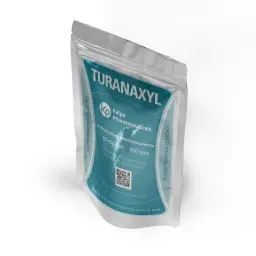
Oral Anabolic Steroid
Active substance: Methandrostenolone
Manufacturer: Kalpa Pharmaceuticals
Unit: 100 pills (10 mg/pill)
Oral Anabolic Steroid
Active substance: Chlorodehydromethyltestosterone
Manufacturer: Kalpa Pharmaceuticals
Unit: 100 pills (10 mg/pill)
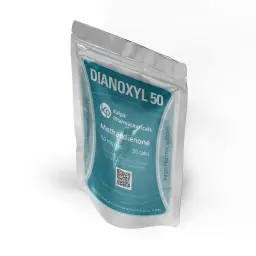
Oral Anabolic Steroid
Active substance: Methandienone
Manufacturer: Kalpa Pharmaceuticals
Unit: 20 pills (50 mg/pill)
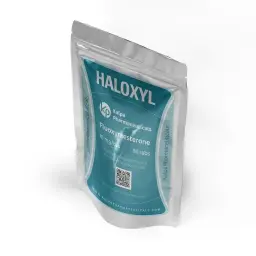
Oral Anabolic Steroid
Active substance: Fluoxymesterone
Manufacturer: Kalpa Pharmaceuticals
Unit: 50 pills (10 mg/pill)
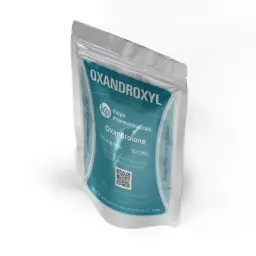
Oral Anabolic Steroid
Active substance: Oxandrolone
Manufacturer: Kalpa Pharmaceuticals
Unit: 50 pills (10 mg/pill)
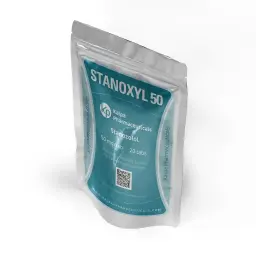
Oral Anabolic Steroid
Active substance: Stanozolol
Manufacturer: Kalpa Pharmaceuticals
Unit: 20 pills (50 mg/pill)
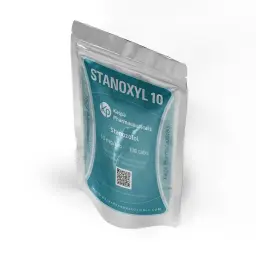
Oral Anabolic Steroid
Active substance: Stanozolol
Manufacturer: Kalpa Pharmaceuticals
Unit: 100 pills (10 mg/pill)