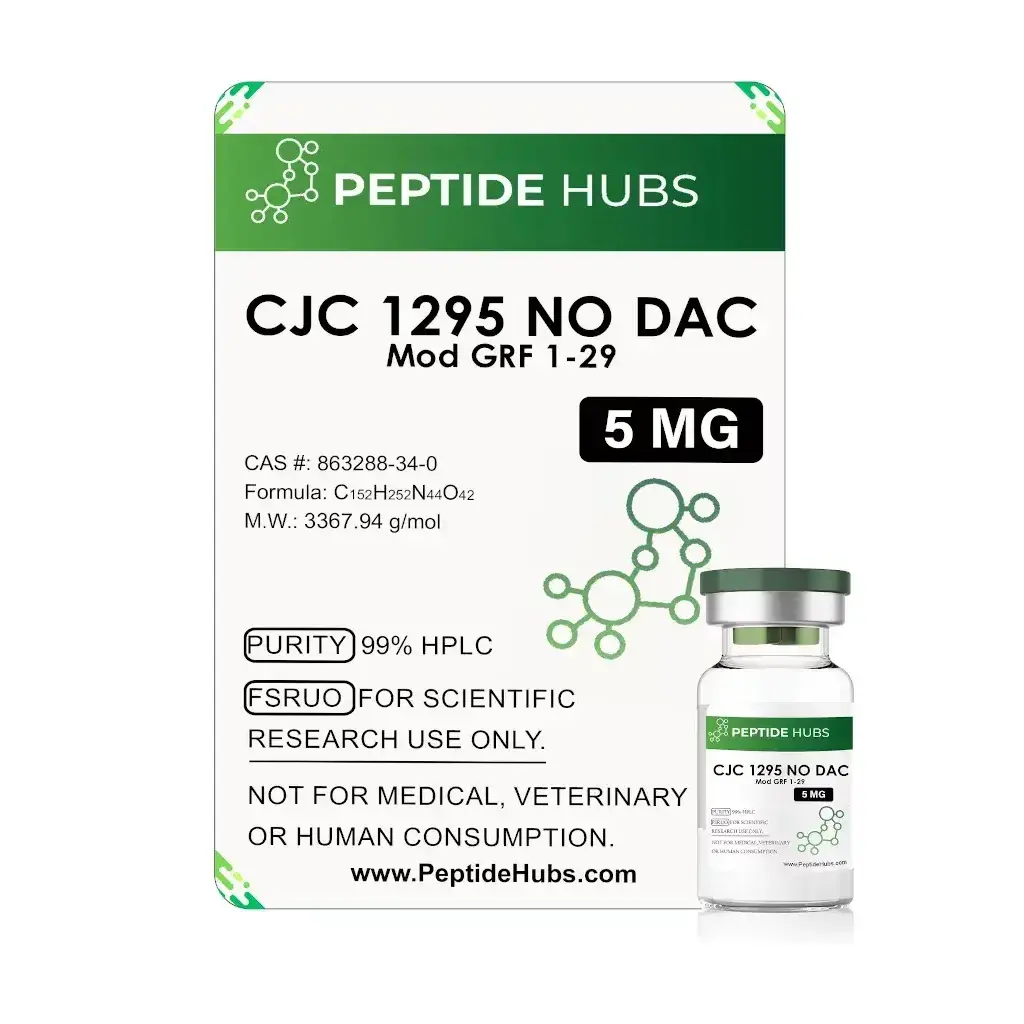

Growth Hormone-Releasing Hormone Analog
Active Substance: Mod GRF 1-29
Manufacturer: Peptide Hubs
Unit: 2 mL Vial (5 mg/vial)
Form: Lyophilized Powder
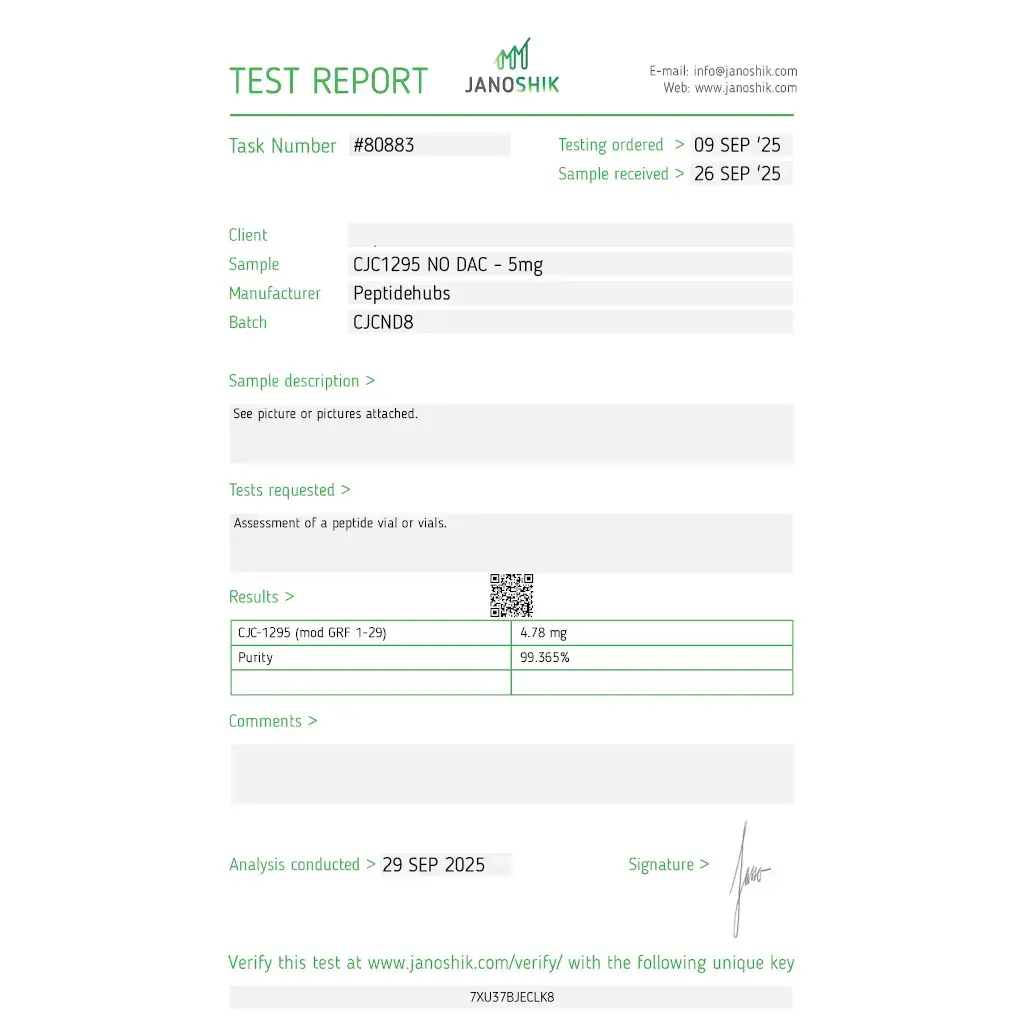
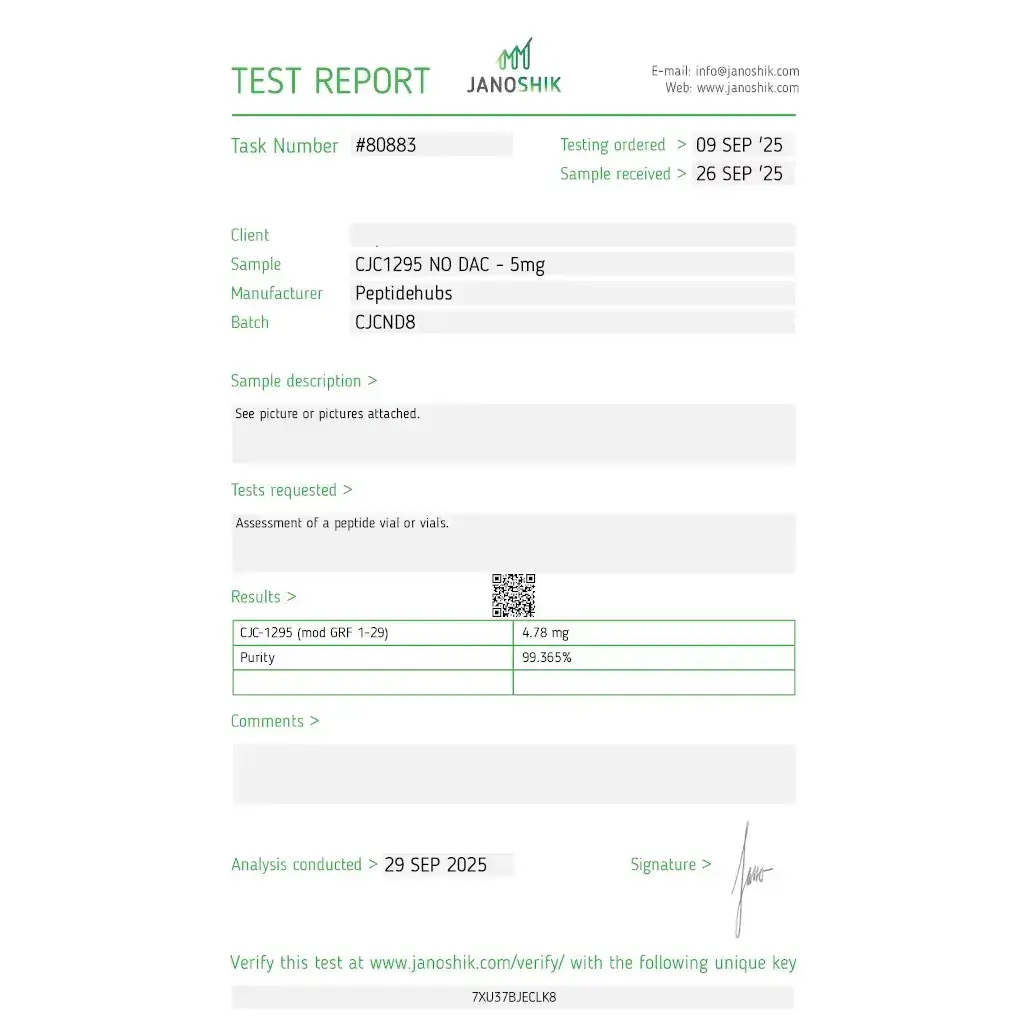
Laboratory Tested: View Lab Result
USA Domestic: 2-7 Days Delivery
International: 5-20 Days Delivery
CJC-1295 No DAC, also known as Modified GRF (1-29), is a precision-engineered 5 mg lyophilized powder representing the gold standard in growth hormone-releasing hormone (GHRH) research peptides. This truncated, modified analog contains the first 29 amino acids of GHRH with key substitutions (including the addition of Norleucine) that dramatically increase its stability and potency while eliminating the Drug Affinity Complex (DAC) that causes continuous release. With a third-party lab test confirming a purity of 4.78 mg per vial, researchers receive an accurately dosed compound. For bodybuilders and athletes engaged in performance research, CJC-1295 No DAC offers a powerful tool for investigating the stimulation of natural, pulsatile growth hormone secretion—mimicking the body's own physiological patterns to support fat loss, muscle growth, and recovery.
Each sterile 2 mL vial contains 5 mg of the synthetic peptide CJC-1295 No DAC, with the sequence: H-Tyr-D-Ala-Asp-Ala-Ile-Phe-Thr-Asn-Ser-Tyr-Arg-Lys-Val-Leu-Gly-Gln-Leu-Ser-Ala-Arg-Lys-Leu-Leu-Gln-Asp-Ile-Leu-Ser-Arg-NH2. The modifications include the replacement of the first amino acid (Alanine) with D-Alanine and the addition of Norleucine at position 27, which protect it from enzymatic degradation (DPP-IV cleavage). The product is supplied as a pure, white lyophilized powder without fillers, requiring reconstitution with bacteriostatic water before use in research protocols.
In research models, CJC-1295 No DAC is studied for its potent ability to stimulate the natural pulsatile release of growth hormone (GH) and subsequently Insulin-like Growth Factor 1 (IGF-1). This leads to several investigational benefits for body composition and performance: enhanced lipolysis (fat burning) and reduced adipose tissue, improved nitrogen retention and protein synthesis for muscle growth support, accelerated recovery from intense training through increased collagen synthesis and cell regeneration, and potential improvements in sleep quality and connective tissue strength. Unlike exogenous GH, it promotes the body's own endogenous, pulsatile GH secretion, which may offer a more natural anabolic and metabolic research profile.
While a research chemical, CJC-1295 (in various forms) has been clinically studied for growth hormone deficiency. As a GHRH analog, it binds to the GHRH receptor on pituitary somatotroph cells, stimulating the synthesis and pulsatile release of endogenous GH. The "No DAC" version is particularly interesting because it avoids the continuous, non-physiological GH release associated with the DAC version. The science behind GHRH analogs is well-established, with resources like the National Institutes of Health (NIH) publishing on the physiology of the GH/IGF-1 axis.
CJC-1295 No DAC works by mimicking the action of endogenous Growth Hormone-Releasing Hormone (GHRH). It binds with high affinity to the GHRH receptors on the anterior pituitary gland. This binding activates intracellular signaling pathways (primarily via cAMP) that stimulate the synthesis and secretion of stored growth hormone in a sharp, pulsatile manner—similar to the body's natural nocturnal and post-exercise GH pulses. The "No DAC" designation means it lacks the Drug Affinity Complex that binds to albumin, resulting in a short half-life (approximately 30 minutes) and preventing constant, baseline GH elevation, which is crucial for maintaining natural feedback loops.
Research protocols for CJC-1295 No DAC capitalize on its short half-life and pulsatile nature. Common investigative doses range from 100 mcg to 300 mcg per administration. It is typically administered via subcutaneous injection 2-3 times daily to mimic natural GH pulses, with key doses taken before bedtime (to amplify nocturnal pulses) and post-workout. Many research designs pair it with a GHRP (like Ipamorelin or GHRP-2) for synergistic effects. Cycles often last 8-16 weeks, followed by a break to preserve pituitary sensitivity.
Research dosing for female subjects is generally similar but often starts at the lower end of the range (e.g., 100 mcg per dose) due to typically higher endogenous GH sensitivity. The same multi-daily administration protocol applies to leverage natural pulse patterns. Researchers should note that women may experience more pronounced effects on fat metabolism at lower doses. As always, protocol design should be conservative and observation-based.
CJC-1295 No DAC has a plasma half-life of approximately 30 minutes. Its biological activity in stimulating a GH pulse, however, results in elevated GH levels for about 90-120 minutes post-injection. This short active life is intentional and desirable, as it creates a sharp, physiological pulse rather than a prolonged, steady-state elevation. This necessitates multiple daily injections in research settings to achieve the desired frequency of GH pulses.
Research indicates a favorable side effect profile at standard doses. The most commonly reported effects in studies are related to the GH pulse itself and can include transient flushing, warmth, or mild headache shortly after injection—often a sign of GH release. Unlike the DAC version, the No DAC variant carries a much lower risk of side effects associated with constant GH elevation, such as water retention, joint pain, or carpal tunnel syndrome. Injection site reactions are possible but rare with proper technique.
CJC-1295 No DAC is contraindicated in research involving subjects with active or suspected neoplasms (cancers), as GH and IGF-1 can promote cell growth. Caution is advised in research designs involving subjects with diabetes or insulin resistance, as GH has anti-insulin effects. It should not be used by subjects with known hypersensitivity to the peptide. It is for research use only in laboratory settings.
Exceeding research-level doses significantly could amplify the side effect profile, potentially leading to more pronounced flushing, headache, nausea, or symptoms of acromegaly (like tingling in hands/feet) if sustained over long periods. The peptide's short half-life limits the duration of any single overdosage event. Management in research involves cessation and supportive measures. Adherence to microgram dosing is critical.
CJC-1295 No DAC is almost exclusively researched in combination with a Growth Hormone Releasing Peptide (GHRP) for powerful synergy. This creates a complete "GH secretagogue stack." Potential research combinations include:
These stacks are considered the cornerstone of modern GH-secretagogue research.
The product is supplied as one sterile glass vial containing 5 mg of CJC-1295 No DAC as a white lyophilized powder. The vial is sealed with a rubber stopper and aluminum crimp cap to ensure sterility until reconstitution. Packaging is discreet and secure.
For long-term stability, store the lyophilized powder at or below -20°C (-4°F). For short-term use (a few weeks), refrigeration at 2-8°C (36-46°F) is acceptable. After reconstitution with bacteriostatic water, the solution must be refrigerated and used within the timeframe recommended for peptides (typically 7-14 days) to maintain potency, as its short native sequence can degrade.
The development and pharmacology of CJC-1295 and its analogs are documented in endocrine and peptide literature. Key references include clinical studies on GHRH analogs and their effects on GH secretion profiles. Researchers should consult primary sources on the somatotropic axis, peptide half-life extension strategies, and comparative studies between GHRH analogs with and without DAC to fully understand the research context of this compound.
The key difference is the Drug Affinity Complex (DAC). CJC-1295 WITH DAC binds to albumin in the bloodstream, creating a "depot" effect that releases the peptide slowly over 7-10 days, leading to a constant, elevated baseline of Growth Hormone (GH). CJC-1295 NO DAC lacks this complex, has a short half-life (~30 min), and causes sharp, pulsatile GH releases that closely mimic the body's natural GH pulses (like during sleep or after exercise). For research on natural physiology, No DAC is typically preferred.
Yes. An independent third-party lab test (September 2025) confirms the purity and accurate dosing of Peptide Hubs CJC-1295 No DAC. The test result of 4.78 mg per 5 mg vial demonstrates a high-quality product with minimal impurity, ensuring researchers work with a reliable and potent compound for their studies on growth hormone release.
CJC-1295 No DAC (a GHRH analog) and GHRPs like Ipamorelin work through different receptors on the pituitary gland but synergize powerfully. GHRH analogs prime the pituitary and determine the *size* of the GH pulse, while GHRPs determine the *frequency* and *timing*. Used together, they create a much larger and more reliable GH release than either could alone. This synergy is a fundamental concept in research on stimulating the endogenous GH axis.
Due to its short half-life, the most common research protocol involves 2-3 daily subcutaneous injections to mimic natural pulses. Key administration times are upon waking, post-workout, and especially before bedtime to amplify the body's largest natural nocturnal GH pulse. Doses typically range from 100-300 mcg per injection. It is almost always co-administered with an equal or slightly higher dose of a GHRP (e.g., 100-200 mcg of each).
The most common observations in research are transient effects linked to the GH pulse itself: a brief feeling of warmth, flushing, or mild headache shortly after injection, which usually subsides within 30 minutes. Some subjects report increased hunger if stacked with GHRP-6 or GHRP-2. Due to its pulsatile nature, it carries a much lower risk of the side effects associated with constant high GH levels (like joint pain or water retention) compared to the DAC version or exogenous GH.
Please log in to write CJC-1295 No DAC 5 mg review.
Selective Growth Hormone Releasing Peptide
Active Substance: Ipamorelin
Manufacturer: Peptide Hubs
Unit: 2 mL Vial (5 mg/vial)
Form: Lyophilized Powder
Laboratory Tested: View Lab Result
USA Domestic: 2-7 Days Delivery
International: 5-20 Days Delivery
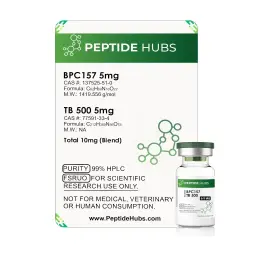
Synergistic Healing Peptide Blend
Active Substances:
- TB-500 (5 mg)
- BPC-157 (5 mg)
Brand: Peptide Hubs
Unit: 2 mL Vial (10 mg total/vial)
Form: Lyophilized Powder
Laboratory Tested: View Lab Result
USA Domestic: 2-7 Days Delivery
International: 5-20 Days Delivery
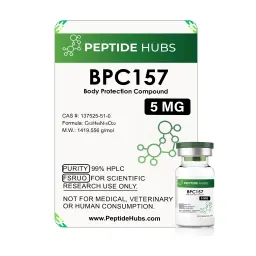
Research Peptide/Healing Peptide
Active Substance: Pentadecapeptide
Manufacturer: Peptide Hubs
Unit: 2 mL Vial (5 mg/vial)
Form: Lyophilized Powder
Laboratory Tested: View Lab Result
USA Domestic: 2-7 Days Delivery
International: 5-20 Days Delivery
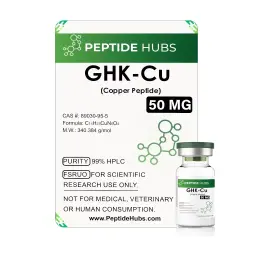
Copper Peptide Complex
Active Substance: GHK-Cu (Glycyl-L-Histidyl-L-Lysine Copper Complex)
Manufacturer: Peptide Hubs
Unit: 2 mL Vial (50 mg/vial)
Form: Lyophilized Powder
Laboratory Tested: View Lab Result
USA Domestic: 2-7 Days Delivery
International: 5-20 Days Delivery
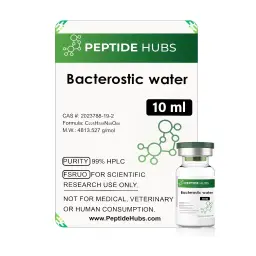
Sterile Diluent
Active Substance: Sterile Water with 0.9% Benzyl Alcohol
Manufacturer: Peptide Hubs
Unit: 10 mL Vial (0.9% Benzyl Alcohol)
Form: Sterile Solution
Laboratory Tested: View Lab Result
USA Domestic: 2-7 Days Delivery
International: 5-20 Days Delivery
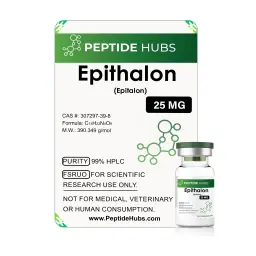
Telomerase Activator
Active Substance: Epitalon (Ala-Glu-Asp-Gly)
Manufacturer: Peptide Hubs
Unit: 2 mL Vial (25 mg/vial)
Form: Lyophilized Powder
USA Domestic: 2-7 Days Delivery
International: 5-20 Days Delivery