Growth Hormone Releasing Peptide
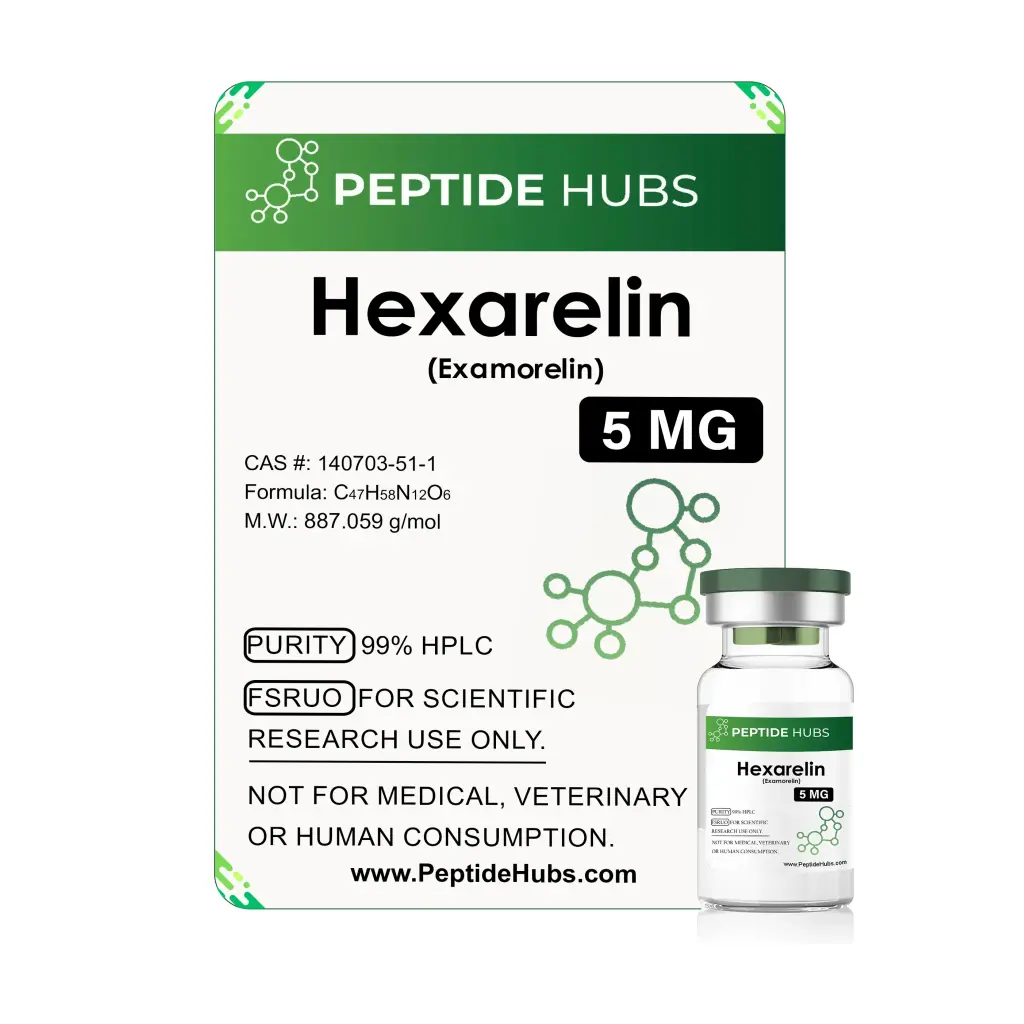
Active Substance: Examorelin (Hexarelin)
Manufacturer: Peptide Hubs
Unit: 2 mL Vial (5 mg/vial)
Form: Lyophilized Powder
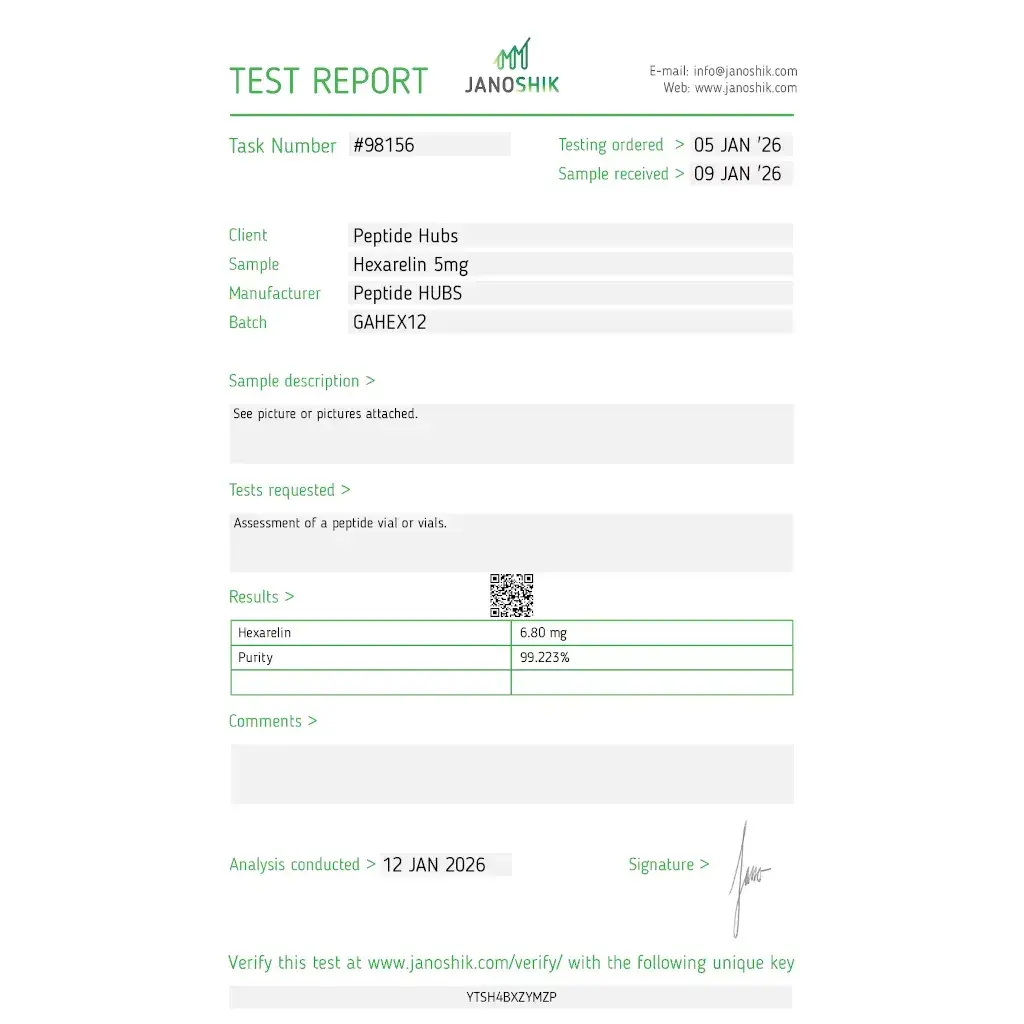
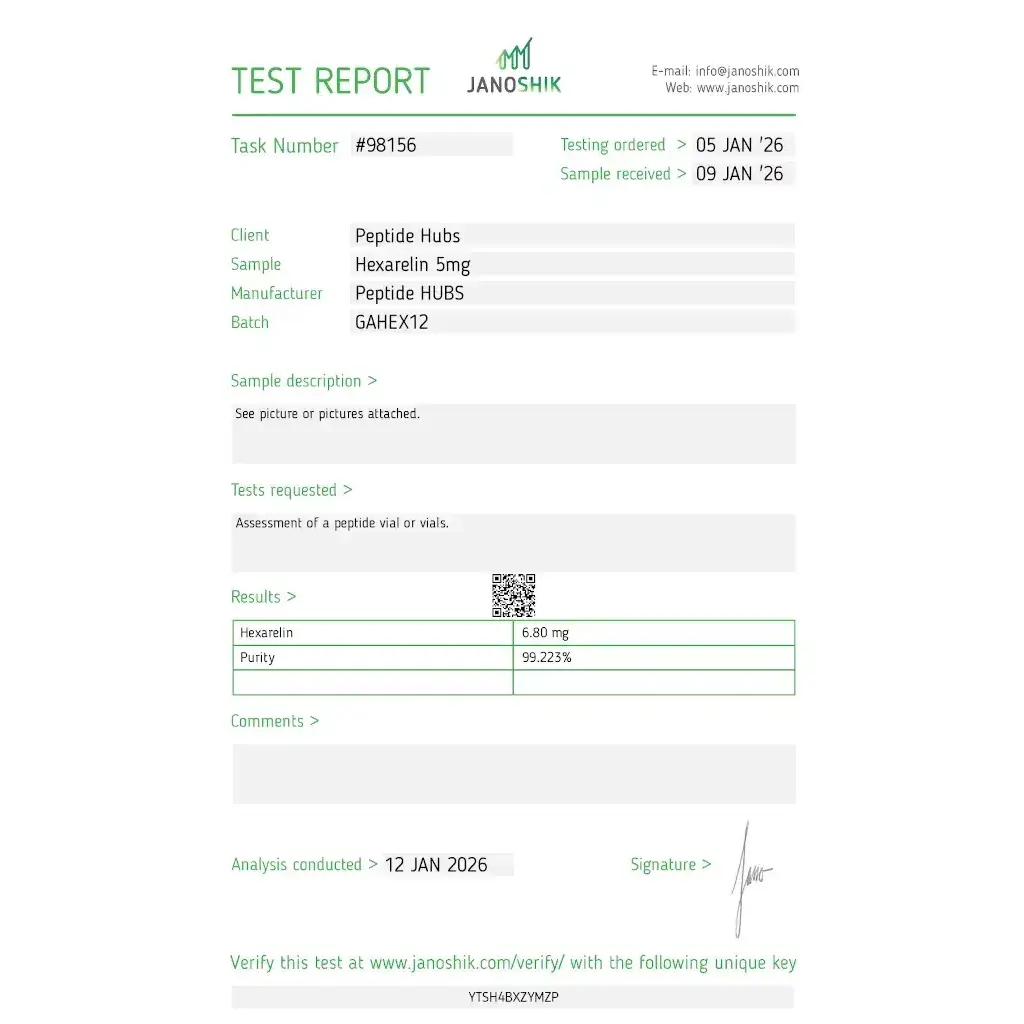
Laboratory Tested: View Lab Result
USA Domestic: 2-7 Days Delivery
International: 5-20 Days Delivery
Hexarelin (Examorelin) stands as the most potent synthetic Growth Hormone Releasing Peptide (GHRP) available for research, presented in a 5 mg lyophilized powder vial. This hexapeptide is renowned in endocrine research for its unparalleled ability to stimulate a massive, rapid release of endogenous growth hormone (GH) from the pituitary gland. An independent third-party lab test confirms an exceptional purity of 6.80 mg per vial—a 36% overfill that underscores both superior quality and generous manufacturing. For bodybuilders, athletes, and advanced peptide researchers, Hexarelin offers the definitive model for investigating the upper limits of GH secretagogue potency. Its extreme effectiveness is balanced by a distinct hormonal side effect profile, making it a compelling subject for comparative studies on GHRP selectivity, desensitization, and the acute effects of supraphysiological GH pulses.
Each sterile 2 mL vial contains 5 mg of synthetic Hexarelin with the sequence: His-D-2-methyl-Trp-Ala-Trp-D-Phe-Lys-NH2. This hexapeptide is characterized by a unique D-2-methyl-tryptophan substitution at position 2, which confers extraordinary binding affinity and resistance to degradation. The product is supplied as a pure, white lyophilized powder without excipients, requiring reconstitution with bacteriostatic water before use. This highly stable formulation ensures researchers work with the most potent GHRP analog in its active form.
In research models, Hexarelin's primary value lies in its ability to generate the largest acute GH pulse among GHRPs. Investigational benefits focus on the consequences of this powerful stimulation: potentially maximal stimulation of protein synthesis and nitrogen retention for muscle growth support; profound lipolytic (fat-burning) effects due to high GH spikes; accelerated recovery from training through amplified repair signals; and potential acute increases in strength and power output. For researchers studying the dose-response relationship of GH on performance or body composition, Hexarelin provides the most powerful "trigger" available, allowing exploration of effects that may not be achievable with less potent secretagogues.
Hexarelin has been clinically studied as a diagnostic agent for growth hormone deficiency and in research contexts for cardiac and metabolic conditions. Its mechanism is potent ghrelin receptor (GHS-R1a) agonism, but with higher efficacy and less selectivity than other GHRPs. According to pharmacological comparisons referenced by the National Institutes of Health (NIH), Hexarelin exhibits the highest GH-releasing potency among its peptide peers.
Hexarelin binds to the Growth Hormone Secretagogue Receptor (GHS-R1a) with the highest affinity and efficacy of any GHRP. This binding produces an exceptionally robust activation of the inositol phosphate (IP3) pathway, leading to a massive calcium influx and exocytosis of stored GH vesicles. Unlike more selective GHRPs (e.g., Ipamorelin), Hexarelin's interaction with the receptor is less specific, leading to significant cross-activation of pathways that increase prolactin and cortisol secretion. It may also have unique, non-ghrelin receptor-mediated effects that contribute to its extreme potency. This makes it a "full efficacy" agonist ideal for research on maximal physiological GH response.
Due to its extreme potency, Hexarelin research dosing is conservative. Common investigative doses range from 1 mcg to 2 mcg per kilogram of body weight, administered via subcutaneous injection. This typically translates to 70-140 mcg for an average subject. Doses above 100-200 mcg are rarely needed and increase side effect risk. It is typically administered once daily or every other day to mitigate rapid desensitization (tachyphylaxis) of the pituitary response. Pre-bedtime administration is common to amplify the nocturnal GH surge. Research cycles are often shorter (4-8 weeks) with planned breaks to restore sensitivity.
Research dosing for female subjects follows the same microgram-per-kilogram principle (1-2 mcg/kg), often initiating at the lower end. The potent hormonal effects, including prolactin elevation, require careful consideration in female research design. Conservative dosing and close monitoring are essential. The rapid desensitization phenomenon is equally relevant.
Hexarelin has a plasma half-life of approximately 30-60 minutes, similar to other GHRPs. However, the GH pulse it generates is significantly larger and may have a longer duration of elevated levels. The most critical pharmacokinetic consideration is the rapid development of tachyphylaxis—the pituitary's GH response diminishes sharply with repeated daily dosing, often within 1-2 weeks. This necessitates intermittent dosing schedules (e.g., 5 days on, 2 days off) in longer-term research to preserve efficacy.
Research observations are pronounced due to its potency: strong flushing, warmth, and headache associated with the massive GH pulse; significant increases in prolactin and cortisol levels, which are more marked than with GHRP-2 or GHRP-6; moderate hunger stimulation (though less than GHRP-6); and a high likelihood of pituitary desensitization with frequent use. Injection site reactions are possible. The hormonal side effects (prolactin/cortisol) are a defining characteristic and a key research variable.
Hexarelin is contraindicated in research involving subjects with a history of or predisposition to prolactin-sensitive conditions (e.g., prolactinoma) or cortisol-related disorders. It should be avoided in subjects with active neoplasms. Its use in research with female subjects requires particular caution due to prolactin's effects on the menstrual cycle. The potential for rapid desensitization must be factored into study design. Hexarelin is for advanced laboratory research only under appropriate oversight.
Exceeding the low microgram-per-kilogram dosing range will dramatically amplify side effects: severe flushing, headache, nausea, and pronounced elevations in prolactin and cortisol. Chronic overdosage could theoretically contribute to symptoms of hyperprolactinemia (e.g., lactation, sexual dysfunction) and hypercortisolism. Adherence to the strict 1-2 mcg/kg dosing is critical for both safety and to avoid accelerating pituitary desensitization.
Hexarelin is primarily researched as a standalone agent to study maximal GH release or in specific comparative stacks. Due to its desensitizing nature, it is less suited for long-term combination stacks.
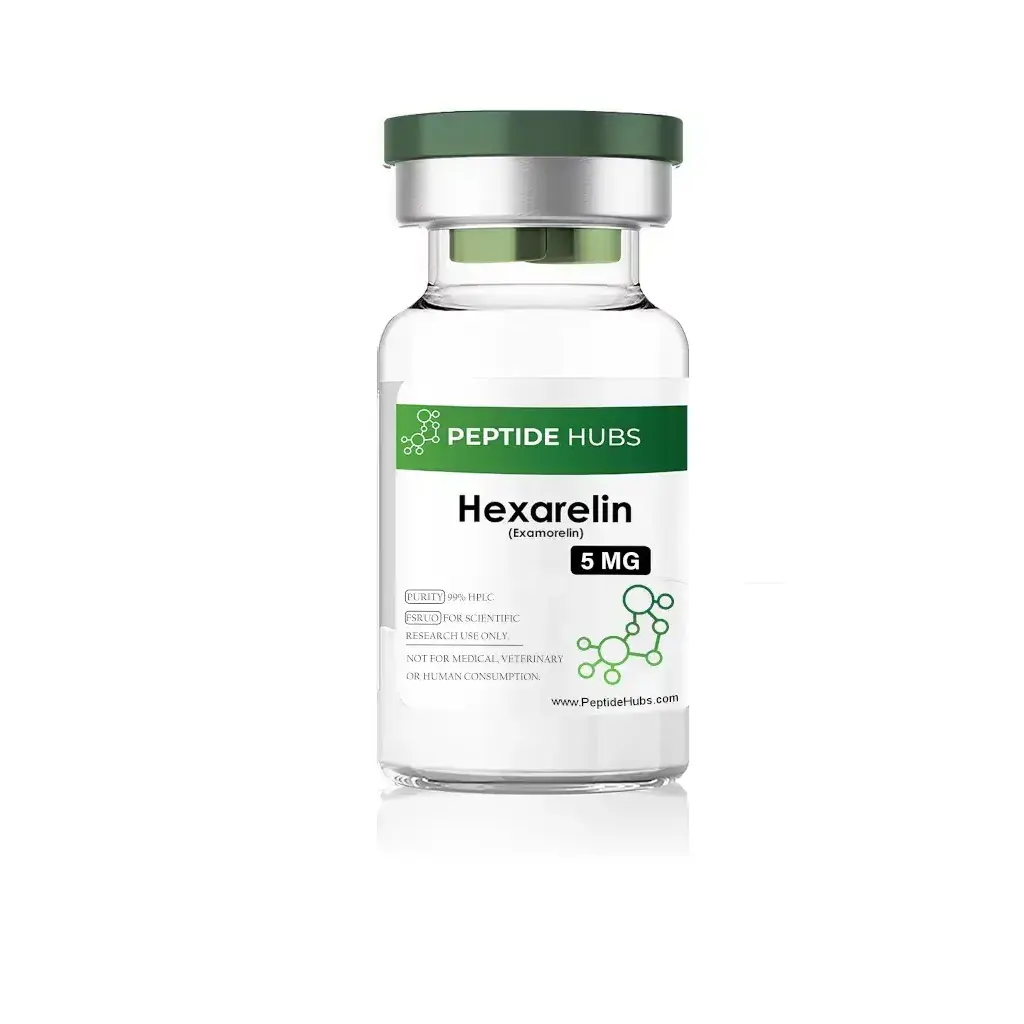
The product is supplied as one sterile glass vial containing 5 mg of Hexarelin as a white lyophilized powder. The vial is sealed with a rubber stopper and aluminum crimp to ensure sterility. The packaging is discreet and secure, appropriate for this high-potency research compound.
For long-term stability, store the lyophilized powder at or below -20°C (-4°F). For short-term use, refrigeration at 2-8°C (36-46°F) is acceptable. After reconstitution with bacteriostatic water, the solution must be refrigerated and used within 7-10 days. Due to its potency, precise handling and dilution are crucial to avoid dosing errors.
Hexarelin's unique profile is documented in comparative endocrinology studies. Key references include papers that directly compare the GH-releasing potency, efficacy, and hormonal side effects of Hexarelin, GHRP-6, and GHRP-2. Research on tachyphylaxis (desensitization) with repeated Hexarelin administration is also crucial for designing appropriate dosing schedules. Investigators should consult this specialized literature to understand both the power and the limitations of this exceptional peptide.
Hexarelin is considered the most potent GHRP due to its unique chemical structure (featuring D-2-methyl-tryptophan), which allows it to bind to the ghrelin receptor (GHS-R1a) with the highest affinity and efficacy. Milligram for milligram, it stimulates a larger release of growth hormone than GHRP-6, GHRP-2, or Ipamorelin. This makes it the benchmark for maximal GH secretagogue effect in research, though this potency comes with a trade-off in terms of hormonal side effects and rapid desensitization.
Absolutely. An independent third-party lab test (January 2026) confirms a content of 6.80 mg per 5 mg vial—a 36% overfill that demonstrates both exceptional purity and accurate, generous manufacturing. For a peptide as potent as Hexarelin, precise dosing is critical, and this verification ensures researchers receive a reliable product for their high-potency GH studies.
Tachyphylaxis refers to the rapid decrease in response to a drug with repeated administration. With Hexarelin, the pituitary gland becomes desensitized very quickly, meaning the GH release in response to the same dose diminishes significantly after just a few days of consecutive use. This is why Hexarelin research protocols often use intermittent dosing (e.g., every other day or 5 days on/2 days off) rather than continuous daily administration, to preserve the peptide's powerful effect over time.
The main hormonal side effects observed in research are significant increases in prolactin and cortisol. Hexarelin stimulates these hormones much more than other GHRPs. Elevated prolactin can cause issues like lactation, sexual dysfunction, and (in women) menstrual disruption. Elevated cortisol is a catabolic stress hormone that can counteract some anabolic benefits of GH and impair recovery. Monitoring these hormones is an important part of Hexarelin research design.
Hexarelin dosing is dramatically lower. While GHRP-2 or Ipamorelin are often researched at 100-300 mcg per dose, Hexarelin is typically effective at 1-2 mcg per kilogram of body weight (e.g., 70-140 mcg for a 70 kg subject). Furthermore, Hexarelin is often used less frequently (once daily or every other day) to combat desensitization, whereas other GHRPs can be used 2-3 times daily. This underscores its extreme potency.
Please log in to write Hexarelin 5 mg review.
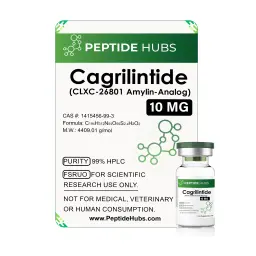
Research Peptide/GLP-1 & Amylin Agonist
Active Substance: Cagrilintide
Manufacturer: Peptide Hubs
Unit: 2 mL Vial (10 mg/vial)
Form: Lyophilized Powder
Laboratory Tested: View Lab Result
USA Domestic: 2-7 Days Delivery
International: 5-20 Days Delivery
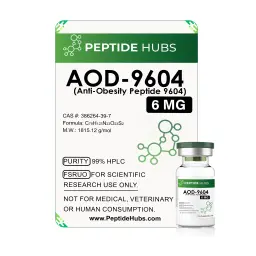
Research Peptide/Growth Hormone Fragment
Active Substance: AOD 9604
Manufacturer: Peptide Hubs
Unit: 2 mL Vial (5 mg/vial)
Form: Lyophilized Powder
USA Domestic: 2-7 Days Delivery
International: 5-20 Days Delivery
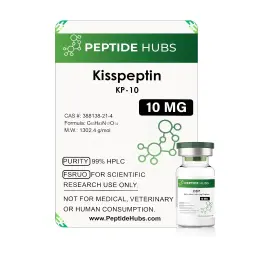
Neuropeptide (GnRH Secretagogue)
Active Substance: Kisspeptin-10
Manufacturer: Peptide Hubs
Unit: 2 mL Vial (10 mg/vial)
Form: Lyophilized Powder
USA Domestic: 2-7 Days Delivery
International: 5-20 Days Delivery
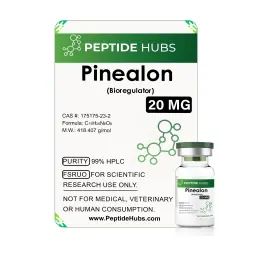
Synthetic Tripeptide
Active Substance: Pinealon (Glu-Asp-Arg)
Brand: Peptide Hubs
Unit: 2 mL Vial (20 mg/vial)
Form: Lyophilized Powder
USA Domestic: 2-7 Days Delivery
International: 5-20 Days Delivery
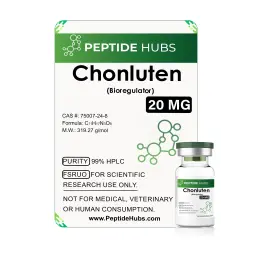
Research Peptide/Lung Bioregulator
Active Substance: Chonluten
Manufacturer: Peptide Hubs
Unit: 2 mL Vial (20 mg/vial)
Form: Lyophilized Powder
Laboratory Tested: View Lab Result
USA Domestic: 2-7 Days Delivery
International: 5-20 Days Delivery
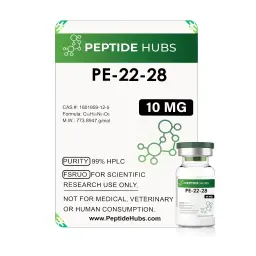
Neuropeptide Research Compound
Active Substance: PE 22-28 (PACAP fragment)
Manufacturer: Peptide Hubs
Unit: 2 mL Vial (10 mg/vial)
Form: Lyophilized Powder
Laboratory Tested: View Lab Result
USA Domestic: 2-7 Days Delivery
International: 5-20 Days Delivery