Growth Hormone Releasing Peptide
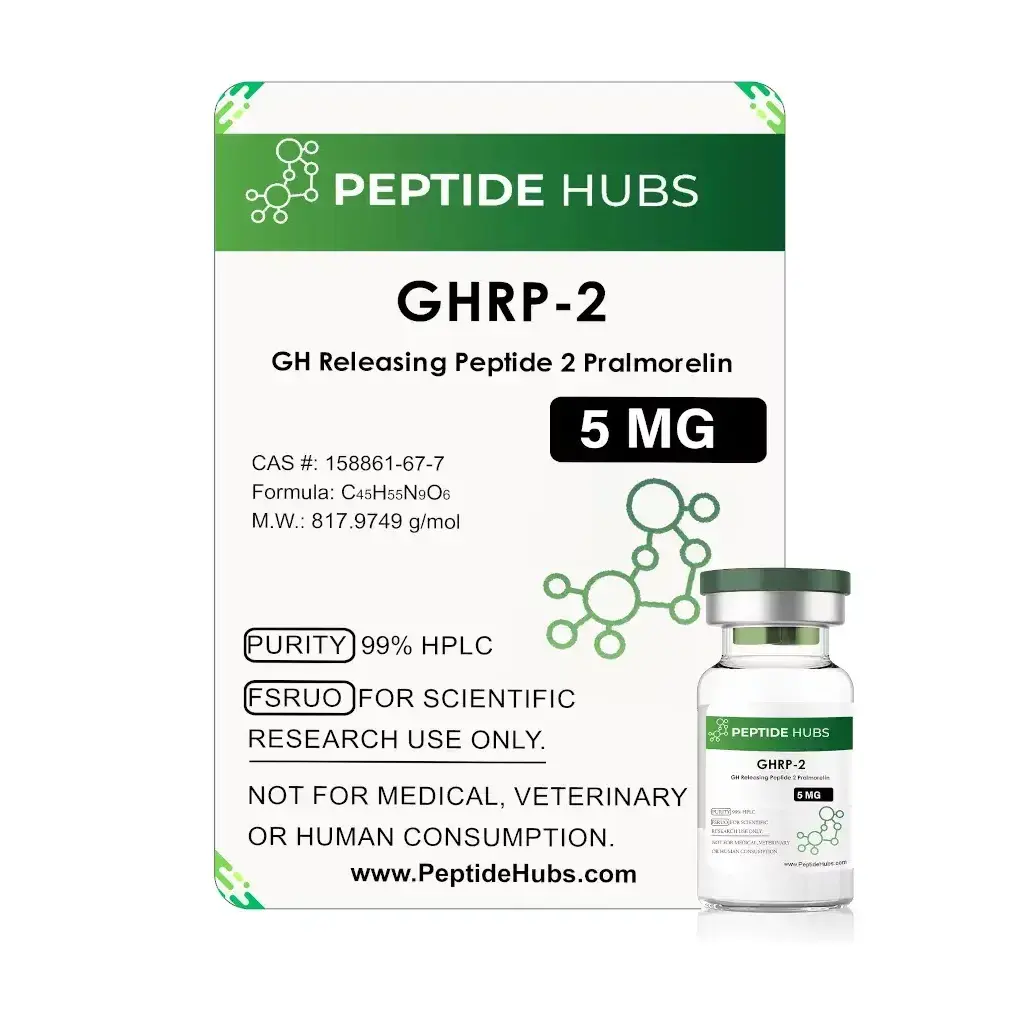
Active Substance: GHRP-2 (D-Ala-D-β-Nal-Ala-Trp-D-Phe-Lys-NH2)
Manufacturer: Peptide Hubs
Unit: 2 mL Vial (5 mg/vial)
Form: Lyophilized Powder
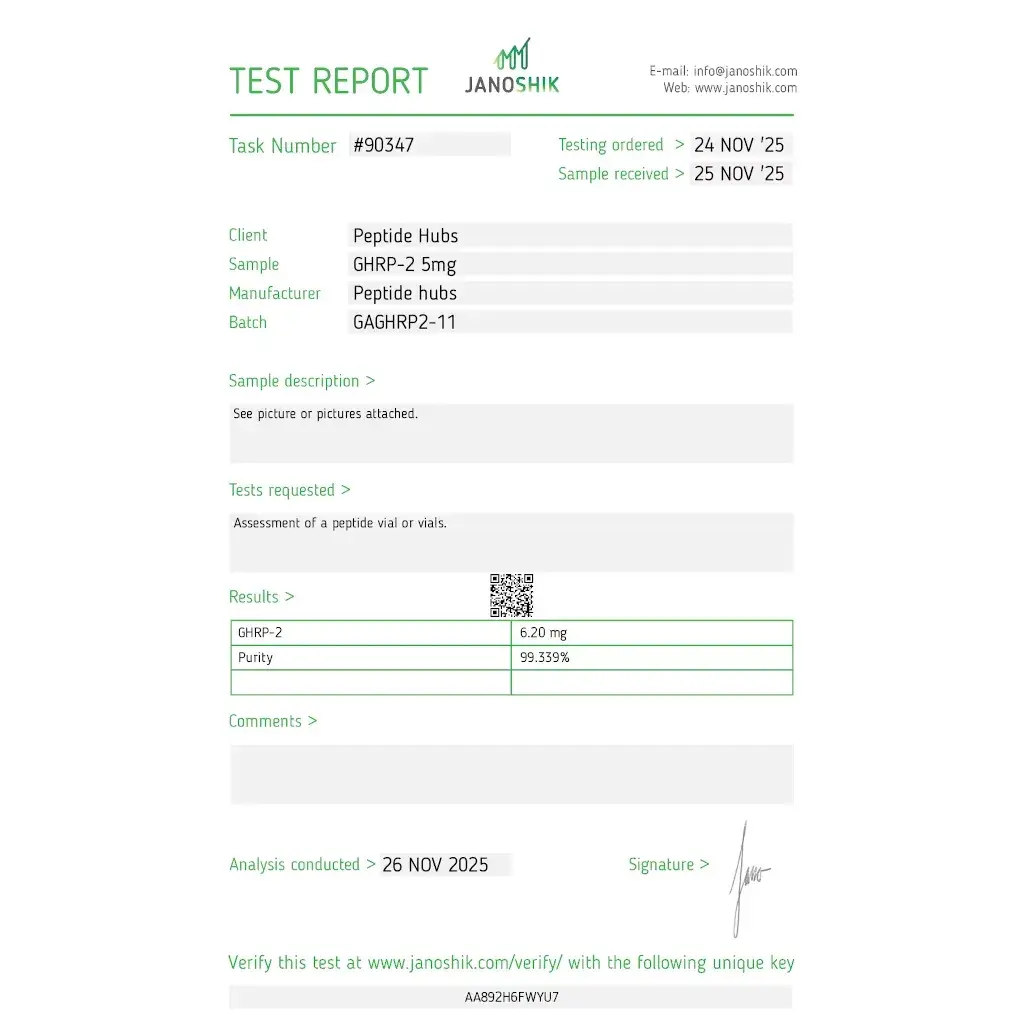
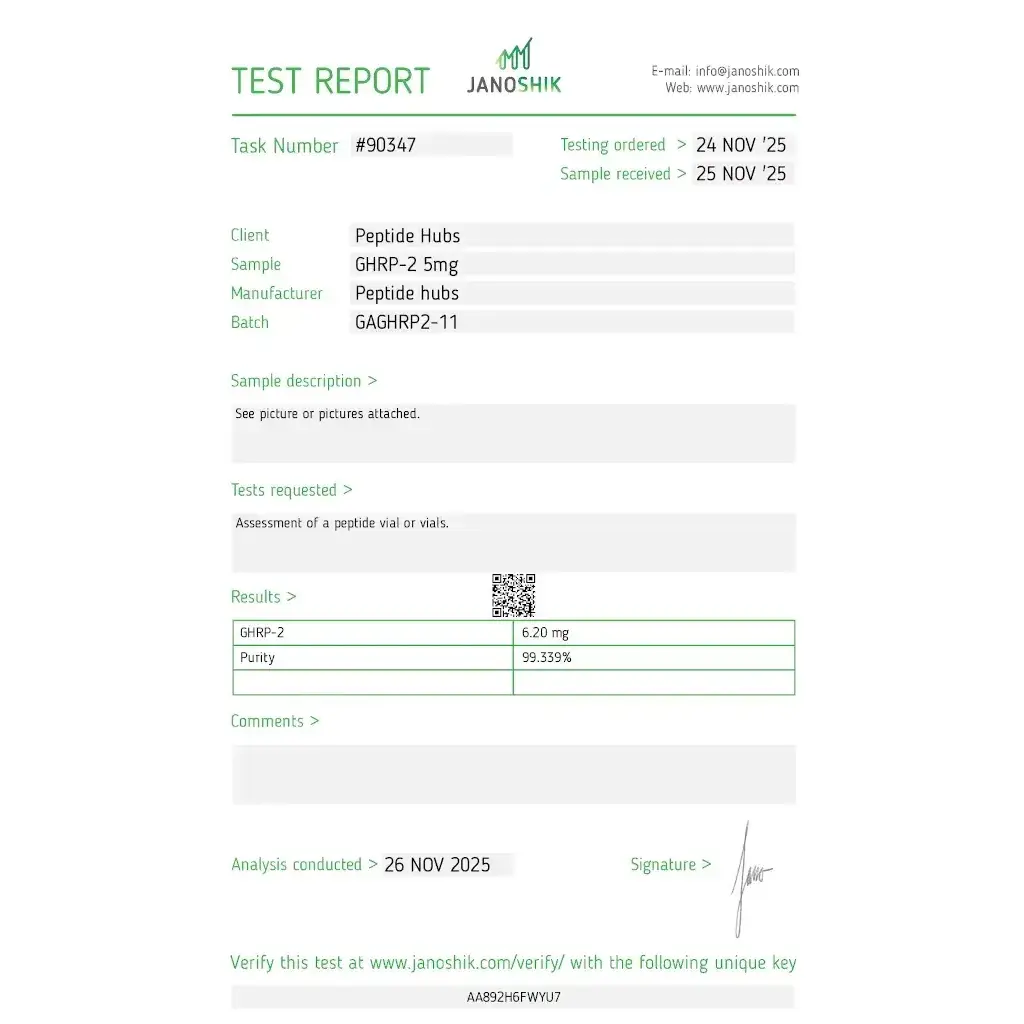
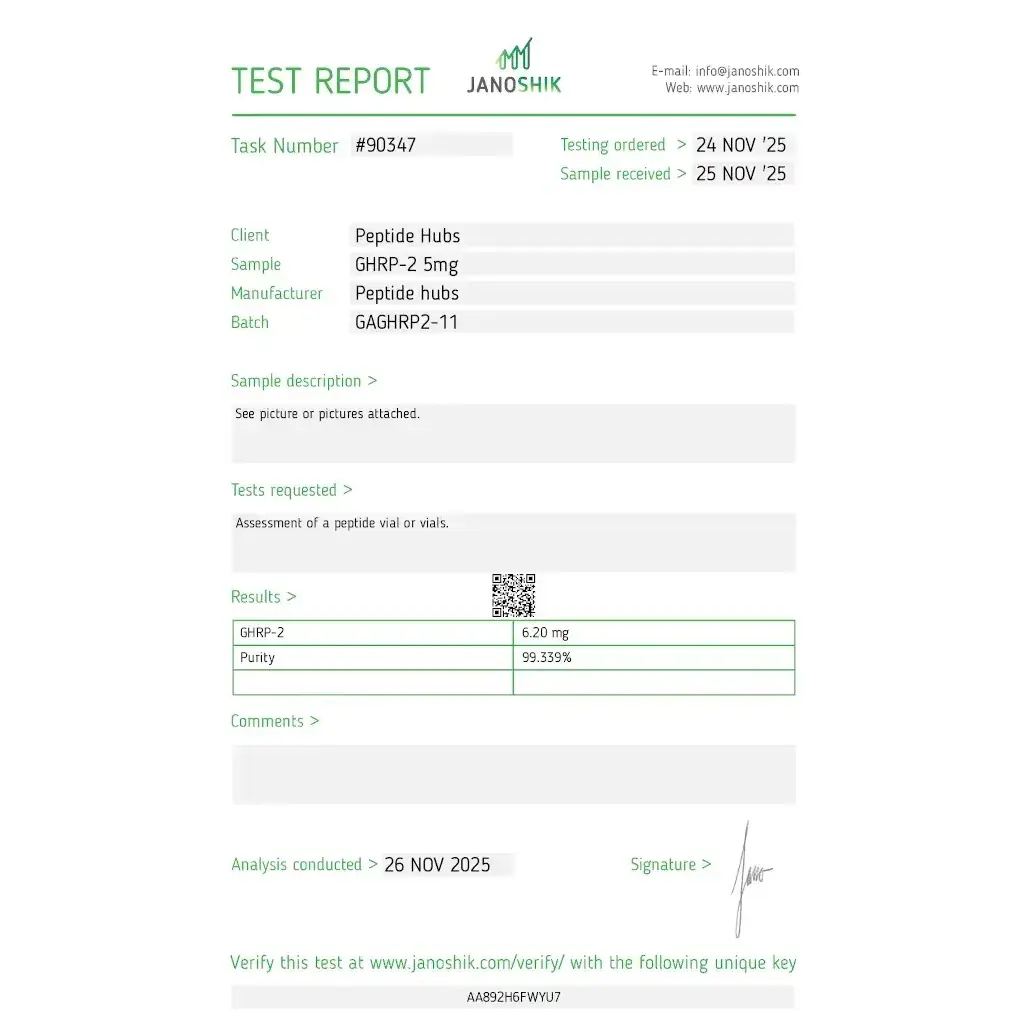
Laboratory Tested: View Lab Result
USA Domestic: 2-7 Days Delivery
International: 5-20 Days Delivery
GHRP-2 (Growth Hormone Releasing Peptide-2) is a powerful synthetic hexapeptide presented as a 5 mg lyophilized powder. As a second-generation ghrelin receptor (GHS-R1a) agonist, GHRP-2 is renowned in research for its potent and reliable stimulation of endogenous growth hormone (GH) secretion, coupled with significant appetite stimulation. An independent third-party lab test confirms an exceptional purity of 6.20 mg per vial—a substantial overfill demonstrating high-quality manufacturing. For bodybuilders and athletes engaged in performance research, GHRP-2 offers a robust model for investigating rapid increases in GH levels to support muscle growth, fat loss, and recovery, while its hunger-inducing properties make it a unique subject for studies on mass-gaining phases and metabolic regulation.
Each sterile 2 mL vial contains 5 mg of synthetic GHRP-2 with the sequence: D-Ala-D-β-Nal-Ala-Trp-D-Phe-Lys-NH2. This hexapeptide features D-amino acid substitutions that protect it from enzymatic degradation, significantly increasing its half-life and potency compared to the first-generation GHRP-6. The product is supplied as a pure, white lyophilized powder without additives, requiring reconstitution with bacteriostatic water before research use. This stable formulation ensures consistent and potent activity in investigative protocols.
In research models, GHRP-2 demonstrates powerful anabolic and metabolic effects. Its primary investigational benefits include: potent stimulation of pulsatile growth hormone release, leading to increased IGF-1 levels that support protein synthesis and muscle growth; enhanced lipolysis (fat breakdown) and metabolic rate, contributing to improved body composition; accelerated recovery from training through GH-mediated repair of muscle tissue and connective structures; significant increase in appetite, which can be leveraged in research on bulking phases or conditions of low food intake; and potential improvements in sleep quality and immune function linked to GH pulses. For researchers studying performance enhancement, GHRP-2 provides a reliable and strong GH secretagogue with predictable effects.
While a research chemical, GHRP-2 and related analogs have been studied for growth hormone deficiency, cachexia (wasting syndromes), and conditions benefiting from increased appetite and anabolism. It acts as a synthetic mimetic of ghrelin, the "hunger hormone," by binding to and activating the ghrelin receptor on pituitary somatotrophs and in the hypothalamus. This triggers a powerful release of stored GH. The science of ghrelin receptor agonists is well-documented, with resources from the National Institutes of Health (NIH) detailing their role in GH secretion and energy homeostasis.
GHRP-2 works by selectively and potently binding to the Growth Hormone Secretagogue Receptor (GHS-R1a), also known as the ghrelin receptor. This binding activates the inositol phosphate (IP3) signaling pathway within pituitary cells, leading to a rapid influx of calcium and the exocytosis of pre-formed growth hormone vesicles. Unlike GHRH analogs (like CJC-1295) that work through the cAMP pathway, GHRP-2 provides the strong "trigger" for GH release. It also acts centrally in the brain to stimulate appetite by affecting neuropeptide Y (NPY) and agouti-related protein (AgRP) neurons in the hypothalamus. Its D-amino acid structure makes it resistant to dipeptidyl peptidase IV (DPP-IV) degradation, enhancing its stability and duration of action.
Research protocols for GHRP-2 typically use microgram dosing multiple times per day to mimic natural GH pulses. Common investigative doses range from 100 mcg to 300 mcg per administration, administered via subcutaneous injection. It is often used 2-3 times daily: upon waking, post-workout, and before bedtime. The pre-bed dose is particularly important to amplify the body's largest natural nocturnal GH pulse. When stacked with a GHRH analog like CJC-1295 No DAC, doses are often matched (e.g., 100-200 mcg of each). Research cycles generally last 8-16 weeks.
Research dosing for female subjects generally follows similar protocols, though some studies initiate at the lower end of the range (e.g., 100 mcg per dose) due to potentially higher sensitivity. The significant appetite stimulation can be a more pronounced effect in research settings and should be accounted for in study design. As with all peptides, careful observation and documentation of responses are essential.
GHRP-2 has a plasma half-life of approximately 30-60 minutes, which is longer than GHRP-6 due to its D-amino acid modifications. The resulting GH pulse elevates growth hormone levels for about 90-120 minutes post-injection. This pharmacokinetic profile supports a research dosing schedule of 2-3 times per day to create multiple, sharp GH pulses that mimic the natural secretory pattern of a young, healthy individual.
The most common research observations are directly related to its mechanism: significant hunger shortly after injection (peaking around 20-30 minutes), and transient flushing, warmth, or mild headache associated with the GH pulse. Unlike GHRP-6, GHRP-2 has a more favorable profile regarding cortisol and prolactin elevation, though minor increases can occur at higher doses. Injection site reactions are possible but uncommon with proper technique. The hunger side effect is a key differentiator and a primary research consideration.
GHRP-2 is contraindicated in research involving subjects with active neoplasms (cancers), as GH can promote cell growth. Caution is advised in research designs with subjects who have diabetes or insulin resistance, due to GH's anti-insulin effects. Its potent appetite stimulation may be undesirable in studies focused on fat loss. It should not be used in subjects with known hypersensitivity. GHRP-2 is for laboratory research use only.
Exceeding research-level doses can amplify side effects, leading to more intense hunger, flushing, headache, or nausea. Chronic extremely high doses could theoretically contribute to symptoms of acromegaly (joint pain, swelling) due to sustained high GH/IGF-1. The peptide's relatively short half-life limits the duration of a single overdosage event. Adherence to microgram dosing (100-300 mcg) is critical for safe and effective research.
GHRP-2 is most powerfully researched in combination with a GHRH analog for synergistic GH release. It also stacks well with other performance and recovery peptides:
These stacks allow for nuanced research into the somatotropic axis and its manipulation.
The product is supplied as one sterile glass vial containing 5 mg of GHRP-2 as a white lyophilized powder. The vial is sealed with a rubber stopper and aluminum crimp to ensure sterility. Packaging is discreet and secure.
For long-term stability, store the lyophilized powder at or below -20°C (-4°F). For short-term use, refrigeration at 2-8°C (36-46°F) is acceptable. After reconstitution with bacteriostatic water, the solution must be refrigerated and used within 7-10 days to maintain the peptide's potency, as it can degrade in solution over time.
The development and pharmacology of GHRP-2 are documented in endocrine and peptide literature. Key references include studies comparing the efficacy and side effect profiles of various GHRPs (GHRP-6, GHRP-2, Hexarelin, Ipamorelin). Researchers should consult this comparative literature to understand GHRP-2's position as a potent, reliable, but hunger-stimulating member of the GHRP class, and to design studies that appropriately account for its distinctive effects.
The main differences are potency, side effect profile, and structure. GHRP-2 is more potent at stimulating GH release milligram-for-milligram and has D-amino acid substitutions that make it more stable with a longer half-life. It causes significant hunger but typically has less effect on cortisol and prolactin than GHRP-6. GHRP-6 is slightly less potent, causes even more intense hunger, and is more likely to increase cortisol and prolactin. GHRP-2 is often considered a more refined, second-generation version for research purposes.
Yes. Peptide Hubs GHRP-2 is independently verified by a third-party lab test (November 2025), showing a content of 6.20 mg per 5 mg vial. This 24% overfill demonstrates both high purity and generous manufacturing, ensuring researchers receive a reliably potent and accurately dosed product for their studies on growth hormone secretion and appetite regulation.
In research settings, GHRP-2 is known to cause pronounced hunger, typically starting 15-20 minutes after injection and peaking around 30 minutes. This effect can be substantial and is a key characteristic of the peptide. It makes GHRP-2 a valuable subject for studies on appetite stimulation, mass-gaining phases, or conditions like cachexia, but it may be a confounding variable in research strictly focused on fat loss where increased calorie intake is undesirable.
Due to its half-life, GHRP-2 is typically researched with 2-3 daily subcutaneous injections to create multiple GH pulses. Common times are upon waking (fasted), post-workout, and 30-60 minutes before bedtime. The pre-bed dose is critical to synergize with the natural nocturnal GH surge. Doses usually range from 100-300 mcg per injection. It is most powerful when stacked with a GHRH analog like CJC-1295 No DAC at a similar dose.
Yes, the growth hormone released in response to GHRP-2 has well-documented anabolic and reparative effects. GH stimulates collagen synthesis, protein turnover, and cell proliferation. Therefore, research on GHRP-2 can investigate its potential to accelerate healing of muscle tears, tendon injuries, and bone fractures. However, its strong appetite stimulation must be considered in the study design, as nutritional intake is also a major factor in recovery.
Please log in to write GHRP-2 5 mg review.
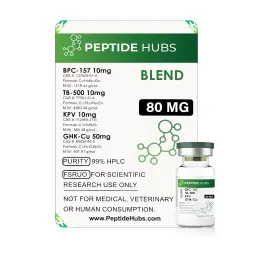
Research Peptide Blend
Active Substances:
- Ac-KPV-NH2 10 mg
- BPC 157 10 mg
- TB 500 10 mg
- GHK-Cu 50 mg
Manufacturer: Peptide Hubs
Unit: 2 mL Vial (80 mg/vial)
Form: Lyophilized Powder
Laboratory Tested: View Lab Result
USA Domestic: 2-7 Days Delivery
International: 5-20 Days Delivery
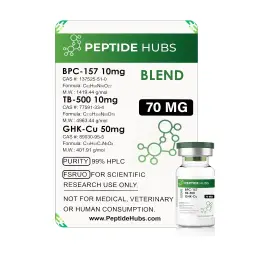
Advanced Healing & Recovery Blend
Active Substances:
- BPC-157 10 mg
- TB-500 10 mg
- GHK-Cu 50 mg
Manufacturer: Peptide Hubs
Unit: 2 mL Vial (70 mg total blend)
Form: Lyophilized Powder
Laboratory Tested: View Lab Result
USA Domestic: 2-7 Days Delivery
International: 5-20 Days Delivery
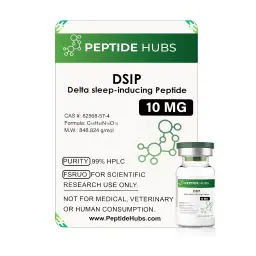
Neuropeptide
Active Substance: DSIP (Delta Sleep-Inducing Peptide)
Manufacturer: Peptide Hubs
Unit: 2 mL Vial (10 mg/vial)
Form: Lyophilized Powder
USA Domestic: 2-7 Days Delivery
International: 5-20 Days Delivery
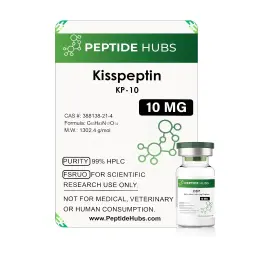
Neuropeptide (GnRH Secretagogue)
Active Substance: Kisspeptin-10
Manufacturer: Peptide Hubs
Unit: 2 mL Vial (10 mg/vial)
Form: Lyophilized Powder
USA Domestic: 2-7 Days Delivery
International: 5-20 Days Delivery

Research Peptide/Fat Loss Peptide
Active Substance: Adipotide (FTPP)
Manufacturer: Peptide Hubs
Unit: 2 mL Vial (10 mg/vial)
Form: Lyophilized Powder
Laboratory Tested: View Lab Result
USA Domestic: 2-7 Days Delivery
International: 5-20 Days Delivery
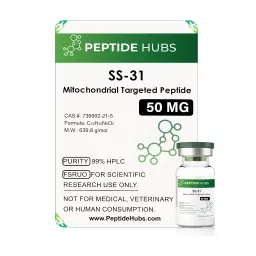
Mitochondrial-Targeted Tetrapeptide
Active Substance: SS-31 (Elamipretide)
Brand: Peptide Hubs
Unit: 2 mL Vial (50 mg/vial)
Form: Lyophilized Powder
USA Domestic: 2-7 Days Delivery
International: 5-20 Days Delivery

Immunomodulatory Peptide
Active Substance: Thymosin Alpha-1
Brand: Peptide Hubs
Unit: 2 mL Vial (10 mg/vial)
Form: Lyophilized Powder
Laboratory Tested: View Lab Result
USA Domestic: 2-7 Days Delivery
International: 5-20 Days Delivery
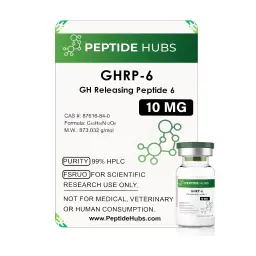
Growth Hormone Releasing Peptide
Active Substance: GHRP-6 (His-D-Trp-Ala-Trp-D-Phe-Lys-NH2)
Manufacturer: Peptide Hubs
Unit: 2 mL Vial (10 mg/vial)
Form: Lyophilized Powder
USA Domestic: 2-7 Days Delivery
International: 5-20 Days Delivery