Cellular Coenzyme
Active Substance: Nicotinamide Adenine Dinucleotide
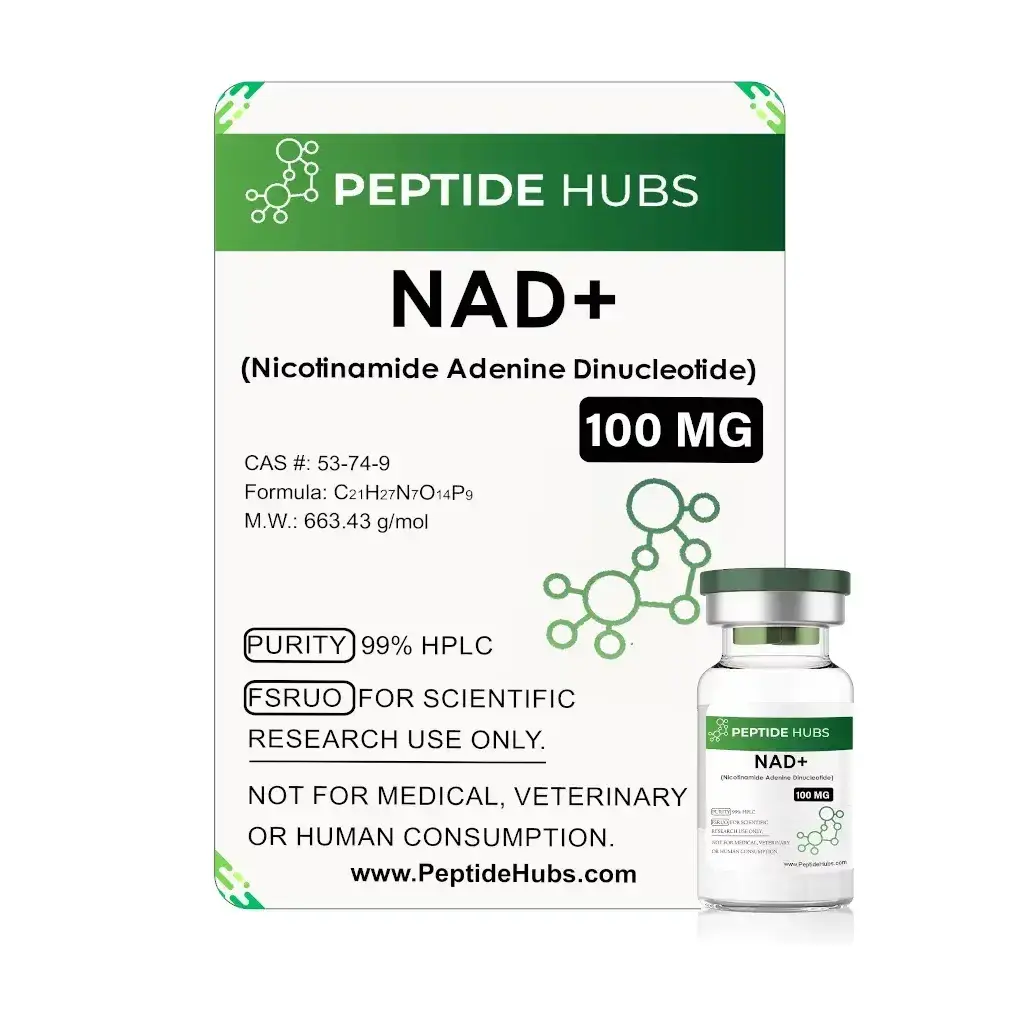
Manufacturer: Peptide Hubs
Unit: 2 mL Vial (100 mg/vial)
Form: Lyophilized Powder
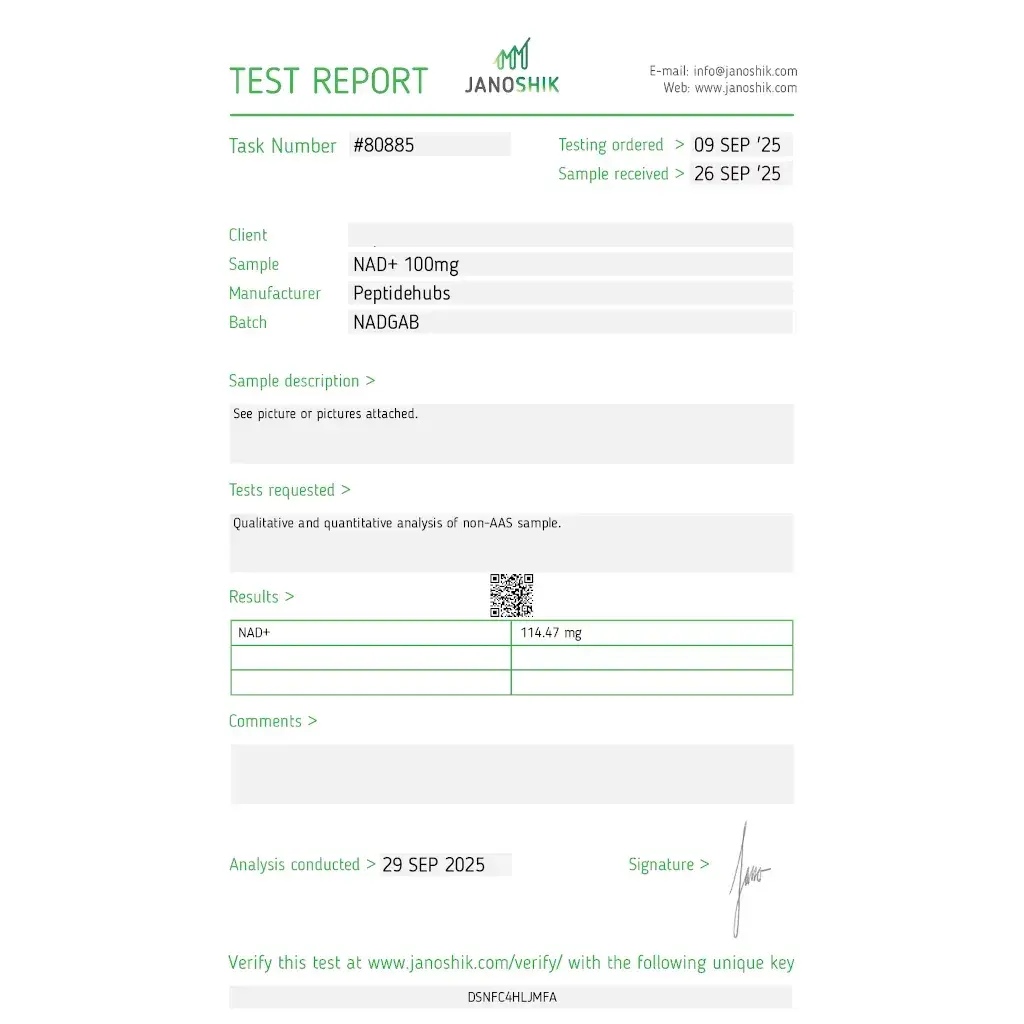
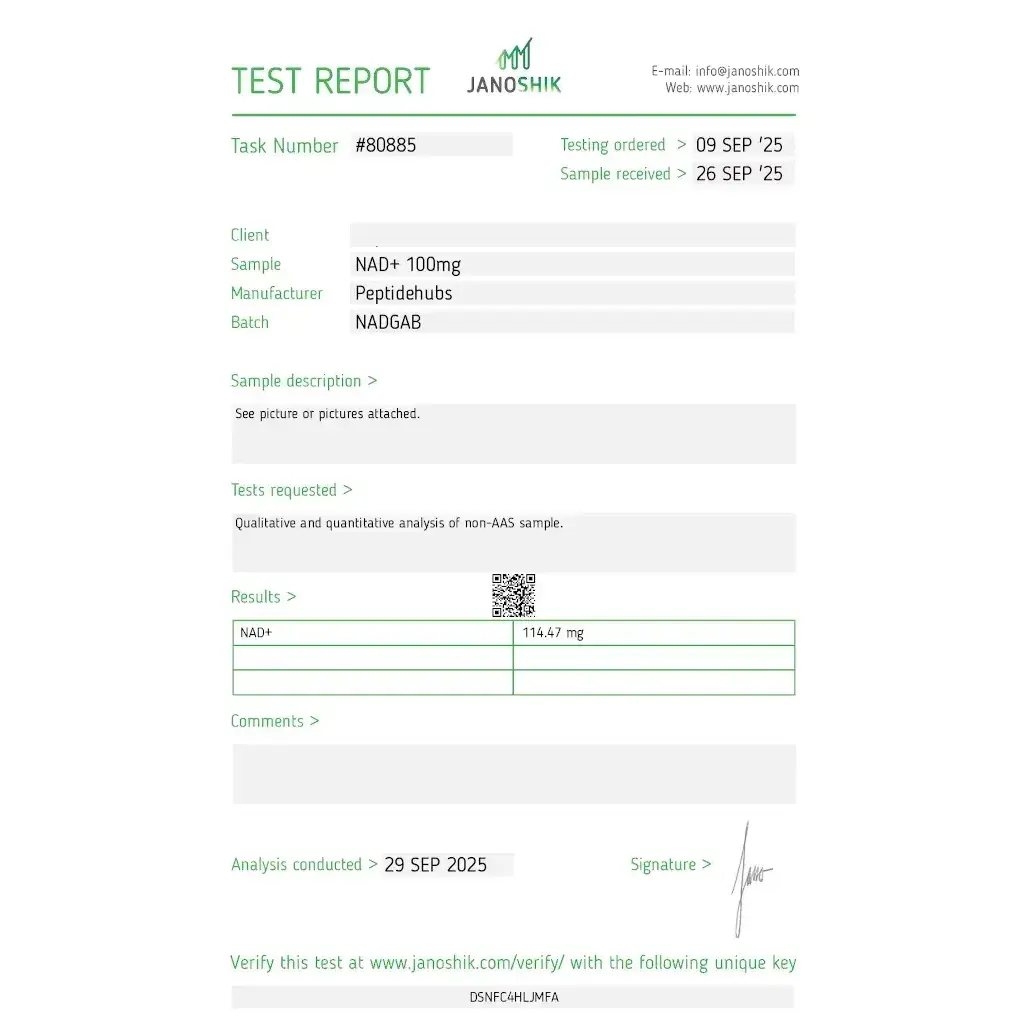
Laboratory Tested: View Lab Result
USA Domestic: 2-7 Days Delivery
International: 5-20 Days Delivery
Nicotinamide Adenine Dinucleotide (NAD+) by Peptide Hubs represents a fundamental research compound in cellular biochemistry, offered as a 100 mg lyophilized powder in a sterile 2 mL vial. As an essential coenzyme present in all living cells, NAD+ plays critical roles in energy metabolism, DNA repair, cellular signaling, and aging processes. This high-purity formulation, independently verified at 114.47 mg content, provides researchers with a precisely quantified tool for investigating mitochondrial function, metabolic pathways, and cellular resilience mechanisms. Manufactured under stringent pharmaceutical-grade conditions, Peptide Hubs NAD+ offers unparalleled quality for advanced biochemical and cellular research applications.
Each vial contains 100 mg of high-purity β-Nicotinamide Adenine Dinucleotide with the following specifications:
The molecular structure consists of two nucleotides joined through their phosphate groups: one nucleotide contains an adenine base, while the other contains nicotinamide. This specific configuration enables NAD+ to function as a hydride acceptor in redox reactions central to cellular energy production.
In controlled research settings, NAD+ presents crucial areas of scientific investigation:
While this product is for research use only, scientific literature provides important context for NAD+'s biological significance. According to a comprehensive review in Cell Metabolism, NAD+ metabolism intersects with nearly all major cellular processes and its decline is a fundamental feature of aging across species. Further research published in Nature Reviews Molecular Cell Biology details how NAD+ functions not only as a redox cofactor but also as a substrate for signaling enzymes including sirtuins and PARPs that regulate stress resistance, metabolism, and longevity. These established research foundations make NAD+ an indispensable tool for investigating cellular health, metabolic regulation, and aging mechanisms.
Important: The following information is derived from published research and should only guide experimental design in appropriate research models. Always consult institutional protocols.
NAD+ exhibits unique pharmacokinetic properties that influence research design:
Researchers should monitor for expected biological responses consistent with NAD+ biology:
This product is for laboratory research use only. Researchers should:
Administration significantly above established research parameters may produce metabolic disturbances including altered glucose homeostasis, potential liver enzyme changes, or disrupted redox balance that could compromise animal welfare and study validity. Researchers should establish careful dose-escalation protocols and monitor metabolic parameters closely, particularly in chronic administration studies. Emergency procedures should include metabolic monitoring capabilities and supportive care protocols for research models experiencing metabolic disturbances.
For comprehensive metabolic and longevity research, NAD+ may be studied alongside other Peptide Hubs products in controlled experimental designs. Researchers might investigate combinations such as:
These research combinations should only be conducted by qualified investigators following appropriate experimental designs, ethical guidelines, and institutional approvals, with particular attention to metabolic monitoring and comprehensive endpoint assessments.
Each research unit arrives in specialized packaging designed for coenzyme stability:
Due to NAD+'s sensitivity to environmental factors, specific storage conditions are essential:
The central role of NAD+ in cellular metabolism represents one of biochemistry's most fundamental principles, with research applications spanning from basic science to translational medicine. As detailed in extensive scientific literature, NAD+ serves as an essential redox carrier in over 400 enzymatic reactions while simultaneously functioning as a signaling molecule and enzyme substrate. The declining NAD+ levels observed during aging across multiple species have established it as a key biomarker and potential intervention target in aging research. Peptide Hubs maintains exceptional quality standards for this critical research compound, as demonstrated by the September 29, 2025 laboratory verification showing 114.47 mg content (114.5% of labeled amount) in the 100 mg vial. This commitment to accuracy and transparency ensures researchers receive materials of precisely documented composition for investigations into cellular energy, metabolism, aging, and resilience mechanisms. The high-purity formulation specifically preserves the oxidized (NAD+) redox state required for many research applications, distinguishing it from reduced forms (NADH) with different biochemical properties and research utilities.
The independent laboratory analysis conducted on September 29, 2025, confirms the NAD+ vial contains 114.47 mg of active content against the labeled 100 mg, representing a 114.5% purity rating that exceeds standard quality specifications. This exceptional verification ensures researchers receive accurately dosed materials for investigations into cellular energy metabolism, aging mechanisms, and biochemical pathways dependent on this essential coenzyme.
NAD+ (oxidized form) and NADH (reduced form) represent different redox states of the same coenzyme with distinct research applications. NAD+ primarily functions as an electron acceptor in catabolic reactions (glycolysis, Krebs cycle), serves as substrate for PARPs and sirtuins, and is the predominant form in cellular signaling research. NADH functions as an electron donor in oxidative phosphorylation and anabolic processes. Researchers should select based on their specific experimental needs: NAD+ for studies on aging, DNA repair, and cellular signaling; NADH for investigations focused on energy production and reductive biosynthesis. This Peptide Hubs product contains the oxidized NAD+ form.
NAD+ is central to aging research because levels naturally decline with age across species, contributing to mitochondrial dysfunction, metabolic alterations, and cellular senescence. It serves as an essential cofactor for sirtuins (SIRT1-7), NAD+-dependent deacetylases that regulate stress resistance, metabolism, and longevity pathways. Additionally, NAD+ is required for PARP-mediated DNA repair and influences circadian rhythms, inflammation, and stem cell function—all processes implicated in aging. Research shows NAD+ replenishment can improve mitochondrial function, enhance stress resistance, and extend healthspan in various model organisms, making it a critical compound for aging mechanism investigations.
Reconstitute the 100 mg vial with 2 mL of sterile phosphate-buffered saline (pH 7.4) or cell culture-grade water to yield 50 mg/mL. For in vivo research, typical doses range from 100-500 mg/kg daily via intraperitoneal or subcutaneous injection, with exact parameters dependent on species, age, and research objectives. For cell culture studies, use concentrations of 0.1-10 mM in media. Due to NAD+'s rapid degradation in solution (half-life ~15-30 minutes), prepare fresh for each application, administer promptly, and minimize light exposure throughout handling. Always follow institutional protocols and consider NAD+'s pharmacokinetics in experimental design.
NAD+ requires strict storage conditions due to sensitivity to light, heat, moisture, and oxygen: Store unreconstituted vials at -20°C (-4°F) in original packaging with desiccant and oxygen absorber. Short-term storage at 2-8°C (36-46°F) is acceptable for up to 7 days. Protect from light at all times—amber vials are provided. Once reconstituted, use immediately or store at 2-8°C for no more than 6 hours. Never freeze reconstituted solution. Monitor for color changes (yellowing indicates degradation). Properly stored lyophilized powder maintains stability for 12 months.
Yes, NAD+ can be studied alongside complementary compounds to investigate synergistic effects in metabolic and aging research. Common research combinations include: with higher-dose NAD+ (500 mg) for dose-response studies; with MOTS-c for mitochondrial signaling investigations; with SS-31 for mitochondrial function research; with Pinealon for cellular stress resistance studies; or with Semax for neuroprotection research. These combinations allow investigation of complementary pathways affecting cellular energy, stress resistance, and aging processes. All combinations should be studied by qualified researchers following appropriate protocols with careful metabolic and physiological monitoring.
Please log in to write NAD+ 100 mg review.
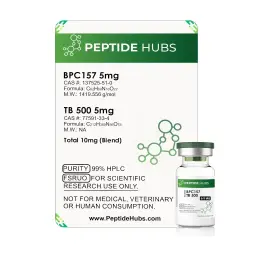
Synergistic Healing Peptide Blend
Active Substances:
- TB-500 (5 mg)
- BPC-157 (5 mg)
Brand: Peptide Hubs
Unit: 2 mL Vial (10 mg total/vial)
Form: Lyophilized Powder
Laboratory Tested: View Lab Result
USA Domestic: 2-7 Days Delivery
International: 5-20 Days Delivery
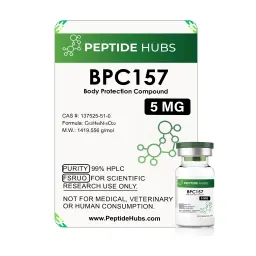
Research Peptide/Healing Peptide
Active Substance: Pentadecapeptide
Manufacturer: Peptide Hubs
Unit: 2 mL Vial (5 mg/vial)
Form: Lyophilized Powder
Laboratory Tested: View Lab Result
USA Domestic: 2-7 Days Delivery
International: 5-20 Days Delivery
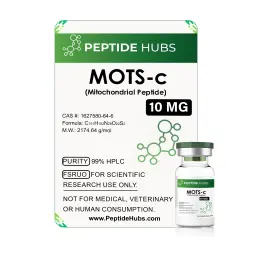
Mitochondrial Peptide
Active Substance: MOTS-c
Manufacturer: Peptide Hubs
Unit: 2 mL Vial (10 mg/vial)
Form: Lyophilized Powder
Laboratory Tested: View Lab Results
USA Domestic: 2-7 Days Delivery
International: 5-20 Days Delivery
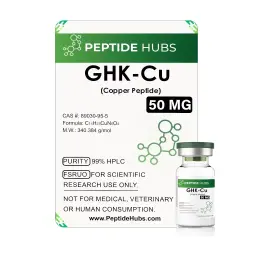
Copper Peptide Complex
Active Substance: GHK-Cu (Glycyl-L-Histidyl-L-Lysine Copper Complex)
Manufacturer: Peptide Hubs
Unit: 2 mL Vial (50 mg/vial)
Form: Lyophilized Powder
Laboratory Tested: View Lab Result
USA Domestic: 2-7 Days Delivery
International: 5-20 Days Delivery
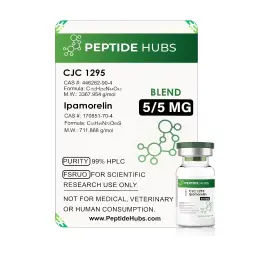
Growth Hormone Secretagogue Blend
Active Substances:
- CJC-1295 No DAC 5 mg
- Ipamorelin 5 mg
Manufacturer: Peptide Hubs
Unit: 2 mL Vial (10 mg total)
Form: Lyophilized Powder
Laboratory Tested: View Lab Result
USA Domestic: 2-7 Days Delivery
International: 5-20 Days Delivery
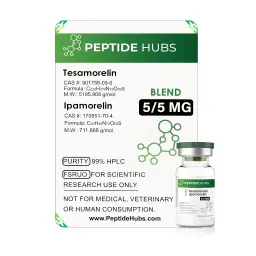
Synergistic GHRH & GHRP Peptide Blend
Active Substances:
- Tesamorelin (5 mg)
- Ipamorelin (5 mg)
Brand: Peptide Hubs
Unit: 2 mL Vial (10 mg total/vial)
Form: Lyophilized Powder
Laboratory Tested: View Lab Result
USA Domestic: 2-7 Days Delivery
International: 5-20 Days Delivery