Pegylated Growth Factor
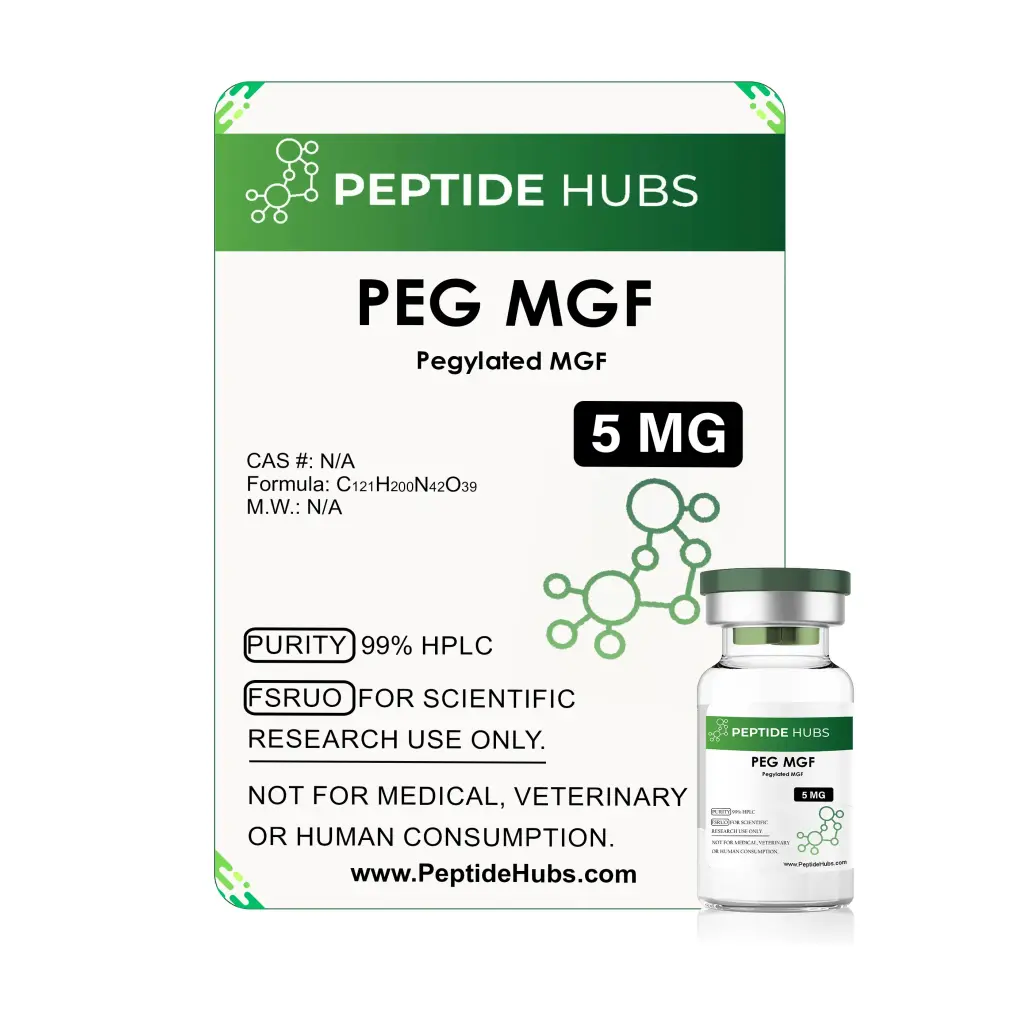
Active Substance: Pegylated Mechano Growth Factor
Manufacturer: Peptide Hubs
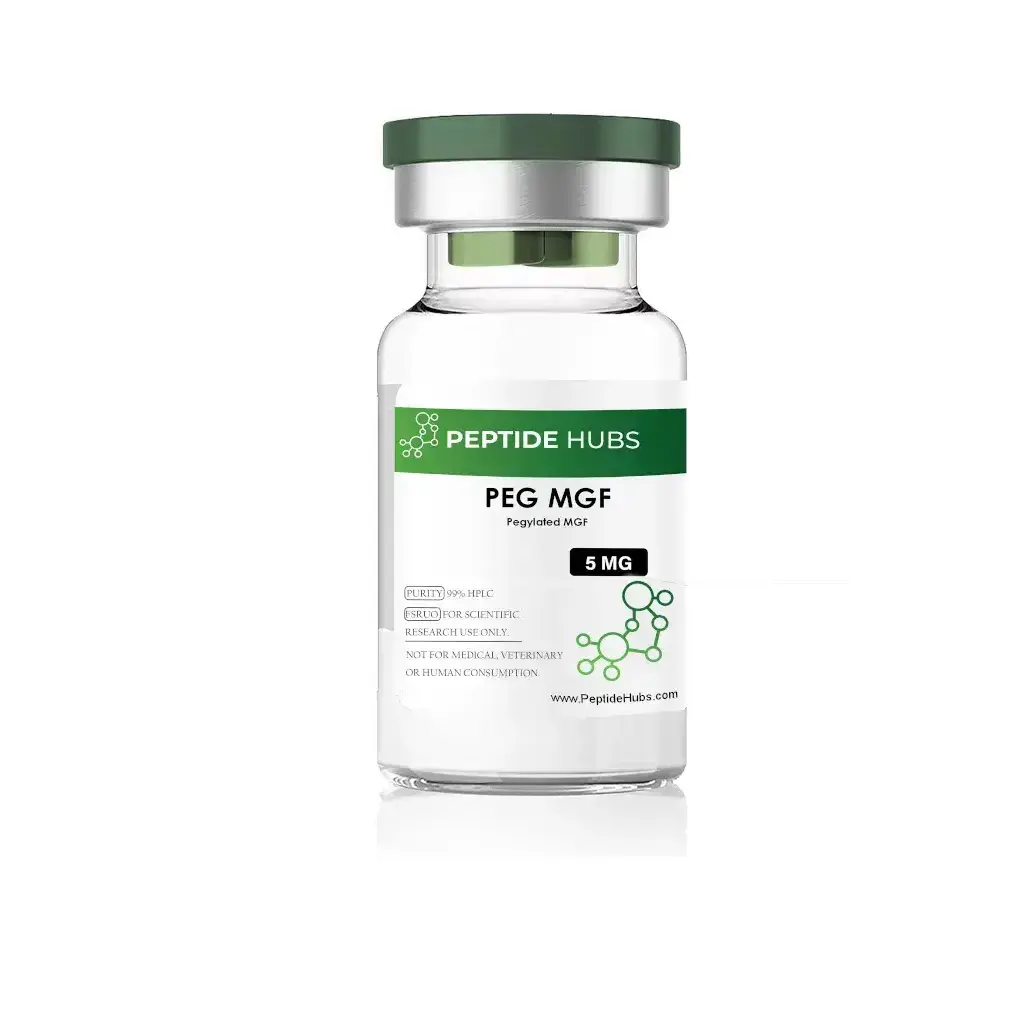
Unit: 2 mL Vial (5 mg/vial)
Form: Lyophilized Powder
Laboratory Tested: View Lab Result
USA Domestic: 2-7 Days Delivery
International: 5-20 Days Delivery
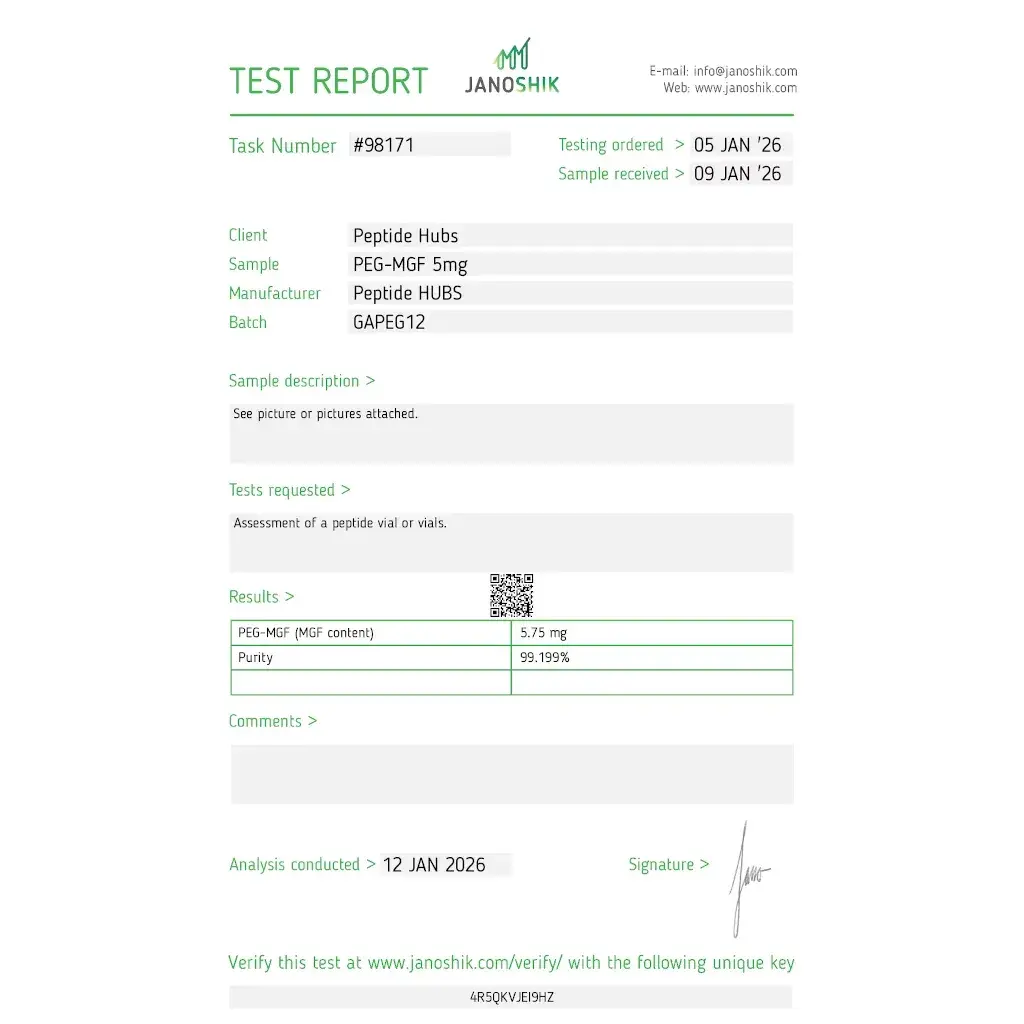
PEG MGF (Pegylated Mechano Growth Factor) by Peptide Hubs represents an advanced formulation in muscle and tissue research, presented as 5 mg of lyophilized pegylated peptide in a sterile 2 mL vial. This innovative modification of the naturally occurring IGF-1Ec isoform (also known as MGF) features polyethylene glycol (PEG) conjugation that significantly enhances its pharmacokinetic properties and research utility. Independently verified at 5.75 mg content (115% purity), this pharmaceutical-grade PEG MGF provides researchers with a precisely quantified tool for investigating muscle hypertrophy, satellite cell activation, and tissue repair mechanisms with extended activity duration compared to non-pegylated MGF.
Each vial contains 5 mg of high-purity pegylated mechano growth factor with enhanced properties:
The strategic 5 kDa PEG conjugation represents a significant advancement over standard MGF, providing researchers with a tool that overcomes the rapid clearance limitations of the native peptide while maintaining its unique muscle-specific activities.
PEG MGF enables sophisticated investigations across multiple research domains:
While this product is for research use only, scientific literature establishes the significance of pegylated growth factors. According to research published in The Journal of Biological Chemistry, MGF expression increases dramatically in response to mechanical stimuli and plays a crucial role in mechanotransduction and muscle adaptation. Further investigation in American Journal of Physiology-Endocrinology and Metabolism demonstrated that MGF activates satellite cells through distinct signaling pathways compared to systemic IGF-1 isoforms. The pegylation technology applied to MGF represents an important research advancement, as studies indicate PEG conjugation can extend peptide half-life from minutes to hours while maintaining biological activity. These scientific foundations establish PEG MGF as a valuable tool for investigating localized muscle growth, repair mechanisms, and exercise adaptation with enhanced pharmacokinetic properties.
Important: The following information is derived from published research and should only guide experimental design in appropriate research models. Always consult institutional protocols.
PEG conjugation dramatically alters MGF pharmacokinetics:
Researchers should monitor for biological responses consistent with mechano growth factor activity:
This product is for laboratory research use only. Researchers should:
Administration significantly above established research parameters may produce exaggerated musculoskeletal effects including disproportionate muscle growth, connective tissue strain, or metabolic disturbances that could compromise animal welfare and study validity. Researchers should establish careful dose-escalation protocols and implement comprehensive monitoring including muscle function assessments, metabolic panels, and histological evaluation. Emergency procedures should include capabilities for managing potential local reactions and systemic effects in research models receiving high PEG MGF doses.
For advanced musculoskeletal investigations, PEG MGF may be studied alongside other Peptide Hubs products:
These musculoskeletal research combinations should only be conducted by qualified investigators with appropriate expertise, following rigorous experimental designs, ethical guidelines, and institutional approvals specific to muscle biology research.
Each PEG MGF research unit features packaging optimized for pegylated compound stability:
PEG MGF requires specific storage conditions to maintain conjugate integrity:
The availability of high-purity PEG MGF represents a significant advancement for contemporary muscle research. Pegylation technology addresses the fundamental limitation of native MGF—its extremely short half-life—while preserving its unique muscle-specific activities. The January 12, 2026 laboratory verification showing 5.75 mg content (115% purity) in the 5 mg vial demonstrates exceptional manufacturing precision for this technically challenging pegylated peptide. This quality assurance is particularly critical for muscle research where precise dosing directly influences satellite cell activation and hypertrophy outcomes. PEG MGF enables researchers to investigate sustained mechano growth factor signaling without the impractical dosing schedules required with native MGF. By maintaining localized effects while extending activity duration, it bridges the gap between acute mechanical signaling and chronic adaptive responses. The product's availability through Peptide Hubs, with verified purity and accurate dosing, supports rigorous investigation into fundamental mechanisms of muscle plasticity, repair, and growth that have broad implications for sports science, rehabilitation medicine, and age-related muscle loss research.
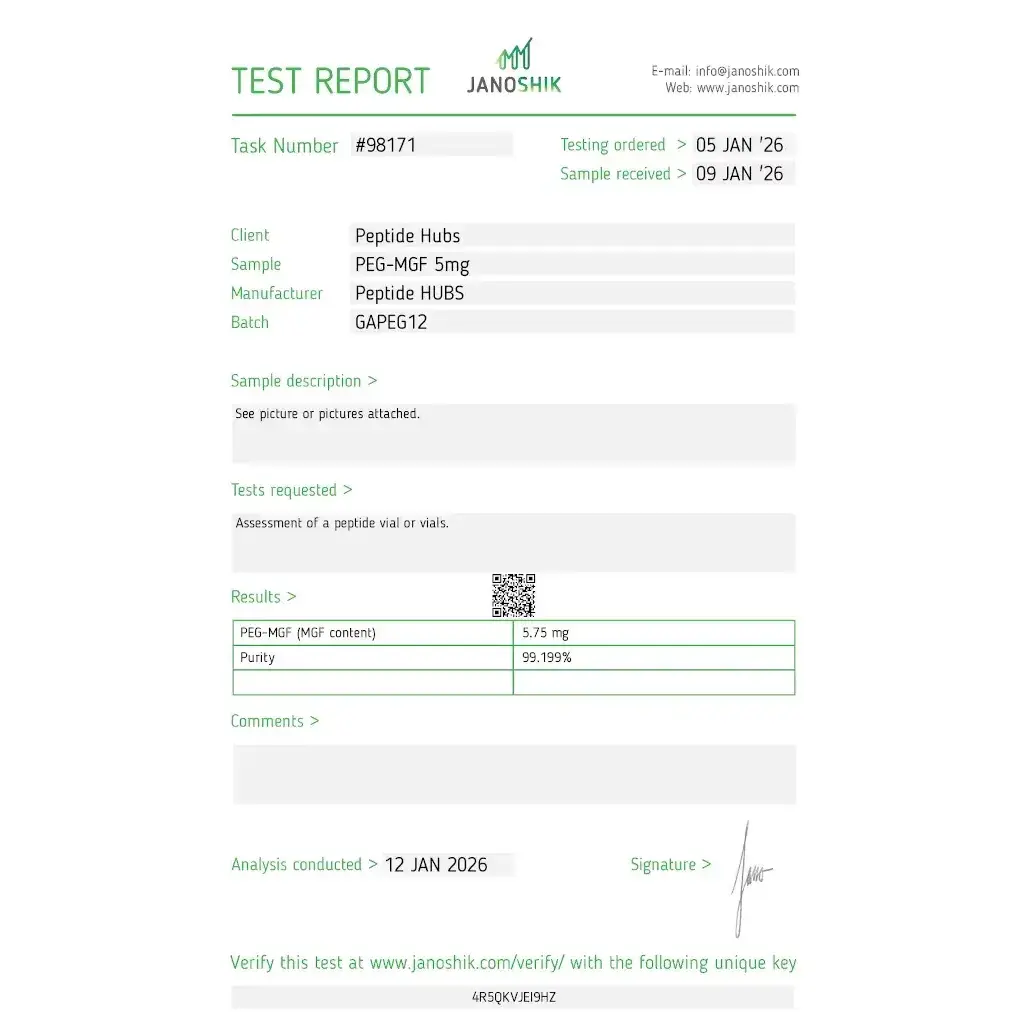
The independent laboratory analysis conducted on January 12, 2026, confirms the PEG MGF vial contains 5.75 mg of active pegylated peptide content against the labeled 5 mg, representing a 115% purity rating that exceeds standard quality specifications. This exceptional verification ensures muscle biology researchers receive accurately dosed materials for investigations into satellite cell activation, muscle hypertrophy, and tissue repair mechanisms requiring precise quantification of pegylated growth factor activity.
PEG MGF offers several research advantages: 1) Extended half-life (4-8 hours vs 5-10 minutes) enabling less frequent dosing; 2) Reduced renal clearance allowing sustained tissue exposure; 3) Enhanced metabolic stability against proteolytic degradation; 4) Potential decreased immunogenicity in chronic studies; 5) Improved solubility characteristics; 6) Altered tissue distribution favoring muscle accumulation; 7) Maintained biological activity despite pegylation; 8) Practical dosing schedules for chronic research protocols. These advantages make PEG MGF superior for studies requiring sustained mechano growth factor activity without impractical dosing intervals.
PEG MGF and IGF-1 LR3 have distinct research profiles: PEG MGF is the pegylated E-domain-containing IGF-1Ec isoform that acts locally at muscle tissue, primarily activating satellite cells through mechano-sensitive pathways with minimal systemic effects. IGF-1 LR3 is a modified systemic IGF-1 with enhanced binding protein independence that produces whole-body anabolic effects. Research applications differ: PEG MGF for localized muscle hypertrophy, satellite cell studies, and mechanotransduction research; IGF-1 LR3 for systemic growth effects, organ hypertrophy, and metabolic studies. They can be combined in research to investigate interactions between local and systemic growth factors.
Research utilizes several administration methods: 1) Intramuscular injection near target muscle groups for localized effects—this is the preferred route for muscle-specific studies; 2) Subcutaneous administration for systemic distribution investigations; 3) Intravenous for pharmacokinetic studies; 4) Local application in muscle explants or injury models. Intramuscular administration maximizes local muscle exposure while minimizing systemic effects. Due to pegylation, dosing frequency is typically reduced to every 2-3 days rather than daily. Proper injection technique is important to avoid local irritation and ensure consistent delivery.
Store at -20°C (-4°F) in original amber packaging; -80°C (-112°F) for long-term storage to preserve pegylation integrity. Avoid temperature fluctuations. Once reconstituted, use immediately; do not store reconstituted solution. If absolutely necessary, store at 2-8°C (36-46°F) for no more than 24 hours. Avoid freeze-thaw cycles; aliquot if multiple uses are anticipated. Properly stored lyophilized powder maintains stability for 18 months. For critical muscle studies, verify biological activity in pilot assays rather than relying solely on mass-based calculations after extended storage.
Key research endpoints include: 1) Satellite cell markers (Pax7, MyoD, myogenin activation); 2) Hypertrophy signaling (Akt/mTOR pathway phosphorylation); 3) Muscle morphology (fiber cross-sectional area, myonuclear number); 4) Functional measures (contractile properties, strength, fatigue resistance); 5) Repair metrics (regeneration timeline, fibrosis reduction); 6) Metabolic parameters (protein synthesis rates, glucose uptake); 7) Gene expression (muscle-specific genes, growth factor receptors); 8) Comparative effects vs non-pegylated MGF (duration, magnitude, frequency responses). Endpoint selection should align with specific research questions about muscle growth, repair, or adaptation mechanisms.
Please log in to write PEG MGF 5 mg review.
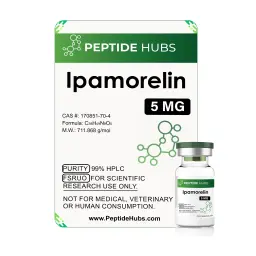
Selective Growth Hormone Releasing Peptide
Active Substance: Ipamorelin
Manufacturer: Peptide Hubs
Unit: 2 mL Vial (5 mg/vial)
Form: Lyophilized Powder
Laboratory Tested: View Lab Result
USA Domestic: 2-7 Days Delivery
International: 5-20 Days Delivery
Growth Factor/Anabolic Peptide
Active Substance: Long R3 Insulin-like Growth Factor-1
Manufacturer: Peptide Hubs
Unit: 2 mL Vial (1 mg/vial)
Form: Lyophilized Powder
USA Domestic: 2-7 Days Delivery
International: 5-20 Days Delivery
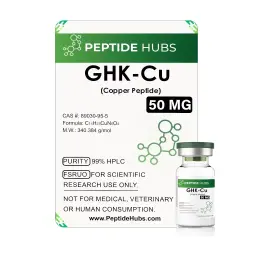
Copper Peptide Complex
Active Substance: GHK-Cu (Glycyl-L-Histidyl-L-Lysine Copper Complex)
Manufacturer: Peptide Hubs
Unit: 2 mL Vial (50 mg/vial)
Form: Lyophilized Powder
Laboratory Tested: View Lab Result
USA Domestic: 2-7 Days Delivery
International: 5-20 Days Delivery
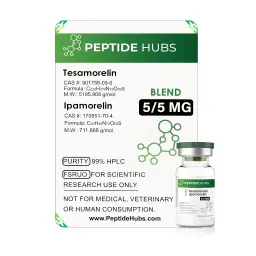
Synergistic GHRH & GHRP Peptide Blend
Active Substances:
- Tesamorelin (5 mg)
- Ipamorelin (5 mg)
Brand: Peptide Hubs
Unit: 2 mL Vial (10 mg total/vial)
Form: Lyophilized Powder
Laboratory Tested: View Lab Result
USA Domestic: 2-7 Days Delivery
International: 5-20 Days Delivery
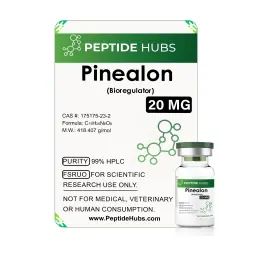
Synthetic Tripeptide
Active Substance: Pinealon (Glu-Asp-Arg)
Brand: Peptide Hubs
Unit: 2 mL Vial (20 mg/vial)
Form: Lyophilized Powder
USA Domestic: 2-7 Days Delivery
International: 5-20 Days Delivery
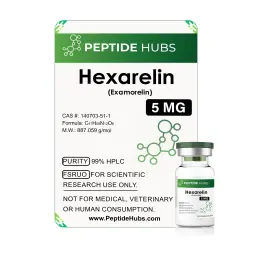
Growth Hormone Releasing Peptide
Active Substance: Examorelin (Hexarelin)
Manufacturer: Peptide Hubs
Unit: 2 mL Vial (5 mg/vial)
Form: Lyophilized Powder
Laboratory Tested: View Lab Result
USA Domestic: 2-7 Days Delivery
International: 5-20 Days Delivery
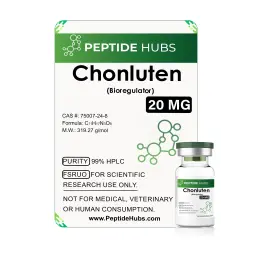
Research Peptide/Lung Bioregulator
Active Substance: Chonluten
Manufacturer: Peptide Hubs
Unit: 2 mL Vial (20 mg/vial)
Form: Lyophilized Powder
Laboratory Tested: View Lab Result
USA Domestic: 2-7 Days Delivery
International: 5-20 Days Delivery
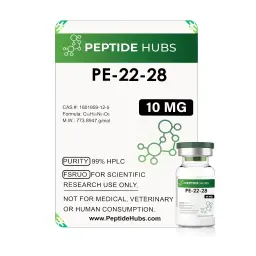
Neuropeptide Research Compound
Active Substance: PE 22-28 (PACAP fragment)
Manufacturer: Peptide Hubs
Unit: 2 mL Vial (10 mg/vial)
Form: Lyophilized Powder
Laboratory Tested: View Lab Result
USA Domestic: 2-7 Days Delivery
International: 5-20 Days Delivery