Neuropeptide Research Compound
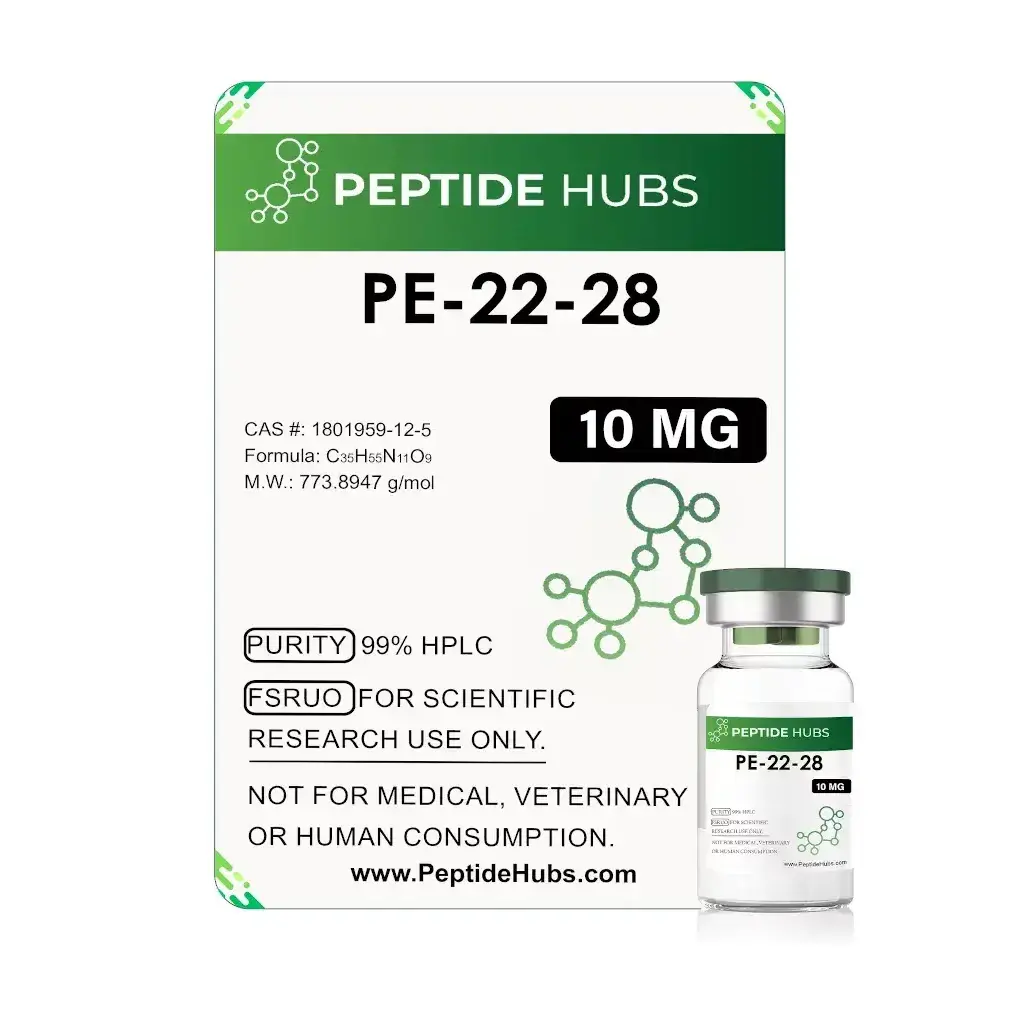
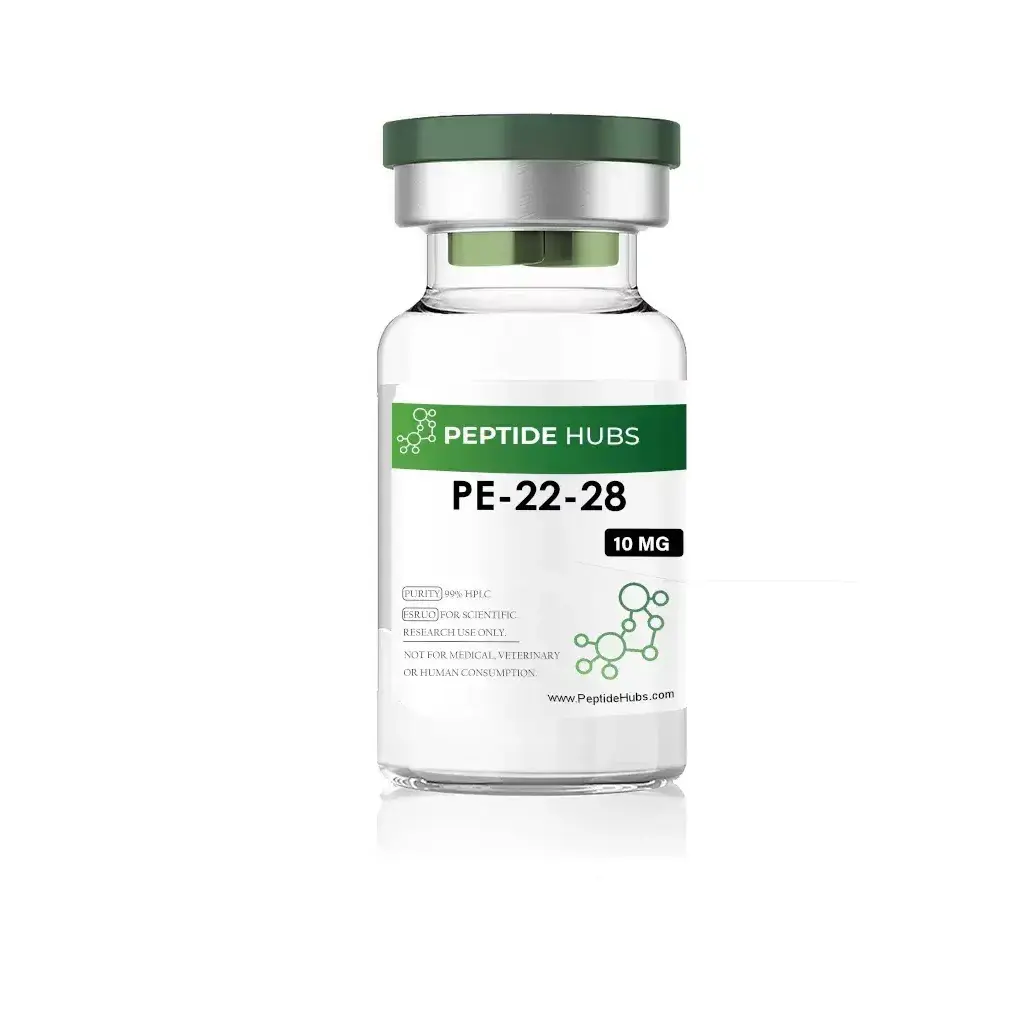
Active Substance: PE 22-28 (PACAP fragment)
Manufacturer: Peptide Hubs
Unit: 2 mL Vial (10 mg/vial)
Form: Lyophilized Powder
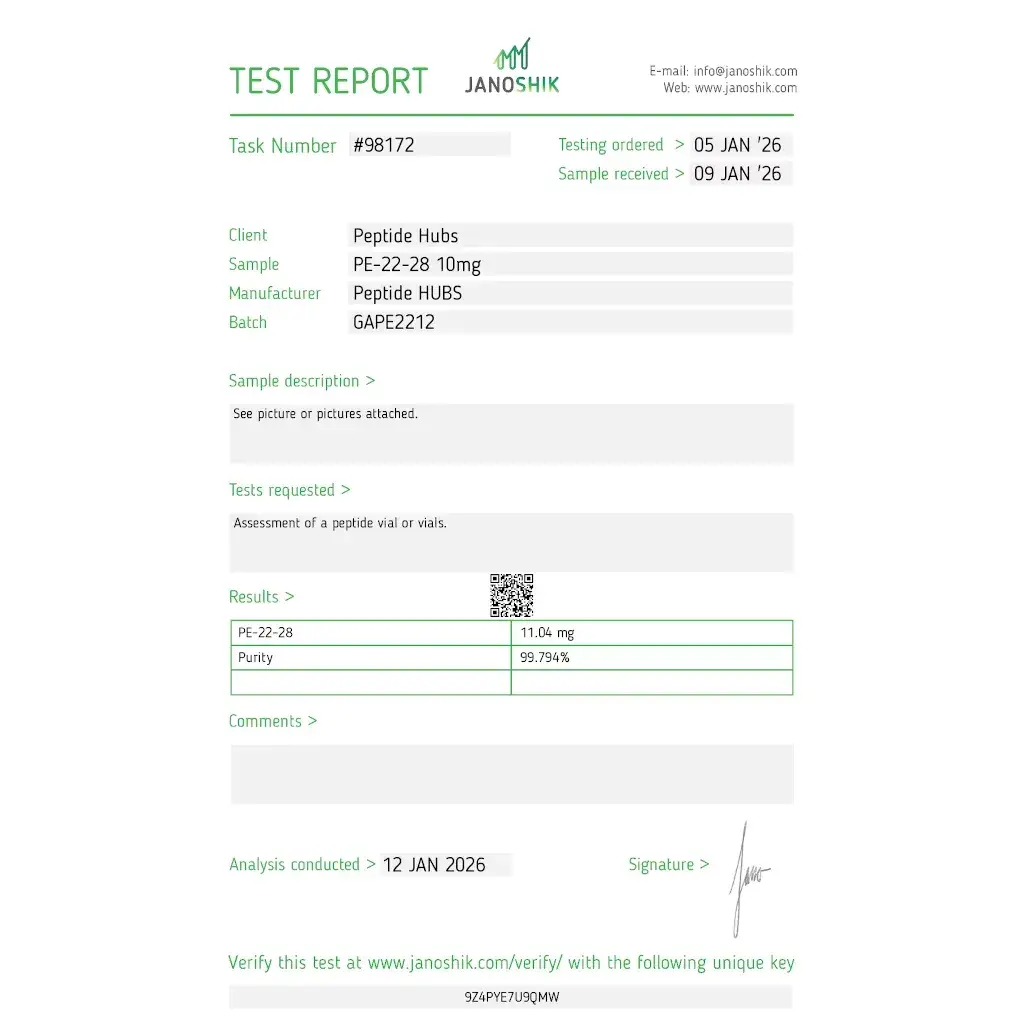
Laboratory Tested: View Lab Result
USA Domestic: 2-7 Days Delivery
International: 5-20 Days Delivery
PE 22-28 by Peptide Hubs is a sophisticated research peptide derived from the C-terminal fragment of pituitary adenylyl cyclase-activating polypeptide (PACAP 1–38), presented as a 10 mg lyophilized powder in a sterile 2 mL vial. This specific heptapeptide sequence (Gly-Ile-Ala-Gly-Ala-Ser-Asp-Arg) represents a strategically truncated analog that maintains significant biological activity while offering enhanced stability and research utility compared to the full-length PACAP molecule. Independently verified at 11.04 mg content (110.4% purity), this pharmaceutical-grade PE 22-28 provides researchers with a precisely quantified tool for investigating neuropeptide signaling, synaptic plasticity, and neuroprotective mechanisms in controlled experimental systems.
Each vial contains 10 mg of high-purity PE 22-28 peptide with the following specifications:
The strategic truncation to residues 22-28 represents a critical optimization for research applications, preserving the essential receptor-binding region while eliminating portions responsible for rapid degradation in biological systems.
PE 22-28 serves as a valuable tool for multiple neuroscience and neurobiology research domains:
While this product is for research use only, scientific literature establishes PE 22-28's investigational significance. According to research published in The Journal of Neuroscience, PACAP and its active fragments modulate synaptic plasticity through cAMP-dependent mechanisms that influence learning and memory processes. Further investigation in Neuropsychopharmacology demonstrated that PACAP signaling affects stress response pathways and may influence anxiety-related behaviors in animal models. The strategic truncation to PE 22-28 represents an important research advancement, as studies indicate this fragment retains significant biological activity while offering improved pharmacokinetic properties compared to full-length PACAP. These scientific foundations establish PE 22-28 as a valuable tool for investigating neuropeptide signaling, neural plasticity, and neuroprotection mechanisms.
Important: The following information is derived from published research and should only guide experimental design in appropriate research models. Always consult institutional protocols.
PE 22-28 exhibits pharmacokinetic properties optimized for neuroscience research:
Researchers should monitor for biological responses consistent with PACAP receptor activation:
This product is for laboratory research use only. Researchers should:
Administration significantly above established research parameters may produce exaggerated neurological effects including seizures, altered consciousness, or autonomic dysregulation that could compromise animal welfare and study validity. Researchers working with direct CNS administration should establish careful dose-escalation protocols and implement continuous neurological monitoring. Emergency procedures should include capabilities for seizure management, respiratory support, and intensive care for research models experiencing neurological adverse effects.
For advanced neuroscience investigations, PE 22-28 may be studied alongside other Peptide Hubs products in controlled experimental designs:
These neuroscience research combinations should only be conducted by qualified investigators with appropriate expertise, following rigorous experimental designs, ethical guidelines, and institutional approvals specific to neurological research.
Each PE 22-28 research unit features packaging optimized for neuroscience applications:
PE 22-28 requires specific storage conditions to maintain activity for neuroscience research:
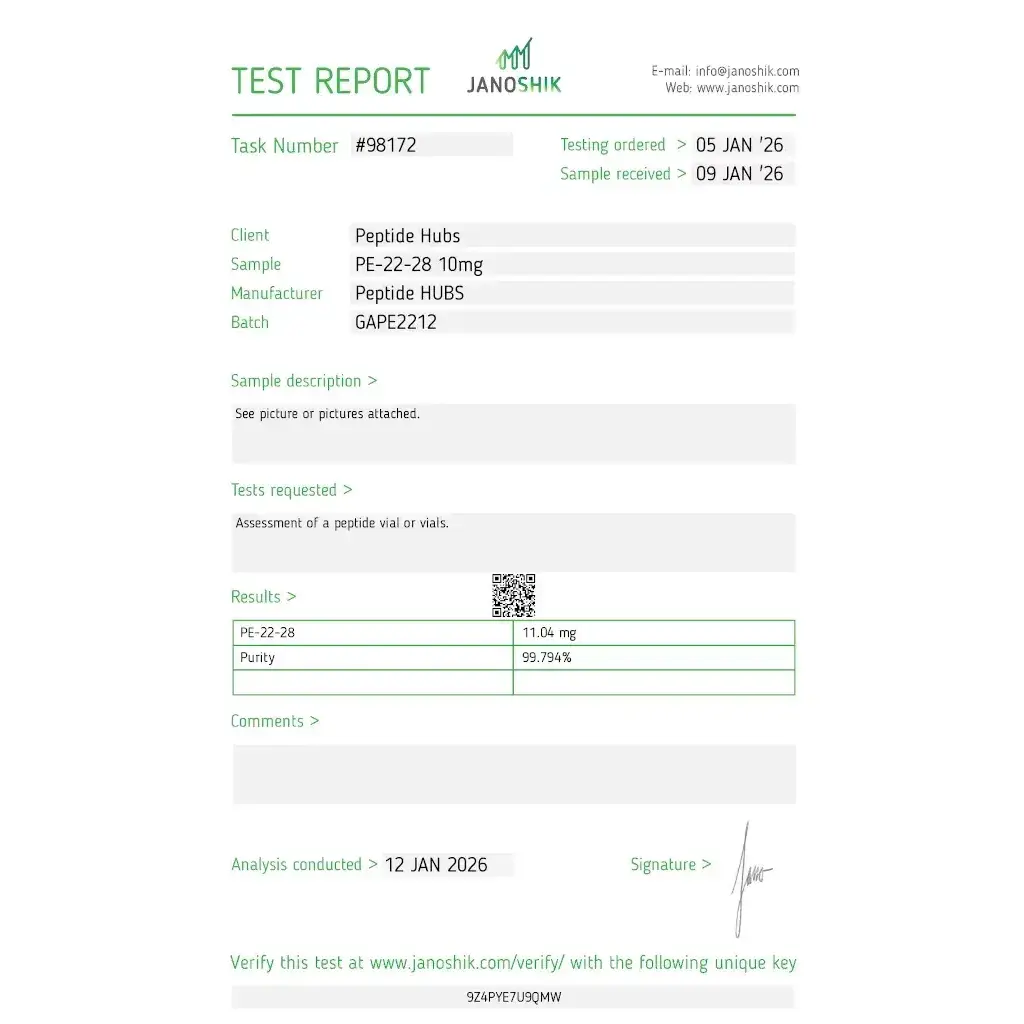
The availability of high-purity PE 22-28 represents a significant advancement for contemporary neuroscience research. As a strategically truncated PACAP fragment, it offers unique advantages for investigating neuropeptide signaling while addressing limitations of full-length PACAP related to stability and specificity. The January 12, 2026 laboratory verification showing 11.04 mg content (110.4% purity) in the 10 mg vial demonstrates exceptional manufacturing precision for this neuroactive peptide. This quality assurance is particularly critical for neuroscience research where precise dosing directly influences experimental outcomes and interpretation. PE 22-28 enables researchers to dissect specific aspects of PACAP signaling without confounding effects from other receptor interactions present in the full-length molecule. By focusing research on this defined fragment, scientists can more precisely investigate structure-activity relationships, downstream signaling mechanisms, and therapeutic potential of PACAP-derived compounds. The product's availability through Peptide Hubs, with verified purity and accurate dosing, supports rigorous neuroscience investigation into fundamental mechanisms of synaptic plasticity, neuroprotection, and neural circuit regulation that have broad implications for understanding brain function and neurological disorders.
The independent laboratory analysis conducted on January 12, 2026, confirms the PE 22-28 vial contains 11.04 mg of active peptide content against the labeled 10 mg, representing a 110.4% purity rating that exceeds standard quality specifications. This exceptional verification ensures neuroscience researchers receive accurately dosed materials for investigations into neuropeptide signaling, synaptic plasticity, and neuroprotective mechanisms requiring precise quantification of active compound.
PE 22-28 functions primarily as a selective agonist for the PAC1 receptor, a class B G-protein coupled receptor highly expressed in the nervous system. Upon binding, it activates adenylate cyclase leading to increased intracellular cAMP levels, which subsequently activates protein kinase A (PKA) and phosphorylates cAMP response element-binding protein (CREB). This signaling cascade modulates gene expression involved in neuronal survival, synaptic plasticity, and neuroprotection. Unlike full-length PACAP which also activates VPAC receptors, PE 22-28's truncated structure provides more selective PAC1 activation, making it valuable for dissecting specific aspects of PACAP signaling in research models.
PE 22-28 offers several research advantages: 1) Enhanced metabolic stability due to elimination of protease cleavage sites present in full-length PACAP; 2) More selective PAC1 receptor activation with reduced VPAC receptor activity; 3) Simplified structure allowing clearer structure-activity relationship studies; 4) Improved pharmacokinetic properties for certain administration routes; 5) Reduced potential for receptor desensitization with repeated administration in some models. While full-length PACAP may be preferable for studies requiring native peptide actions, PE 22-28 is superior for investigations focusing specifically on PAC1-mediated effects or requiring enhanced stability in experimental systems.
Research utilizes several administration routes: 1) Intracerebroventricular (ICV) for direct CNS delivery and maximal brain exposure; 2) Intranasal for non-invasive brain targeting via olfactory and trigeminal pathways; 3) Intravenous for systemic effects and peripheral nervous system studies; 4) Subcutaneous for sustained delivery investigations; 5) Local application in brain slice preparations for electrophysiological studies. Route selection depends on research goals: ICV for maximal brain effects, intranasal for translational non-invasive approaches, systemic routes for peripheral actions or whole-organism studies. Each route requires specific dose adjustments and validation in target systems.
Store at -20°C (-4°F) in original amber packaging; -80°C (-112°F) for long-term storage. Absolute light protection is essential—work under subdued lighting. Once reconstituted, use immediately for neuroscience experiments; do not store reconstituted solution. If absolutely necessary, store at 2-8°C (36-46°F) for no more than 4 hours. Avoid freeze-thaw cycles; aliquot if multiple uses are anticipated. Properly stored lyophilized powder maintains stability for 18 months. For critical neuroscience studies requiring precise activity, verify biological activity in pilot assays rather than relying solely on mass-based calculations after extended storage.
Common research endpoints include: 1) Cellular signaling (cAMP accumulation, CREB phosphorylation, immediate early gene expression); 2) Neurophysiological measures (synaptic transmission, long-term potentiation/depression, neuronal excitability); 3) Behavioral outcomes (learning/memory performance, anxiety-like behaviors, stress responses); 4) Neurochemical changes (neurotransmitter release, neurotrophin expression, neuroinflammatory markers); 5) Neuroprotection metrics (neuronal survival in injury models, oxidative stress markers, synaptic recovery); 6) Metabolic effects in neuroscience contexts (food intake, energy expenditure, glucose homeostasis). Endpoint selection should align with specific research questions and utilize validated assays appropriate for the experimental model.
Please log in to write PE 22-28 10 mg review.
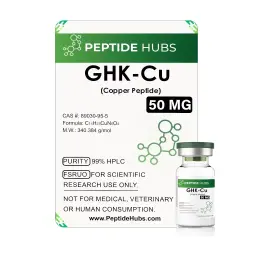
Copper Peptide Complex
Active Substance: GHK-Cu (Glycyl-L-Histidyl-L-Lysine Copper Complex)
Manufacturer: Peptide Hubs
Unit: 2 mL Vial (50 mg/vial)
Form: Lyophilized Powder
Laboratory Tested: View Lab Result
USA Domestic: 2-7 Days Delivery
International: 5-20 Days Delivery
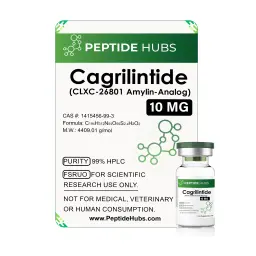
Research Peptide/GLP-1 & Amylin Agonist
Active Substance: Cagrilintide
Manufacturer: Peptide Hubs
Unit: 2 mL Vial (10 mg/vial)
Form: Lyophilized Powder
Laboratory Tested: View Lab Result
USA Domestic: 2-7 Days Delivery
International: 5-20 Days Delivery
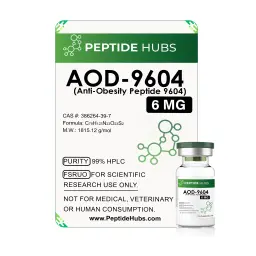
Research Peptide/Growth Hormone Fragment
Active Substance: AOD 9604
Manufacturer: Peptide Hubs
Unit: 2 mL Vial (5 mg/vial)
Form: Lyophilized Powder
USA Domestic: 2-7 Days Delivery
International: 5-20 Days Delivery
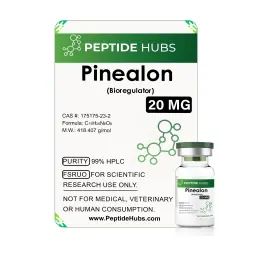
Synthetic Tripeptide
Active Substance: Pinealon (Glu-Asp-Arg)
Brand: Peptide Hubs
Unit: 2 mL Vial (20 mg/vial)
Form: Lyophilized Powder
USA Domestic: 2-7 Days Delivery
International: 5-20 Days Delivery
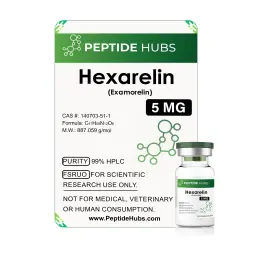
Growth Hormone Releasing Peptide
Active Substance: Examorelin (Hexarelin)
Manufacturer: Peptide Hubs
Unit: 2 mL Vial (5 mg/vial)
Form: Lyophilized Powder
Laboratory Tested: View Lab Result
USA Domestic: 2-7 Days Delivery
International: 5-20 Days Delivery
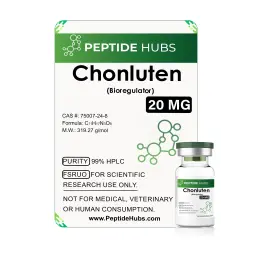
Research Peptide/Lung Bioregulator
Active Substance: Chonluten
Manufacturer: Peptide Hubs
Unit: 2 mL Vial (20 mg/vial)
Form: Lyophilized Powder
Laboratory Tested: View Lab Result
USA Domestic: 2-7 Days Delivery
International: 5-20 Days Delivery